

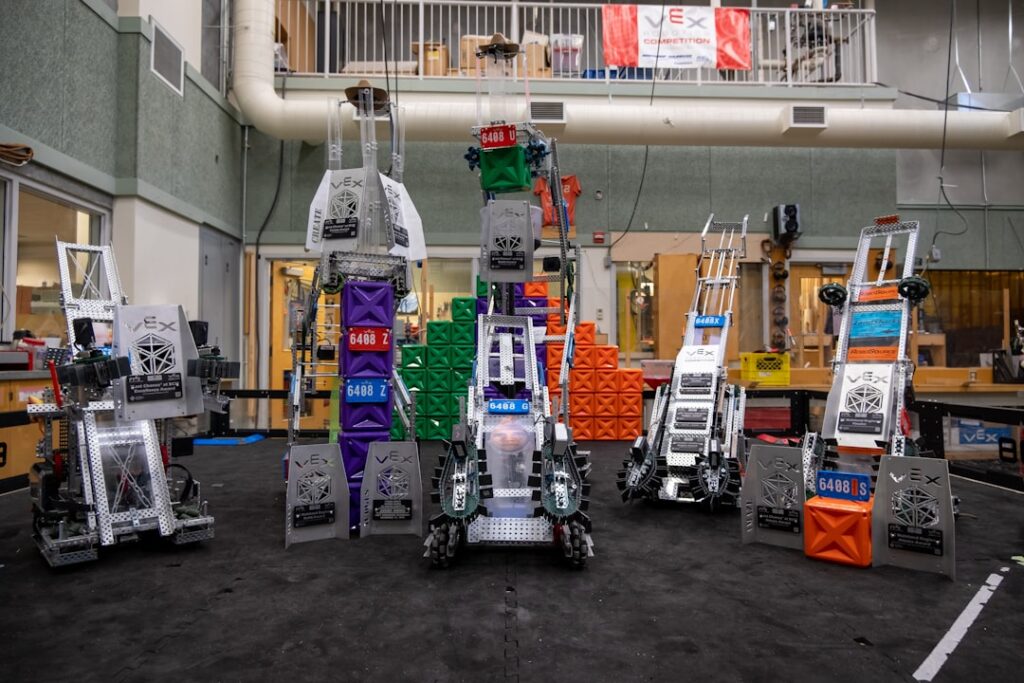
The field of robotics is undergoing a significant transformation, driven by advancements in both material science and biological understanding. This shift, often termed the “Robotics Revolution,” is increasingly characterized by the development of soft robots and the application of bio-inspired design principles. Unlike conventional rigid robots, which are typically constructed from metals and hard plastics, soft robots utilize compliant materials, offering new capabilities and presenting novel challenges. Bio-inspired design, conversely, draws upon the evolutionary successes observed in living organisms to inform robotic function and structure. This convergence is leading to robots that are more adaptable, safer for human interaction, and capable of operating in environments previously inaccessible to their rigid counterparts.
Soft robotics represents a distinct departure from traditional robotic paradigms. Instead of relying on articulated joints and rigid linkages, soft robots deform their entire bodies to achieve movement and interaction. This inherent compliance offers a unique set of advantages and necessitates different engineering approaches.
Materials and Fabrication Techniques
The development of soft robots is intrinsically linked to the availability of new materials and sophisticated fabrication methods. Elastomers, such as silicone and rubber, are primary constituents, providing the necessary flexibility and resilience.
Elastomers and Composites
Silicones and polyurethanes are commonly employed due to their tunable mechanical properties, biocompatibility, and ease of processing. Researchers are also exploring advanced composites that combine soft matrices with embedded functional elements, such as stretchable sensors or conductive pathways. This allows for the integration of sensing and actuation directly into the robot’s structure, eliminating the need for rigid external components.
Additive Manufacturing
3D printing, particularly techniques like direct ink writing and stereolithography, has become instrumental in soft robot fabrication. These methods allow for the creation of complex three-dimensional structures with intricate internal channels, essential for pneumatic or hydraulic actuation. Multi-material printing further enhances capabilities, enabling the layering of different soft and sometimes rigid materials within a single fabrication process. This precise control over material placement is crucial for defining the robot’s deformation characteristics.
Actuation Principles in Soft Robotics
Unlike rigid robots that often rely on electric motors and gears, soft robots employ a diverse range of actuation methods that capitalize on their compliant nature.
Pneumatic and Hydraulic Actuators
Fluidic power, either air (pneumatics) or liquid (hydraulics), is a prevalent actuation method. Internal channels within the soft robot are pressurized, causing specific sections to expand, contract, or bend. This approach is highly effective for generating significant forces and large deformations, akin to a balloon inflating and changing shape. However, it requires an external pump or compressor, which can be a limiting factor in terms of robot autonomy and miniaturization.
Shape Memory Alloys and Polymers
Shape memory materials, such as shape memory alloys (SMAs) and shape memory polymers (SMPs), offer an alternative. These materials can be programmed to remember a specific shape and revert to it upon the application of a stimulus, such as heat or an electrical current. This allows for compact and untethered actuation, although often with slower response times compared to fluidic systems.
Electroactive Polymers
Electroactive polymers (EAPs) are materials that change shape or size when stimulated by an electric field. While still largely in the research phase, EAPs hold significant promise for soft robotics due as they can directly convert electrical energy into mechanical work, potentially leading to more compact and efficient actuators.
In exploring the fascinating developments in the field of robotics, particularly in soft robotics and bio-inspired design, one can gain further insights by reading the article “The Future of Robotics: Merging Nature and Technology.” This article delves into how advancements in soft robotics are influenced by natural organisms, highlighting innovative designs and applications that mimic biological systems. For more information, you can visit the article [here](https://brainng.one/contact-us/).
Bio-Inspired Design Principles
The natural world is an inexhaustible source of engineering solutions. Bio-inspired design, or biomimetics, seeks to translate these biological strategies into robotic systems, endowing them with enhanced performance and robustness.
Locomotion and Manipulation
Animals exhibit a remarkable diversity of locomotion and manipulation strategies that are proving invaluable for robotic design.
Terrestrial Locomotion
Observe a gecko scaling a wall or an inchworm navigating uneven terrain. These animals employ compliant structures and clever gaits to move efficiently across complex surfaces. Soft robots are drawing inspiration from such examples to develop robots capable of traversing challenging environments, from rough industrial landscapes to the interior of the human body. The compliant nature of soft robots allows them to deform and conform to irregular surfaces, providing increased contact area and improved traction, similar to how a snake slithers through tight spaces.
Aquatic and Aerial Robotics
The elegance and efficiency of fish swimming or birds flying offer blueprints for robots operating in fluidic environments. Soft aquatic robots, often resembling jellyfish or manta rays, can subtly manipulate water flow for propulsion and control. Similarly, soft-winged micro air vehicles are being developed, aiming to replicate the agile flight of insects. The inherent compliance of these designs can contribute to improved maneuverability and fault tolerance in dynamic fluid environments.
Sensing and Adaptation
Biological organisms are adept at sensing their surroundings and adapting their behavior accordingly. Replicating these capabilities in robots is a central goal of bio-inspired design.
Distributed Sensing
Consider the skin of a human, rich with touch receptors that provide detailed information about texture, pressure, and temperature. Soft robots are increasingly being equipped with distributed arrays of flexible sensors that mimic this biological capability. These sensors can detect subtle environmental cues, enabling the robot to interact more safely and intelligently with its surroundings. The integration of these compliant sensors directly into the soft material of the robot minimizes rigid components and preserves the overall flexibility.
Self-Healing Materials
Nature’s capacity for self-repair is a compelling area of research for robotics. Imagine a robot that could autonomously mend a tear in its skin or repair a damaged component. Researchers are developing self-healing polymers that can autonomously restore their mechanical integrity after damage, significantly extending the operational lifespan of soft robots and reducing maintenance requirements. This mimics the body’s ability to heal wounds, allowing for continued operation even after minor damage.
Applications Across Diverse Sectors
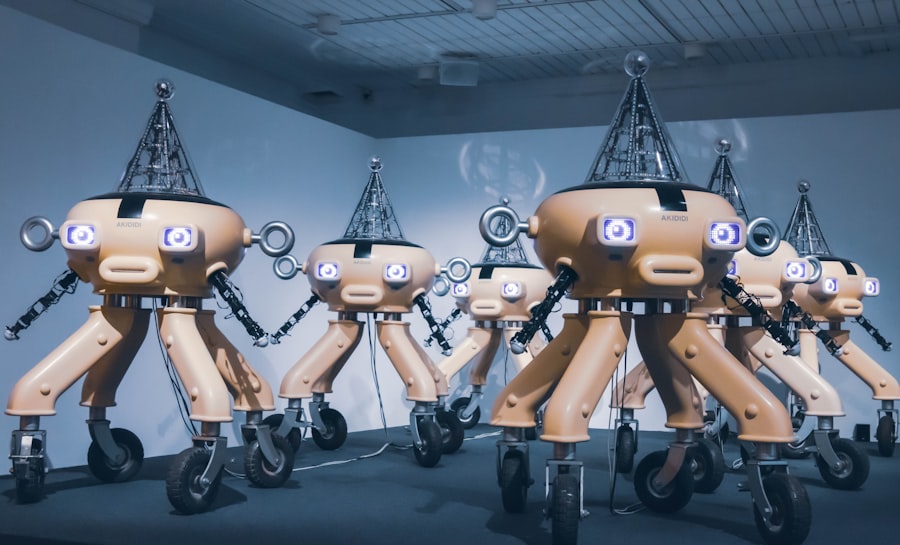
The advancements in soft robotics and bio-inspired design are opening doors to applications that were previously impractical or impossible for rigid robots.
Human-Robot Interaction
The inherent safety of soft robots makes them ideal candidates for direct interaction with humans, a crucial aspect of future automation.
Collaborative Robotics
In manufacturing settings, soft robots can work alongside human operators without the need for extensive safety cages. Their compliant nature minimizes the risk of injury in the event of an accidental collision, creating a more symbiotic work environment. This is like a gentle hand working alongside a human, rather than a rigid, potentially dangerous machine.
Wearable Robotics and Exoskeletons
Soft robotic garments and exoskeletons are being developed to assist elderly individuals, aid in rehabilitation, or augment human capabilities. These devices are lightweight, comfortable, and conform to the body, providing support without restricting natural movement. This could allow for increased mobility and independence for individuals with physical limitations.
Medical and Surgical Robotics
The flexibility and small form factors achievable with soft robotics are particularly advantageous in healthcare.
Minimally Invasive Surgery
Soft catheters and endoscopic robots can navigate complex anatomical pathways within the human body with reduced risk of tissue damage. Their ability to bend and twist allows for precise manipulation in confined spaces, leading to less traumatic surgical procedures and faster patient recovery. Think of a tiny snake maneuvering through intricate passages, rather than a rigid rod.
Drug Delivery and Diagnostics
Micro-scale soft robots are being investigated for targeted drug delivery to specific cells or tissues, and for performing in-situ diagnostics within the body. These tiny robots could revolutionize the treatment of diseases by delivering therapies directly where they are needed, minimizing systemic side effects.
Exploration and Environmental Monitoring
Soft robots are well-suited for exploration in unstructured and challenging environments, both on Earth and beyond.
Search and Rescue
Robots capable of squeezing through rubble or navigating collapsed structures can assist in search and rescue operations after disasters. Their compliance allows them to adapt to rapidly changing environments and access areas inaccessible to human rescuers. Consider a flexible probe that can worm its way through debris to locate survivors.
Deep-Sea Exploration
The immense pressures and unique challenges of the deep-sea environment are well-suited for soft robots. Their inherent compliance can withstand extreme pressures, and bio-inspired designs can enable more efficient movement through water. These robots could unlock new discoveries about marine ecosystems and geological formations.
Challenges and Future Directions
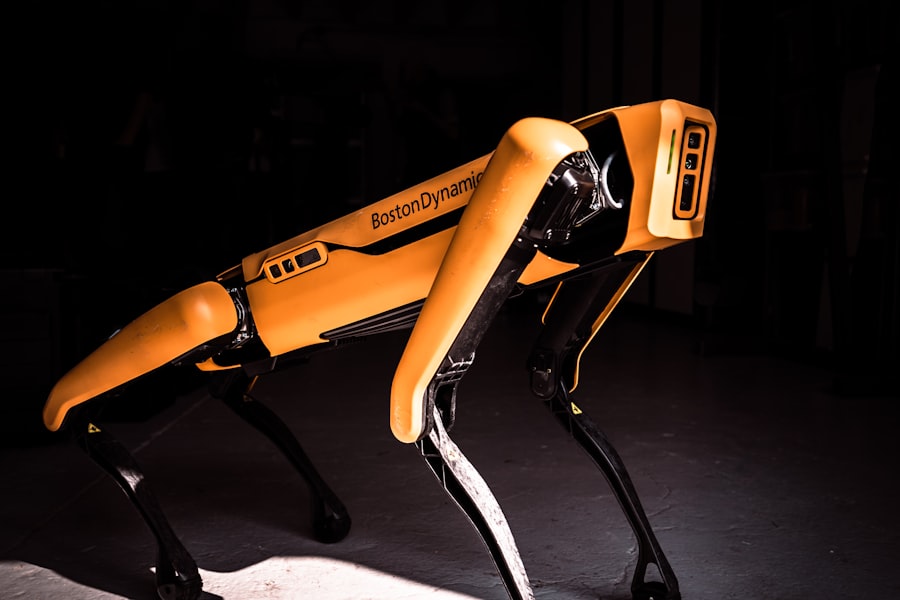
Despite significant progress, the field of soft robotics and bio-inspired design faces ongoing challenges that require continued research and innovation.
Control and Modeling
Controlling soft robots is inherently more complex than controlling rigid robots. The infinite degrees of freedom and nonlinear interactions between the robot’s body and its environment make precise movement and force control difficult. Developing accurate computational models that can predict and simulate the behavior of soft robots is crucial for advancing their capabilities. This is like trying to precisely control a constantly shifting cloud rather than a rigid lever.
Energy and Power Systems
Many current soft robotic systems require external pumps or power sources, limiting their autonomy and scalability. Developing compact, lightweight, and efficient onboard power sources and actuation mechanisms is essential for widespread adoption. This involves miniaturizing pumps, improving the energy density of batteries, and exploring alternative power harvesting methods.
Integration of Intelligence
For soft robots to reach their full potential, they need to be equipped with higher levels of intelligence. This includes advanced sensing, real-time data processing, machine learning for adaptive control, and the ability to make autonomous decisions in unstructured environments. The seamless integration of these cognitive capabilities into compliant robotic systems remains a significant challenge.
In conclusion, the convergence of soft robotics and bio-inspired design is reshaping the landscape of automation. By embracing compliance and learning from nature’s ingenuity, researchers are creating robots that are more adaptable, safer, and capable of addressing complex problems across a multitude of domains. While significant challenges remain, the trajectory of this revolution points toward a future where robots seamlessly integrate into human society and venture into frontiers previously considered beyond reach.