

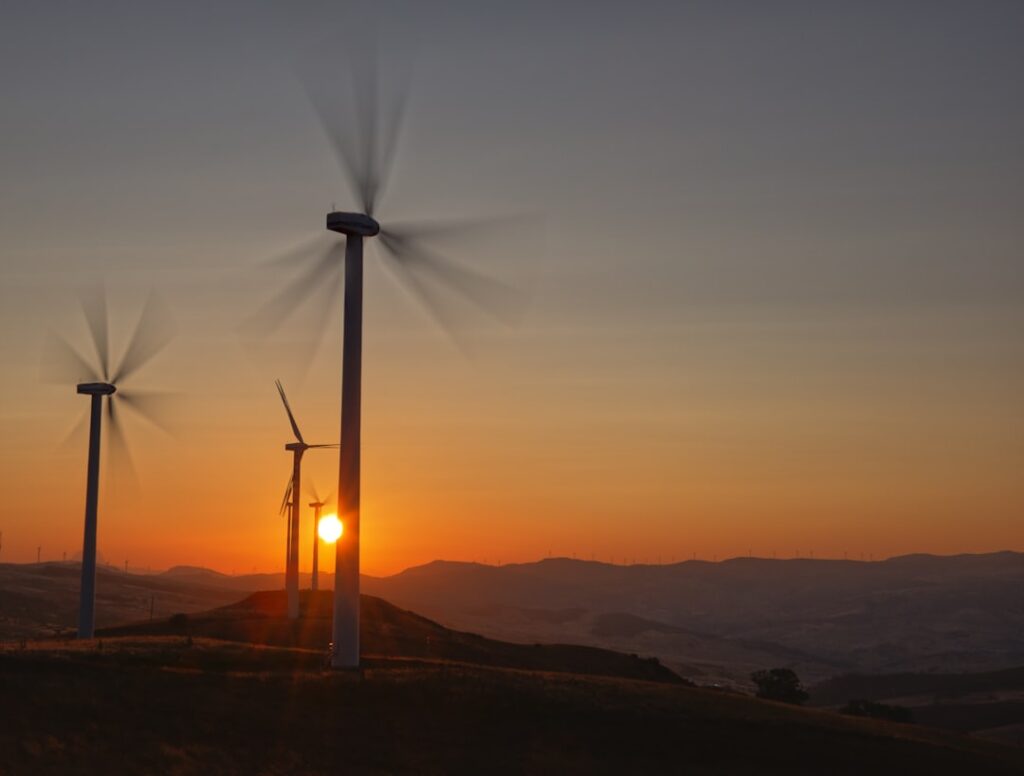
This article explores the application of artificial intelligence (AI) in optimizing renewable energy grids. The integration of AI is becoming increasingly vital as renewable energy sources, such as solar and wind power, become more prevalent in the global energy mix. These sources, by their very nature, exhibit variability and intermittency, posing challenges to grid stability and reliability. AI offers a powerful toolkit to address these complexities, transforming how we manage and utilize renewable energy.
The transition to a sustainable energy future hinges on the widespread adoption of renewable energy sources. However, this shift is not without its hurdles. Unlike traditional fossil fuel power plants, which can be dispatched on demand to meet fluctuating electricity needs, renewable sources are subject to environmental conditions. The sun does not always shine, and the wind does not always blow. This inherent unpredictability, known as intermittency, creates a fundamental mismatch between supply and demand.
Variability and Intermittency of Renewable Sources
The output of solar photovoltaic (PV) systems fluctuates throughout the day, influenced by cloud cover, time of year, and the angle of incident sunlight. Similarly, wind turbine power generation is directly dependent on wind speed, which can vary significantly from minute to minute and hour to hour. This variability means that grid operators must be able to instantaneously adjust the supply of electricity to match demand, a task that becomes significantly more complex when the primary sources of generation are themselves unpredictable. This is akin to trying to conduct an orchestra where the musicians only play when they feel inspired, rather than on cue.
Grid Stability and Reliability Concerns
Maintaining grid stability and reliability requires a constant balance between electricity generation and consumption. Deviations from this balance can lead to voltage fluctuations, frequency deviations, and even blackouts. As the proportion of intermittent renewable energy in the grid increases, the potential for these imbalances grows. Grid operators have traditionally relied on dispatchable fossil fuel plants to act as a buffer, ramping up or down their output to compensate for fluctuations. However, with a growing reliance on renewables, this traditional balancing mechanism becomes less viable and less environmentally sound. The aging infrastructure of many grids was not designed for the bidirectional power flows and rapid fluctuations introduced by distributed renewable generation.
The Need for Advanced Grid Management
The existing grid management systems, often built on decades-old infrastructure and manual oversight, are ill-equipped to handle the dynamic nature of a renewable-heavy grid. They often operate with significant latency, providing data after critical events have already occurred. This necessitates a move towards more sophisticated, proactive, and adaptive management strategies. The challenge is to make the grid behave like a finely tuned, responsive organism, rather than a rigid, reactive system. This requires real-time data analysis, predictive capabilities, and automated decision-making processes.
In exploring the intersection of technology and sustainability, a related article titled “Innovative Approaches to Sustainable Tech Solutions” delves into various strategies for enhancing the efficiency of renewable energy systems. This piece highlights how advancements in artificial intelligence can play a pivotal role in optimizing energy grids, thereby reducing waste and improving overall energy management. For more insights on sustainable technology and its applications, you can read the article here: Innovative Approaches to Sustainable Tech Solutions.
AI’s Role in Predictive Forecasting
One of the most significant contributions of AI to renewable energy grids lies in its ability to generate highly accurate forecasts. By analyzing vast datasets, AI algorithms can predict the output of renewable energy sources with unprecedented precision, allowing grid operators to prepare for future supply conditions.
Machine Learning for Solar and Wind Power Prediction
Machine learning (ML) algorithms, such as deep neural networks and recurrent neural networks (RNNs), are particularly well-suited for time-series forecasting. These models can learn complex patterns and dependencies from historical weather data, satellite imagery, and sensor readings from renewable energy installations. For solar forecasting, AI can analyze cloud cover patterns, humidity, temperature, and solar irradiance to predict the exact amount of electricity a solar farm will generate at any given time. Similarly, for wind energy, AI can consider wind speed, wind direction, topography, and turbine performance characteristics to forecast power output. This is like having a highly accurate weather report, not just for the next day, but for the next hour, minute, and even second.
Incorporating Weather and Environmental Data
The accuracy of AI-powered forecasts is directly proportional to the quality and comprehensiveness of the data fed into the models. AI systems actively integrate a wide array of data sources, including:
- Historical weather data: Decades of temperature, precipitation, humidity, and wind patterns.
- Real-time weather observations: Data from local weather stations, radar, and satellite imagery.
- Geographic information systems (GIS): Topographical data influencing wind flow and solar exposure.
- Sensor data from renewable assets: Performance metrics from individual solar panels and wind turbines, including maintenance logs.
- Grid load data: Historical and real-time electricity consumption patterns.
By fusing these diverse data streams, AI creates a holistic picture of both supply and demand, enabling more informed operational decisions.
Probabilistic Forecasting for Uncertainty Management
Beyond point forecasts, AI can also provide probabilistic forecasts. This means that instead of just predicting a single output value, AI can estimate the range of possible outcomes and their likelihood. For example, an AI might predict a 70% chance of 100 MW of solar power being generated, with a 20% chance of 80 MW and a 10% chance of 120 MW. This probabilistic approach is crucial for managing the inherent uncertainty in renewable energy generation. It allows grid operators to develop contingency plans and optimize resource allocation based on the most probable scenarios while being prepared for less likely, but still possible, outcomes.
AI-Driven Grid Optimization and Control

With accurate forecasts in hand, AI can then be employed to actively optimize the operation of the renewable energy grid. This involves making intelligent decisions about how to dispatch energy, manage storage, and balance supply and demand in real-time.
Real-time Generation and Demand Balancing
AI algorithms continuously monitor the grid in real-time. When discrepancies arise between predicted generation and actual demand, or when unexpected fluctuations occur, AI can initiate immediate corrective actions. This might involve:
- Ramping up or down the output of energy storage systems: Batteries can absorb excess renewable energy or release stored power to meet demand.
- Adjusting the output of flexible conventional generators: While the goal is to minimize reliance on fossil fuels, they still play a role in grid stability. AI can optimize their dispatch to be as efficient and low-emission as possible.
- Managing demand-side response (DSR) programs: AI can signal to consumers to reduce their electricity consumption during peak demand periods or when renewable generation is low. This is like having a conductor who can subtly guide the audience to sing louder or softer to harmonize with the orchestra.
Optimal Dispatch of Energy Storage Systems
Energy storage systems, particularly batteries, are a cornerstone of a stable renewable energy grid. AI plays a critical role in optimizing their operation. AI algorithms determine the optimal times to charge and discharge batteries based on:
- Predicted renewable energy generation: Charging when generation is high and prices are low.
- Predicted electricity demand: Discharging when demand is high and prices are high, or when renewable generation is insufficient.
- Grid frequency and voltage stability: Using batteries to smooth out fluctuations and maintain grid parameters within acceptable limits.
- Market prices: Arbitraging electricity prices by buying low and selling high.
This intelligent management ensures that energy storage acts as a flexible buffer, maximizing the utilization of renewable energy and minimizing the need for fossil fuel backup.
Predictive Maintenance of Renewable Assets
Beyond optimizing grid operations, AI also contributes to the proactive maintenance of renewable energy infrastructure. By analyzing sensor data from wind turbines, solar panels, and associated equipment, AI can identify potential issues before they lead to failures.
- Vibration analysis: Detecting anomalies in turbine gearboxes or bearings.
- Thermal imaging: Identifying hot spots in solar panels that indicate degradation or faulty connections.
- Performance monitoring: Spotting deviations from expected power output that may signal a problem.
This predictive maintenance approach minimizes downtime, reduces repair costs, and ensures that renewable energy assets operate at their peak efficiency. It is akin to a doctor who can diagnose an illness before symptoms become severe.
Enhancing Grid Stability with AI-Powered Control Systems
AI-powered control systems offer a significant upgrade over traditional grid control methods. These systems can make split-second decisions and adapt to rapidly changing conditions, far exceeding human capabilities.
- Automated fault detection and isolation: Quickly identifying and isolating faults to prevent cascading failures.
- Dynamic voltage and frequency regulation: Actively adjusting grid parameters to maintain stability.
- Reconfiguration of the grid topology: In case of large-scale outages, AI can help reconfigure power flows to minimize disruption.
These advanced control mechanisms are essential for a grid that can reliably integrate high penetrations of variable renewable energy.
Addressing Grid Congestion and Congestion Management
As more renewable energy sources come online, particularly in geographically concentrated areas, grid congestion can become a significant issue. AI offers sophisticated solutions to manage and alleviate this congestion.
Identifying and Predicting Congestion Hotspots
AI algorithms can analyze real-time grid loading data, transmission line capacities, and predicted generation patterns to identify areas prone to congestion. By understanding the flow of electricity across the network, AI can pinpoint where bottlenecks are likely to occur. This predictive capability allows grid operators to take proactive measures rather than reacting to congestion after it has developed.
AI-Assisted Congestion Relief Strategies
When congestion is anticipated or detected, AI can recommend and even automate various relief strategies:
- Load shedding or shifting: AI can work with DSR programs to encourage consumers to reduce demand in congested areas or shift their consumption to less congested times.
- Optimizing redispatch: AI can determine the most cost-effective way to adjust the output of generators across the wider grid to alleviate local congestion. This might involve curtailing renewable generation in one area if it can be replaced by less curtailed generation elsewhere at a lower cost.
- Utilizing energy storage: AI can direct energy storage systems to absorb excess power in congested areas or inject power to meet demand, thereby reducing the need for transmission.
- Dynamic line rating (DLR): AI can use real-time weather data to estimate the actual capacity of transmission lines, which can fluctuate due to temperature. This allows for more efficient use of transmission lines by increasing their effective capacity when conditions permit.
The Role of AI in Smart Grid Technologies
The integration of AI with smart grid technologies is crucial for effective congestion management. Smart grids employ advanced sensing, communication, and control capabilities throughout the electricity network. AI acts as the “brain” of the smart grid, processing the vast amounts of data generated by these technologies to make intelligent decisions. This synergy allows for a more granular and responsive management of power flows, which is essential for overcoming congestion challenges.
In exploring the advancements in sustainable technology, a particularly insightful article discusses the role of AI in optimizing renewable energy grids. This piece highlights how artificial intelligence can enhance efficiency and reliability in energy distribution, ultimately supporting a greener future. For those interested in delving deeper into this topic, you can read more about it in the related article on sustainable tech solutions found here.
Cybersecurity and AI in Renewable Energy Grids
| Metric | Description | Value | Unit | Impact on Renewable Energy Grids |
|---|---|---|---|---|
| Energy Forecast Accuracy | Precision of AI models in predicting renewable energy generation | 92 | Percent (%) | Improves grid stability and reduces energy waste |
| Grid Load Balancing Efficiency | Effectiveness of AI in distributing energy loads evenly | 85 | Percent (%) | Enhances reliability and prevents overloads |
| Reduction in Energy Curtailment | Decrease in wasted renewable energy due to grid constraints | 30 | Percent (%) | Maximizes renewable energy utilization |
| Response Time to Grid Fluctuations | Time taken by AI systems to react to changes in energy supply/demand | 5 | Seconds | Minimizes blackouts and power quality issues |
| Carbon Emission Reduction | Decrease in CO2 emissions due to optimized grid management | 15 | Percent (%) | Supports environmental sustainability goals |
| Cost Savings in Grid Operation | Reduction in operational costs through AI optimization | 20 | Percent (%) | Enables more affordable renewable energy integration |
The increasing reliance on digital technologies and interconnected systems within renewable energy grids also brings heightened cybersecurity risks. AI can play a dual role in this domain: both as a target and as a defender.
Vulnerabilities of Connected Renewable Energy Systems
Renewable energy systems, from individual smart meters to large-scale grid control centers, are increasingly connected to the internet and communicate with each other. This interconnectedness, while enabling efficiency, also creates new avenues for cyberattacks. A successful attack could disrupt electricity supply, compromise sensitive data, or even damage critical infrastructure. The distributed nature of some renewable assets can also present a larger attack surface.
AI for Threat detection and Prevention
AI algorithms can be trained to identify anomalous patterns in network traffic and system behavior that may indicate a cyberattack. By learning the “normal” operational patterns of a grid, AI can quickly flag deviations that suggest malicious activity.
- Intrusion detection systems (IDS) powered by AI: These systems can analyze data packets and logs to detect unauthorized access or malicious code.
- Behavioral analytics: AI can monitor user and system behavior to identify suspicious activities that do not conform to established norms.
- Predictive defense: AI can analyze emerging threat intelligence to anticipate potential attack vectors and implement preemptive security measures. This proactive approach is crucial in staying ahead of evolving cyber threats.
Securing AI Models Themselves
As AI becomes more integral to grid operations, securing the AI models themselves becomes paramount. Malicious actors could attempt to poison the training data of AI algorithms, manipulate their outputs, or compromise the underlying AI infrastructure. Therefore, robust cybersecurity measures must be applied to:
- Ensure the integrity of training data: Implementing strict validation and verification processes.
- Protect AI models from adversarial attacks: Developing techniques to make AI models more resilient to manipulation.
- Secure the AI deployment environment: Implementing strong access controls and network segmentation.
This arms race between attackers and defenders in the cybersecurity landscape necessitates continuous innovation, with AI itself being a crucial tool for defense.
In the pursuit of innovative approaches to enhance energy efficiency, the article on Sustainable Tech Solutions delves into the transformative role of AI in optimizing renewable energy grids. By leveraging advanced algorithms and data analytics, AI can significantly improve the management of energy distribution, ensuring a more reliable and sustainable power supply. This integration not only maximizes the use of renewable resources but also paves the way for a greener future.
The Future of AI in Renewable Energy Grids
The evolution of AI in renewable energy grids is an ongoing process, with significant potential for further advancements and broader implementation. As AI technologies mature and become more accessible, their impact on the energy sector will continue to grow.
Advancements in AI Algorithms and Computing Power
Ongoing research and development in AI are leading to more sophisticated algorithms with enhanced capabilities. Furthermore, the exponential growth in computing power allows for the processing of larger and more complex datasets, enabling AI to tackle even more challenging optimization problems. This synergy of algorithmic advancements and computational resources fuels continuous improvement.
Integration with Other Emerging Technologies
The true power of AI in renewable energy grids will be amplified through its integration with other emerging technologies.
- Internet of Things (IoT): The proliferation of IoT sensors across the grid will generate a continuous stream of real-time data, providing AI with an even richer dataset for analysis and decision-making.
- Blockchain technology: Blockchain can enhance the security and transparency of energy transactions, potentially facilitating peer-to-peer energy trading and microgrid operations, with AI optimizing these decentralized systems.
- 5G network technology: The high bandwidth and low latency of 5G networks are critical for real-time communication and control required by advanced AI applications in grid management.
Policy and Regulatory Support for AI Adoption
The widespread adoption of AI in renewable energy grids will also depend on supportive policies and regulations. Governments and regulatory bodies need to establish frameworks that encourage investment in AI technologies, promote data sharing, and address privacy and ethical concerns. Standardization of AI applications in the energy sector will also be crucial for seamless integration and interoperability.
Towards a Fully Autonomous and Resilient Grid
The ultimate vision is a fully autonomous and resilient renewable energy grid, powered by AI. In such a grid, AI systems would manage all aspects of energy generation, distribution, and consumption with minimal human intervention, ensuring optimal efficiency, reliability, and sustainability. This future grid would be far more adaptable to disruptions, whether they be extreme weather events, cyberattacks, or sudden surges in demand, demonstrating a level of sophistication previously only imagined.