

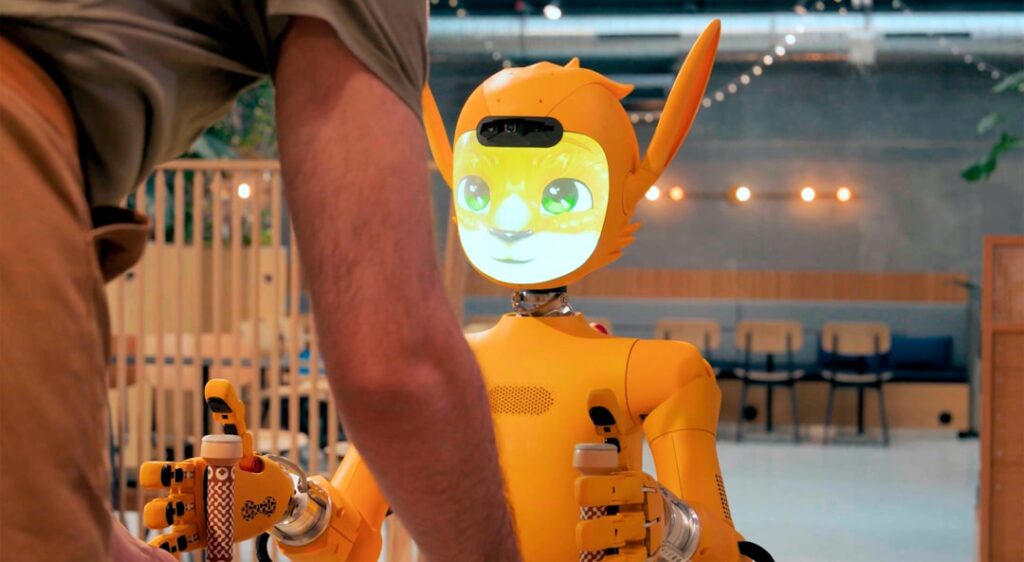
The integration of artificial intelligence (AI) into various sectors of society presents a complex landscape of opportunities and challenges, particularly concerning the future of work. This article explores the interplay between AI automation and human flourishing, examining the ethical considerations and societal implications that arise as we navigate this evolving frontier.
AI automation, at its core, represents the application of intelligent systems to perform tasks that were previously the domain of human labor. This transformation is not merely a technological upgrade; it is a fundamental reordering of how value is created and distributed. Think of it as a powerful new engine being fitted into the world’s existing machinery. While this engine promises increased efficiency and productivity, its installation necessitates careful consideration of how the rest of the system will adapt.
Defining Artificial Intelligence and Automation
Artificial intelligence refers to the simulation of human intelligence in machines programmed to think and learn. This encompasses a broad spectrum of technologies, from simple rule-based systems to sophisticated deep learning models capable of complex pattern recognition and decision-making. Automation, in this context, is the execution of these AI capabilities to perform tasks with minimal human intervention. This can range from automating routine data entry to deploying autonomous systems in manufacturing, logistics, and even creative fields. The scale and sophistication of AI-driven automation are steadily increasing, leading to a broader impact on the workforce.
Historical Parallels and Differences
Throughout history, technological advancements have consistently reshaped labor. The agricultural revolution, the industrial revolution, and the rise of the information age each brought about significant shifts in employment patterns and skill requirements. AI automation shares some similarities with these past transformations, in that it automates existing tasks and creates new ones. However, the speed and pervasiveness of AI’s potential impact may present a unique challenge. Unlike previous revolutions that often focused on augmenting or replacing specific physical or cognitive labor, AI has the capacity to impact a wider range of intellectual and creative pursuits. The loom replaced weavers, the assembly line changed manufacturing, but AI could potentially affect roles involving analysis, decision-making, and even artistic creation.
The Spectrum of Automation
It is crucial to recognize that AI automation is not a monolithic force. It exists on a spectrum.
Narrow AI vs. General AI
Currently, the AI systems we interact with are largely narrow AI, designed and trained for specific tasks. Examples include virtual assistants, recommendation algorithms, and facial recognition software. These systems are exceptionally good at what they are programmed to do but lack the broader cognitive abilities of humans. The concept of Artificial General Intelligence (AGI), which would possess human-level cognitive capabilities across a wide range of tasks, remains theoretical. The implications of AGI for work and society are far more profound and speculative.
Augmentation vs. Replacement
Automation can manifest in two primary ways: augmentation and replacement. AI augmentation enhances human capabilities, allowing individuals to perform tasks more efficiently, accurately, or with new insights. For instance, medical professionals might use AI to analyze diagnostic images, or writers might employ AI tools for grammar checking and idea generation. AI replacement, on the other hand, involves AI systems performing tasks entirely without human involvement, potentially displacing human workers. The balance between these two forms of automation will be a key determinant of the future of work.
In exploring the intersection of AI, ethics, and society, a pertinent article titled “The Future of Work: Balancing AI Automation and Human Flourishing” delves into the implications of AI on employment and well-being. This insightful piece discusses how automation can enhance productivity while also emphasizing the importance of maintaining human dignity and purpose in the workforce. For further reading on this topic, you can check out the article available at here.
Ethical Stumbling Blocks in the Path of Progress
The rapid ascent of AI automation is not without its ethical pitfalls. As these technologies become more ingrained in our daily lives and workplaces, critical ethical questions demand attention. Ignoring these concerns is akin to building a magnificent skyscraper without considering the foundation – it is destined for instability.
Bias, Fairness, and Discrimination
One of the most significant ethical concerns is the perpetuation and amplification of existing societal biases within AI systems. AI models learn from data, and if that data reflects historical discrimination against certain groups based on race, gender, socioeconomic status, or other factors, the AI will inevitably learn and replicate those biases.
Data as a Mirror to Society
The data used to train AI algorithms acts as a mirror, reflecting the patterns and prejudices prevalent in the real world. If historical hiring data, for instance, shows a bias against female candidates for certain technical roles, an AI trained on this data is likely to recommend male candidates, even if qualified female candidates are available. This can lead to discriminatory outcomes in hiring, loan applications, criminal justice, and many other critical areas.
Algorithmic Fairness and Mitigation Strategies
Ensuring algorithmic fairness is a complex technical and philosophical challenge. Researchers are developing various techniques to identify and mitigate bias in AI systems. These include using more representative datasets, implementing fairness constraints during model training, and developing methods for auditing and explaining AI decisions. However, defining “fairness” itself can be contentious, with different metrics and interpretations leading to different mitigation strategies.
Transparency, Explainability, and Accountability
The “black box” nature of some advanced AI systems poses a challenge to transparency and explainability. When an AI makes a decision, particularly one with significant consequences, it is often difficult to understand why that decision was made. This lack of transparency can hinder accountability.
The Need for Understandable AI
In fields like healthcare or finance, understanding the reasoning behind an AI’s recommendation or decision is crucial for trust and effective intervention. If an AI flags a patient as high-risk, clinicians need to know the specific factors that led to that assessment to provide appropriate care. Similarly, in legal or financial contexts, understanding the basis of an AI’s decision is vital for due process and recourse.
Who Bears the Responsibility?
When an autonomous system makes an error or causes harm, the question of accountability arises. Is it the programmer, the company that deployed the system, the user, or the AI itself? Establishing clear lines of responsibility for AI actions is a pressing legal and ethical matter that requires careful consideration and likely new regulatory frameworks.
Privacy and Data Security in the Age of AI
AI systems often require vast amounts of data to function effectively. This raises significant concerns about individual privacy and the security of personal information. The more data AI systems collect and process, the greater the potential for misuse or breaches.
The Ubiquity of Data Collection
From smart home devices to social media platforms, AI integration often involves continuous data collection. This can range from tracking consumer preferences to monitoring employee performance. Balancing the benefits of data-driven AI with the fundamental right to privacy is a delicate act.
Cybersecurity Vulnerabilities
AI systems themselves can be targets for cyberattacks. Exploiting vulnerabilities in AI algorithms or their underlying data infrastructure could lead to significant disruptions or the leakage of sensitive information. Ensuring robust cybersecurity measures for AI systems is paramount.
The Evolving Landscape of Human Labor

The integration of AI automation is not just about replacing human jobs; it is about fundamentally reshaping the nature of work itself. This shift necessitates a proactive approach to workforce development and social policies. The tide is changing, and we need to learn to surf the waves, not be swept away by them.
Job Displacement and Creation: A Double-Edged Sword
One of the most widely discussed impacts of AI automation is the potential for job displacement. Tasks that are repetitive, predictable, and data-intensive are prime candidates for automation. This can lead to a significant restructuring of certain industries and a decline in jobs that require lower-level cognitive skills.
Identifying Vulnerable Sectors
Sectors such as manufacturing, transportation, customer service, and administrative support are often cited as being at higher risk of significant automation-driven job displacement. The precise scale and speed of this displacement are subject to ongoing debate and depend on various factors, including the rate of technological adoption and economic conditions.
The Emergence of New Roles
Conversely, AI automation is also expected to create new job categories. These roles will likely involve the development, maintenance, supervision, and ethical oversight of AI systems. Jobs requiring high levels of creativity, critical thinking, emotional intelligence, and complex problem-solving are also expected to remain in demand and may even be enhanced by AI assistance. Think of AI as a co-pilot, not just an autopilot.
The Skill Gap and the Imperative for Reskilling
The evolving nature of work creates a growing skill gap. The skills that were valuable in the past may become obsolete, while new skills are in demand. This necessitates a significant investment in education, training, and lifelong learning initiatives.
Lifelong Learning as a Necessity
The traditional model of education, where individuals acquire skills early in life and then apply them throughout their careers, is no longer sufficient. The rapid pace of technological change means that continuous learning and adaptation are essential. Individuals will need to acquire new skills and update existing ones throughout their working lives.
Bridging the Divide Through Education and Training
Governments, educational institutions, and businesses have a shared responsibility to bridge this skill gap. This includes developing flexible and accessible training programs, promoting digital literacy, and fostering a culture of continuous professional development. Investing in human capital is an investment in the future of work.
The Rise of the Gig Economy and Remote Work
AI and digital technologies have also facilitated the growth of the gig economy and remote work. These models offer flexibility for workers and can streamline operations for businesses. However, they also raise questions about worker security, benefits, and the long-term social impact of a less centralized workforce.
Flexibility and Its Trade-offs
The ability to work remotely and engage in project-based work offers significant advantages for some individuals, allowing for better work-life balance and greater autonomy. However, it can also lead to precarious employment, a lack of benefits, and social isolation for some.
The Future of the Office and Collaboration
The widespread adoption of remote work, accelerated by recent global events, is likely to have a lasting impact on the traditional office environment. Companies are re-evaluating their physical footprints and exploring hybrid work models. Collaboration tools and techniques are also evolving to support distributed teams.
Cultivating Human Flourishing in an Automated World

The ultimate goal of technological advancement, including AI automation, should be to enhance human well-being and enable flourishing. This requires a deliberate effort to ensure that automation serves humanity, rather than the other way around. We must steer the ship of progress towards the harbor of human fulfillment.
Redefining Productivity and Value
As AI takes over more routine tasks, society may need to re-evaluate its definition of productivity and value. A focus solely on output may become increasingly inadequate.
Beyond the Bottom Line: Measuring Societal Impact
Perhaps a greater emphasis will be placed on contributions that AI cannot replicate, such as creativity, empathy, caregiving, and community building. A shift towards measuring societal impact and well-being, rather than just economic output, could foster a more holistic understanding of progress.
The Creative and Social Economy
Emerging sectors that rely heavily on human creativity, emotional intelligence, and social interaction may see increased prominence. These include arts and culture, personal services, and the care sector.
The Importance of Leisure, Creativity, and Personal Development
With increased automation, the potential exists for humans to dedicate more time to leisure, creative pursuits, and personal development. This could lead to a more fulfilling and enriched society.
Unleashing Human Potential
If AI can handle the drudgery, humans are freed to explore their passions, develop their talents, and contribute to society in ways that are uniquely human. This could spark a renaissance of creativity and innovation.
The Role of Education in Nurturing Human Skills
Education systems will need to adapt to foster critical thinking, creativity, emotional intelligence, and adaptability – skills that will be paramount in a future alongside AI.
Social Safety Nets and Universal Basic Income Debates
As the nature of work transforms, robust social safety nets and discussions around concepts like Universal Basic Income (UBI) are likely to become more prominent. These aim to ensure a basic standard of living for all citizens.
Ensuring Economic Security in Transition
The potential for widespread job displacement raises questions about how to ensure economic security for those whose livelihoods are impacted by automation. UBI, or similar income support mechanisms, are proposed as ways to provide a foundation and allow individuals to retrain, pursue entrepreneurial ventures, or engage in socially valuable work that may not be traditionally compensated.
The Philosophical and Practical Considerations
The debate surrounding UBI is multifaceted, encompassing economic feasibility, societal impact, and philosophical questions about the nature of work and reward. There is no single, universally agreed-upon solution, and pilot programs continue to explore its potential applications and consequences.
In exploring the intersection of AI, ethics, and society, a thought-provoking article titled “The Future of Work: Balancing AI Automation and Human Flourishing” delves into the implications of automation on employment and well-being. This piece highlights the necessity of creating a framework that ensures technology enhances human capabilities rather than diminishes them. For further insights on this topic, you can read more about it in this related article, which discusses the ethical considerations surrounding AI in the workplace.
Navigating the Future: A Call for Proactive Governance and Collaboration
| Metric | Description | Current Value / Estimate | Impact on Society | Ethical Considerations |
|---|---|---|---|---|
| AI Automation Adoption Rate | Percentage of industries implementing AI automation | 45% | Increased productivity, job displacement risk | Fair transition for displaced workers |
| Job Displacement Risk | Percentage of jobs at high risk of automation | 30% | Potential unemployment, economic inequality | Reskilling and social safety nets |
| Human Flourishing Index | Measure of well-being and life satisfaction | 7.2 / 10 | Indicator of societal health and happiness | Ensuring AI supports human values |
| AI Ethics Compliance Rate | Percentage of AI systems adhering to ethical guidelines | 60% | Trust in AI technologies | Transparency, accountability, bias mitigation |
| Reskilling Program Participation | Percentage of workforce engaged in AI-related reskilling | 25% | Improved employability and adaptability | Equal access to education and training |
| AI Impact on Work Hours | Average reduction in work hours due to AI automation | 10% | Potential for better work-life balance | Fair distribution of productivity gains |
The future of AI, ethics, and society is not a predetermined destiny; it is a path we are actively forging. Proactive governance, ethical foresight, and broad collaboration will be essential to ensure that the benefits of AI automation are shared widely and that human flourishing remains at the forefront. The rudder is in our hands; we must steer wisely.
The Role of Policy and Regulation
Governments have a critical role to play in shaping the development and deployment of AI. This includes establishing ethical guidelines, implementing regulations to address bias and ensure transparency, and investing in education and training initiatives.
Ethical Frameworks for AI Development
Developing globally recognized ethical frameworks for AI development and deployment is crucial to guide innovation in a responsible direction. These frameworks should address issues of fairness, accountability, transparency, and human oversight.
Adapting Legal and Regulatory Systems
Existing legal and regulatory systems may need to be adapted to address the unique challenges posed by AI, such as issues of liability for autonomous systems and the protection of data in AI-driven environments.
The Importance of Multistakeholder Collaboration
Addressing the complex challenges of AI automation requires collaboration among governments, industry, academia, civil society, and individuals. No single entity can solve these problems alone.
Bridging the Gap Between Technologists and Ethicists
Effective collaboration necessitates bringing together AI developers and engineers with ethicists, social scientists, policymakers, and legal experts. This interdisciplinary approach ensures that technological advancements are considered within a broader societal context.
Public Discourse and Engagement
Fostering informed public discourse and engagement on AI is vital. A well-informed citizenry can contribute to shaping policies and ensuring that AI development aligns with societal values.
Investing in Human Capital and Well-being
Ultimately, the successful integration of AI automation hinges on our commitment to investing in human capital and prioritizing human well-being. This means fostering a society where individuals have the opportunity to learn, grow, and thrive, regardless of the technological landscape.
A Human-Centric Approach to AI
The development and deployment of AI should be guided by a human-centric philosophy, ensuring that technology serves to empower and enrich human lives, rather than diminish them. This approach prioritizes human dignity, autonomy, and the pursuit of meaningful lives.
Towards a Symbiotic Future
The future of work is not a zero-sum game between humans and machines. Instead, it holds the potential for a symbiotic relationship, where AI augments human capabilities, freeing us to focus on what we do best, and enabling a future where both technology and humanity can flourish.