

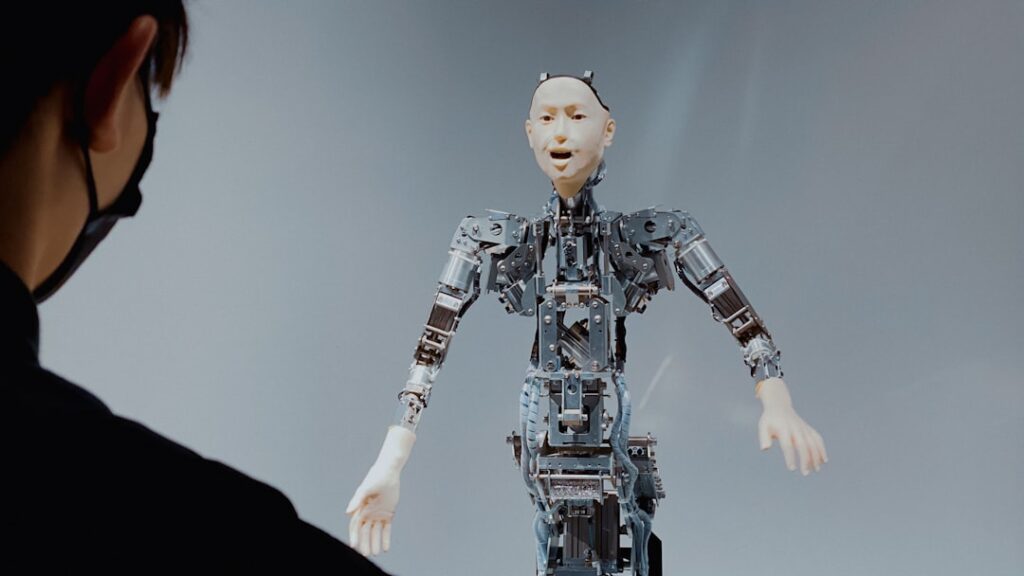
Robotics, a field engaged with the design, construction, operation, and application of robots, has undergone significant advancements. The integration of digital twins, virtual replicas of physical systems, is a development poised to further transform this domain. This essay explores the synergy between robotics and digital twins, examining their combined potential to bridge the physical and digital realms.
Early robotics focused on automating repetitive tasks in controlled environments. Industrial robots, such as those found on assembly lines, exemplify this initial phase. These systems were largely pre-programmed and lacked the adaptability to unforeseen situations.
From Automation to Autonomy
The transition from automation to autonomy marks a key evolutionary step. Modern robots are increasingly capable of perceiving their environment, making decisions, and adapting their behavior. This shift is driven by advancements in artificial intelligence (AI), machine learning (ML), and sensor technologies.
- Sensor Fusion: The ability to combine data from multiple sensors (e.g., cameras, lidar, ultrasonic) provides robots with a more comprehensive understanding of their surroundings. This fusion of information allows for more robust environmental mapping and object recognition.
- Machine Learning for Perception: ML algorithms enable robots to learn from data, improving their ability to identify objects, understand human intentions, and navigate complex environments. This learning extends to tasks such as object manipulation and speech recognition.
- Path Planning and Navigation: Algorithms for path planning allow robots to compute optimal routes to a destination while avoiding obstacles. These algorithms often incorporate real-time sensor data to dynamically adjust paths.
Human-Robot Collaboration
The emergence of collaborative robots (cobots) signifies a departure from segregated robotic workspaces. Cobots are designed to work alongside humans, sharing tasks and enhancing productivity. Safety features, such as force-torque sensors and proximity detection, are paramount in these systems. This collaboration requires sophisticated interaction protocols.
In the context of the ongoing advancements in robotics, the article “Robotics Revolution: Bridging Physical and Digital Worlds with Digital Twins in Robotics” highlights the transformative potential of digital twins in enhancing robotic systems. For further insights into the implications of digital technologies in various sectors, you may find the article on cookie policies and their relevance to digital innovation particularly interesting. You can read more about it here: Cookie Policy and Digital Innovation.
Introducing Digital Twins
A digital twin is a virtual model that accurately reflects a physical object, process, or system. It acts as a dynamic, real-time counterpart, receiving data from its physical twin through sensors. This constant data flow allows the digital twin to simulate the physical twin’s behavior, performance, and state.
Components of a Digital Twin System
A fully functional digital twin system typically comprises several interconnected components:
- Physical Asset: The real-world object or system being modeled. This could be a single robot, a robotic arm, or an entire manufacturing facility.
- Sensors: Devices attached to the physical asset that collect data on its operational parameters (e.g., temperature, pressure, vibration, position, power consumption). These sensors act as the eyes and ears of the digital twin.
- Data Acquisition and Transmission: A mechanism for gathering sensor data and transmitting it to the digital twin platform. This often involves internet of things (IoT) technologies and secure communication protocols.
- Digital Model: The virtual representation of the physical asset. This model encompasses geometric data, kinematic and dynamic properties, and often a behavioral model based on physical laws and learned parameters.
- Data Processing and Analytics: Algorithms and tools to process, analyze, and interpret the incoming sensor data. This can involve statistical analysis, machine learning for anomaly detection, and predictive modeling.
- Visualization and User Interface: A platform to visualize the digital twin’s state, performance, and simulated behaviors. This interface allows users to interact with the twin, modify parameters, and explore “what-if” scenarios.
Types of Digital Twins
Digital twins can be categorized based on their scope and level of abstraction:
- Component Twin: Represents a single, specific part of a larger system (e.g., a robot’s gripper).
- Asset Twin: Encompasses an entire individual asset (e.g., a complete robotic arm).
- System Twin: Models a collection of assets working together (e.g., a robotic work cell). Like an orchestra, where each instrument is an asset twin, and the entire orchestra is a system twin, each contributing to the overall harmony.
- Process Twin: Focuses on the entire operational process involving multiple assets and systems (e.g., a fully automated production line).
Digital Twins in Robotics: Bridging the Divide
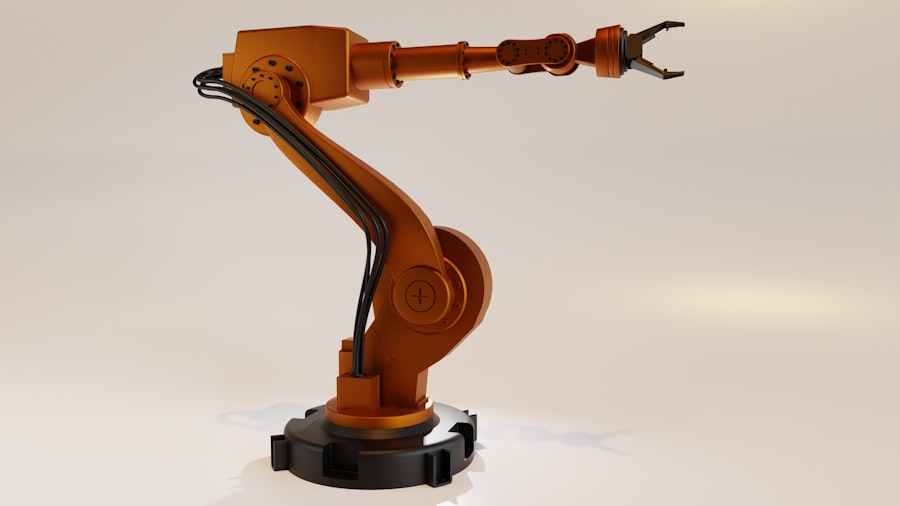
The integration of digital twins into robotics creates a powerful synergy, effectively bridging the chasm between the physical and digital realms. This bridge enables unprecedented levels of insight, control, and optimization.
Simulation and Design Optimization
Before a physical robot is even built, a digital twin can be used for extensive simulation. This allows engineers to:
- Test Design Iterations: Experiment with different robot designs, material choices, and kinematic configurations in a virtual environment. This reduces the need for expensive physical prototypes, allowing for rapid iteration, as if sketching on a digital canvas before committing to paint.
- Validate Performance: Simulate a robot’s performance under various operating conditions and workloads. This helps identify potential weaknesses or bottlenecks before deployment.
- Optimize Task Planning: Develop and refine robot trajectories and motion plans in the digital twin, ensuring efficiency and collision avoidance in the real world.
- Early Error Detection: Identify potential design flaws or operational issues that might otherwise only become apparent after physical construction, like spotting a crack in a blueprint.
Real-time Monitoring and Diagnostics
Once a robot is deployed, its digital twin becomes a living, breathing replica, continuously fed with real-time data from its physical counterpart. This enables:
- Remote Monitoring: Operators can gain a comprehensive understanding of a robot’s current state, including its position, joint angles, motor temperatures, and power consumption, from anywhere in the world. This is like having a transparent window into the robot’s soul.
- Performance Tracking: Analyze trend data to identify patterns and predict future performance degradation. This allows for proactive maintenance and operational adjustments.
- Anomaly detection: Deviations from expected behavior can be flagged by the digital twin, alerting operators to potential malfunctions or impending failures. This acts as an early warning system.
- Root Cause Analysis: In the event of a failure, the digital twin can replay the sequence of events leading up to the incident, aiding in quick and accurate root cause identification. This is like having a black box recorder for the robot.
Predictive Maintenance and Proactive Intervention
One of the most significant benefits of digital twins in robotics is the ability to shift from reactive to predictive maintenance.
- Predictive Failure: By analyzing sensor data and applying machine learning algorithms, the digital twin can predict when a component is likely to fail. This allows maintenance teams to schedule interventions before a breakdown occurs, minimizing downtime and production losses.
- Optimized Maintenance Schedules: Instead of adhering to fixed maintenance schedules, digital twins enable condition-based maintenance, performing service only when it’s needed. This reduces unnecessary maintenance costs and extends component life.
- Proactive Adjustments: If the digital twin identifies an impending issue, it can suggest or even initiate proactive adjustments to the robot’s operating parameters to mitigate the problem.
Remote Operation and Control
Digital twins facilitate advanced forms of remote operation and control of robotic systems.
- Virtual Commissioning: New robotic systems can be virtually commissioned in the digital twin environment before physical installation. This significantly reduces on-site setup time and potential errors.
- Teleoperation with Enhanced Feedback: Operators can control remote robots with greater precision by leveraging the rich sensory feedback and simulated environment provided by the digital twin. This provides a more immersive and informative teleoperation experience.
- Autonomous System Oversight: For increasingly autonomous robots, the digital twin acts as a supervision layer, monitoring the robot’s decision-making and allowing for human intervention if necessary.
The Future Landscape: Implications and Challenges
The widespread adoption of digital twins is set to redefine the landscape of robotics, presenting both opportunities and challenges.
Opportunities for Innovation
The integration of digital twins opens doors to numerous innovative applications:
- Hyper-Personalization in Manufacturing: Robots guided by digital twins can adapt their processes to produce highly customized products efficiently and cost-effectively.
- Complex Mission Planning for Field Robotics: In hazardous or remote environments, digital twins can be used to meticulously plan and simulate complex robotic missions, optimizing safety and success rates.
- Robotics as a Service (RaaS): Digital twins enable providers of RaaS to monitor, maintain, and optimize their robot fleets remotely, offering higher service reliability and efficiency to customers.
- Training and Education: Digital twins provide realistic virtual environments for training robotic operators and engineers, allowing them to practice complex procedures without risk to physical equipment, like a flight simulator for robot pilots.
- Sustainable Robotics: By optimizing robot operations and predicting maintenance needs, digital twins can contribute to energy efficiency and reduce waste in manufacturing processes.
Addressing the Challenges
Despite the transformative potential, several challenges must be addressed for the full realization of digital twins in robotics:
- Data Management and Security: The sheer volume of data generated by sensors and transmitted to digital twins requires robust data management infrastructure. Ensuring the security and privacy of this data is paramount.
- Model Accuracy and Fidelity: Creating and maintaining highly accurate digital models that precisely reflect the physical robot’s behavior is complex. As the physical robot ages or undergoes modifications, the digital twin must be continually updated.
- Interoperability Standards: A lack of standardized protocols for data exchange and model representation can hinder the seamless integration of digital twins from different vendors or across various systems.
- Computational Resources: Running sophisticated digital twins, especially those involving real-time physics simulations, demands significant computational power and cloud infrastructure.
- Skilled Workforce: The successful implementation and management of digital twin systems require a workforce with expertise in robotics, AI, data science, and cloud computing.
- Cost of Implementation: The initial investment in sensors, software, and infrastructure for digital twin systems can be substantial, particularly for small and medium-sized enterprises.
In exploring the transformative impact of digital twins in robotics, it is beneficial to consider related insights from the article on the Robotics Revolution. This piece delves into how the integration of physical and digital realms is reshaping industries and enhancing operational efficiencies. For a deeper understanding of these advancements, you can read more about it in this related article. The synergy between these technologies is paving the way for innovative solutions that bridge the gap between the tangible and the virtual.
Conclusion
| Metric | Description | Value / Statistic | Impact on Robotics |
|---|---|---|---|
| Digital Twin Adoption Rate | Percentage of robotics companies implementing digital twin technology | 45% (2024) | Accelerates design, testing, and deployment of robotic systems |
| Simulation Accuracy | Degree to which digital twins replicate physical robot behavior | Up to 98% | Improves predictive maintenance and reduces downtime |
| Development Time Reduction | Decrease in time to develop and test robotic systems using digital twins | 30-40% | Speeds up innovation and time-to-market |
| Cost Savings | Reduction in prototyping and operational costs via digital twin usage | 25-35% | Enhances ROI and resource efficiency |
| Remote Monitoring Capability | Ability to monitor and control robots remotely through digital twins | Enabled in 70% of advanced robotics systems | Increases operational flexibility and safety |
| Predictive Maintenance Accuracy | Effectiveness of digital twins in forecasting robot failures | 85-90% | Minimizes unexpected breakdowns and maintenance costs |
| Integration with AI | Extent to which digital twins incorporate AI for decision-making | 60% of digital twin platforms | Enhances autonomous capabilities and adaptive behavior |
The convergence of robotics and digital twin technology represents a significant leap forward in the capabilities of robotic systems. By creating and leveraging virtual counterparts, we gain unprecedented visibility, control, and predictive power over our physical robotic assets. This symbiosis transforms robots from mere automated machines into intelligent, self-aware entities capable of optimized performance, predictive maintenance, and seamless interaction with their human counterparts. As the technology matures and challenges are overcome, the digital twin will become an indispensable component in the ongoing robotics revolution, cementing its role as the bridge that intelligently connects and empowers the physical and digital worlds.