

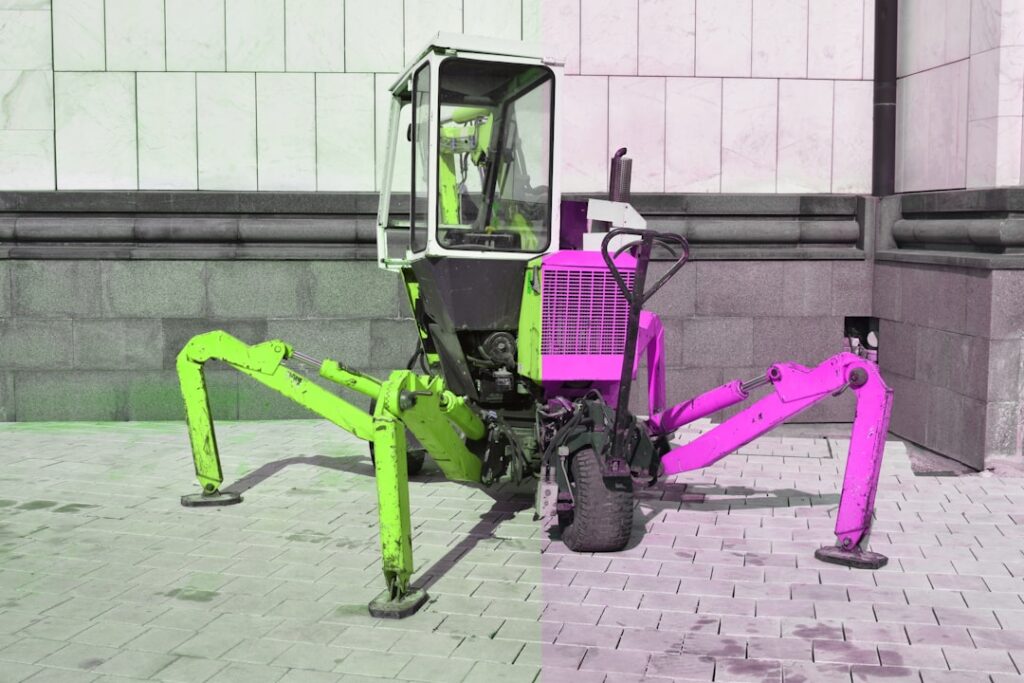
This article will explore the integration of soft robotics into modern manufacturing systems, a field that is rapidly advancing.
Manufacturing systems have historically relied on rigid, precisely engineered robots designed for repetitive, high-precision tasks. These robots, often resembling articulated metal arms, excel in environments where predictability is paramount. They are the workhorses of assembly lines, performing tasks like welding, painting, and component placement with unwavering accuracy. Their strengths lie in their speed, payload capacity, and the ability to operate continuously without fatigue. Think of these as the highly specialized, unyielding craftsmen of the industrial world, perfect for creating identical products at high volumes. However, the very rigidity that makes them so effective also limits their versatility. Their operating envelopes are fixed, and interaction with delicate or irregularly shaped objects requires complex, often fragile, end-effectors. Safety concerns also necessitate significant physical separation from human workers, leading to the concept of “cages” around robotic work cells, a stark illustration of the chasm between man and machine in traditional automation.
Historical Context of Industrial Automation
The origins of industrial automation can be traced back to the early 20th century with the introduction of the assembly line. However, the true genesis of modern robotics in manufacturing began with the development of programmable manipulators like the Unimate robot in the late 1950s. These early robots were designed to perform dangerous or repetitive tasks, freeing human workers from hazardous environments or monotonous duties. Their impact was transformative, leading to increased efficiency and consistency in production. The subsequent decades saw rapid advancements in sensor technology, control systems, and computational power, enabling more complex and sophisticated robotic applications. This period can be likened to the harnessing of fire; a fundamental leap that unlocked new possibilities for production. The “robotic revolution” of this era was characterized by the widespread adoption of industrial arms capable of high-speed, high-precision movements, becoming indispensable in sectors like automotive manufacturing and electronics assembly.
The Limitations of Traditional Rigid Robotics
While indispensable, rigid robots present inherent limitations in the face of evolving manufacturing demands. Their precision comes at the cost of adaptability. Tasks involving handling deformable materials, interacting with humans in close proximity, or navigating unstructured environments pose significant challenges. The metal exoskeleton of a traditional robot, while strong, is also inherently unforgiving. Attempting to grasp a delicate piece of produce or assist an elderly person with a rigid claw would be, at best, ineffective, and at worst, damaging. The need for pre-programmed trajectories and sensing environments with high fidelity means that any deviation from the expected can lead to errors, stoppages, or damage. This inflexibility often necessitates extensive reprogramming or the development of specialized tooling for each new task or product variation, a time-consuming and costly process. The rigidity also imposes safety considerations, requiring guarded workspaces to prevent accidental collisions with human operators.
Emergence of New Demands in Manufacturing
The modern manufacturing landscape is no longer solely defined by mass production of identical goods. Consumer demand is increasingly shifting towards personalization, customization, and shorter product lifecycles. This trend creates a need for more agile and flexible automation solutions. Furthermore, the integration of human workers alongside robots, often referred to as cobotics, is gaining traction as a means to leverage the strengths of both. The desire for on-demand production, where goods are manufactured according to immediate orders rather than speculative forecasting, adds another layer of complexity. This requires manufacturing systems that can rapidly reconfigure and adapt to diverse product designs and assembly sequences. The increasing focus on sustainability also necessitates efficient use of resources and reduced waste, prompting the development of automation that can handle materials with greater care and precision.
In the context of the ongoing advancements in manufacturing, the article “Robotics Revolution: Soft Robotics in Modern Manufacturing Systems” highlights the transformative potential of soft robotics in enhancing production efficiency and flexibility. For further insights into the implications of these technologies on industry practices, you can explore a related article that discusses the broader impact of robotics and automation in various sectors. To read more about this topic, visit this link.
The Promise of Soft Robotics
Soft robotics represents a paradigm shift in automation, moving away from rigid structures towards compliant, adaptable, and inherently safe robotic systems. Unlike their rigid counterparts, soft robots are constructed from materials with intrinsic flexibility, such as silicone, rubber, and other polymers. This inherent compliance allows them to deform and conform to their surroundings, enabling a gentler and more adaptable approach to interaction and manipulation. Imagine a surgeon’s hand, capable of intricate movements and delicate tissue handling, rather than a vise-like grip. This flexibility is typically achieved through a variety of actuation methods, including pneumatic and hydraulic systems that inflate and deflate internal chambers, electroactive polymers that change shape in response to electrical signals, or magnetic actuation that leverages external magnetic fields. The ability to mimic biological systems, with their inherent flexibility and dexterity, is a core driving force behind soft robotics research and development.
Materials Science Innovations for Soft Robotics
The development of advanced materials is fundamental to the progress of soft robotics. Traditional manufacturing relied on metals and hard plastics, but soft robotics necessitates a different material palette. Polymers, in their myriad forms, are the building blocks. Elastomers like silicone rubber offer excellent flexibility and durability, allowing for repeated deformation without degradation. Hydrogels, with their high water content, open possibilities for biocompatible and responsive actuators. Even advancements in composite materials, embedding sensing capabilities directly into flexible matrices, are crucial. The search is ongoing for materials that are not only compliant but also possess specific properties such as high tensile strength, resistance to wear and tear, and the ability to integrate embedded sensors and actuators. This is akin to discovering new alloys for traditional machines, but focused on achieving a different set of mechanical and functional properties.
Actuation Principles in Soft Robotic Systems
The “muscles” of soft robots are their actuators, and various innovative approaches are being explored. Pneumatic actuators are perhaps the most prevalent, relying on pressurized air to inflate and deflate flexible chambers, causing the robot to bend, extend, or contract. This is like using a balloon to bend a straw. Hydraulic systems offer a similar principle but utilize incompressible fluids, allowing for more precise control and higher forces. Electroactive Polymers (EAPs) are a burgeoning area, where materials change shape or size when subjected to an electric field. These are often referred to as artificial muscles. Magnetic actuation employs external magnetic fields to deform or move soft robotic components, offering a contactless and potentially highly precise method of control. The choice of actuation method significantly influences the robot’s capabilities, from its speed and force output to its energy efficiency and complexity of control.
Sensing and Feedback Mechanisms
For soft robots to operate effectively, especially in dynamic and unstructured environments, sophisticated sensing and feedback mechanisms are essential. Unlike rigid robots that rely on precise positional encoders, soft robots require sensors that can detect deformation, pressure, and proximity in a flexible manner. Strain gauges embedded within the soft materials can measure the extent of stretching or bending. Tactile sensors, often built using conductive gels or fabrics, provide information about contact forces and textures. Vision systems, adapted to interpret the often-amorphous shapes of soft robots and their surroundings, also play a crucial role. The integration of these sensors allows the robot to “feel” its environment and adjust its movements accordingly, enabling it to adapt to unexpected obstacles or variations in object properties. This sensory feedback is like the proprioception of a living organism, allowing it to understand its own form and position.
Applications in Modern Manufacturing Processes

The unique characteristics of soft robotics unlock a wide array of new possibilities and enhancements within modern manufacturing systems, addressing challenges that were previously difficult or impossible to overcome with traditional automation. Their ability to interact gently and adaptively makes them ideal for tasks involving delicate materials, varying geometries, and human-robot collaboration. The manufacturing sector, constantly seeking improvements in efficiency, safety, and flexibility, is a fertile ground for the adoption of these novel robotic systems.
Delicate Material Handling and Assembly
One of the most immediate and impactful applications of soft robotics is in the handling of delicate and deformable materials. Consider the food industry, where grasping a ripe tomato or a flaky pastry requires a gentle touch to avoid damage. Soft grippers, inspired by the dexterity of human fingers or the suction capabilities of an octopus, can conform to the shape of these items, applying just the right amount of pressure. This extends to the electronics industry, where handling fragile components like semiconductor wafers or flexible circuits demands extreme care. Soft robotic grippers minimize the risk of scratching, crushing, or deforming these sensitive parts. In pharmaceutical manufacturing, the precise and gentle handling of vials and sensitive chemical compounds can be significantly improved. These grippers are not merely tools; they are extensions of the manufacturing process that respect the inherent fragility of the products being handled.
Gripping and Grasping Technologies
The evolution of soft grippers is a prime example of this application. Traditional robotic grippers often employed rigid jaws or suction cups, which could be problematic for irregularly shaped or delicate objects. Soft grippers, on the other hand, utilize a range of principles. Pneumatically actuated fingers can be designed with compliant surfaces that mold around an object, distributing pressure evenly. Suction-based soft grippers, often employing a flexible skirt to create a seal, can effectively grasp a wide variety of objects without requiring precise alignment. Even magnetorheological fluids are being explored to create adaptive gripping surfaces. The key innovation lies in the gripper’s ability to adapt its shape and pressure application to the specific item being handled, much like how a human hand adjusts its grip when picking up a raw egg versus a metal bolt.
Packaging and Palletizing of Fragile Goods
Beyond individual item handling, soft robotics is finding its way into broader packaging and palletizing operations for fragile goods. Imagine a system that can gently place delicate glassware into protective packaging or stack boxes of deformable food items onto a pallet without crushing the lower layers. Soft robotic arms equipped with compliant end-effectors can achieve this by applying controlled forces and conforming to the irregular shapes of the products and packaging. This reduces product damage, minimizes material waste from over-packaging, and improves the overall efficiency of the logistics chain. The ability to create stable yet adaptable stacks on pallets is crucial for ensuring that goods arrive at their destination in pristine condition, a challenge that rigid robotic solutions often struggle to meet.
Human-Robot Collaboration and Safety
The inherent compliance and reduced force output of soft robots make them ideal for applications requiring close collaboration with human workers. Traditional robots are often required to operate in isolated cells due to safety concerns, creating a physical and operational divide. Soft robots, however, can operate in shared workspaces, performing tasks alongside humans without posing a significant risk of injury. This is particularly relevant in assembly processes where human dexterity and problem-solving skills are combined with the precision and tireless nature of robots. Soft robotic arms can act as assistants, holding components, performing repetitive sub-assembly tasks, or providing tools to human operators. This harmonious integration, where robots and humans augment each other’s capabilities, is a significant step towards more efficient and ergonomic workplaces.
Cobotic Arms for Assembly Tasks
Soft cobotic arms are designed with safety as a paramount concern. Their flexible construction means that in the event of an unexpected collision, the impact force is significantly reduced. Integrated sensors can detect human presence and automatically adjust robot speed or halt operation, creating a dynamic and responsive collaborative environment. This allows for more intricate assembly tasks to be performed with human oversight and intervention where needed, while the robot handles the more repetitive or physically demanding aspects. This collaborative approach can lead to higher quality products, reduced strain on human workers, and increased overall production throughput.
Safety Features and Collision Avoidance
The safety features of soft robots are not merely add-ons; they are often intrinsic to their design. The compliant materials absorb impact energy naturally. Furthermore, advanced sensing systems can detect human proximity and intention, allowing the robot to predict movements and avoid collisions before they occur. Force and torque sensors in the robot’s joints, combined with vision systems, provide a comprehensive understanding of the shared workspace. This allows for a level of safety that enables operations in close proximity, a stark contrast to the “safety cages” of traditional robotic systems. This inherent safety opens doors for applications in environments where human interaction is unavoidable and crucial for product quality.
Advanced Manufacturing and Customization
The flexibility and adaptability of soft robotics are key enablers for advanced manufacturing paradigms such as mass customization and on-demand production. As product lifecycles shorten and consumer demand for personalized goods increases, manufacturing systems must become more agile. Soft robots, with their ability to handle a wider range of product variations and adapt to different assembly sequences, are well-suited for these dynamic environments. They can be easily reprogrammed or reconfigured to handle diverse product designs, reducing the downtime and cost associated with retooling traditional automated systems.
Flexible Production Lines
Soft robotics can contribute to the creation of highly flexible production lines. Instead of rigid lines designed for a single product, a soft robotics-enabled line can be reconfigured on the fly to produce different variations of a product or even entirely different products. This is achieved through the use of modular soft robotic end-effectors and adaptable grippers that can quickly be swapped or reconfigured for new tasks. The ability to rapidly adapt to changing market demands is a significant competitive advantage. This is like having a set of highly versatile tools that can be used for a multitude of construction projects, rather than specialized tools for only one type of build.
On-Demand Manufacturing and Prototyping
The rise of on-demand manufacturing, where products are made only when ordered, presents challenges for traditional high-volume production lines. Soft robots, with their inherent flexibility and ease of reconfiguration, are well-suited for supporting these operations, including rapid prototyping. They can be integrated into flexible manufacturing cells that can quickly switch between producing different prototypes or small batches of customized products. This allows businesses to respond rapidly to market changes, test new designs, and offer highly personalized goods to consumers without incurring prohibitive setup costs.
Challenges and Future Directions
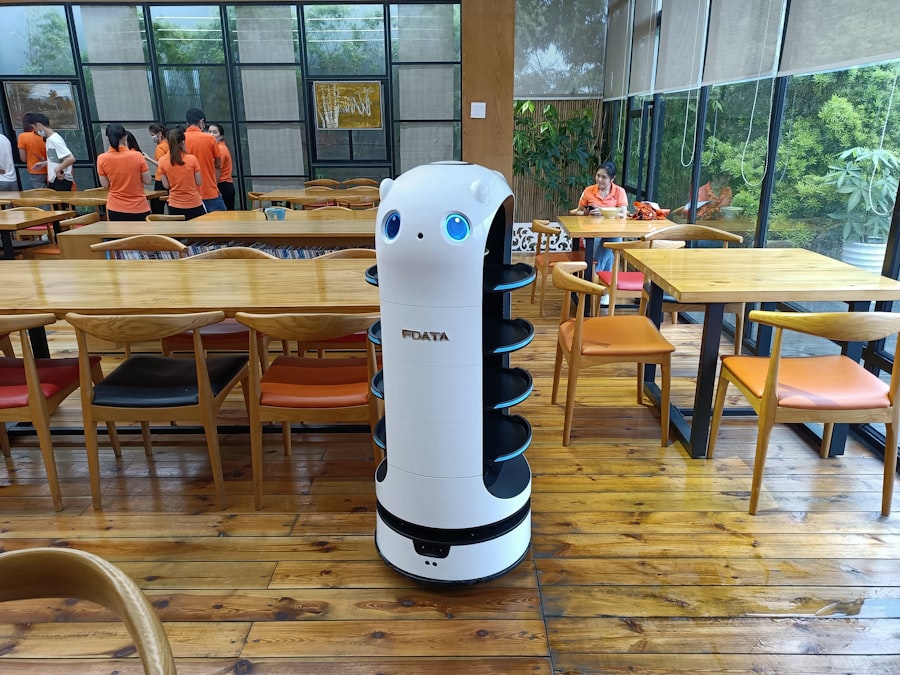
Despite the significant progress and burgeoning applications, the widespread adoption of soft robotics in manufacturing is not without its hurdles. The transition from laboratory innovations to industrial-scale deployment requires overcoming several key challenges. Addressing these will be crucial for unlocking the full potential of this transformative technology.
Durability and Longevity of Soft Actuators
One of the primary concerns for industrial applications is the long-term durability and longevity of soft robotic components, particularly actuators and flexible materials. Unlike hardened steel or robust plastic components of traditional robots, soft materials can be susceptible to wear and tear, fatigue, and environmental degradation over extended operational periods. Repeated flexing, exposure to chemicals, or abrasion can lead to material breakdown, necessitating frequent maintenance or replacement. This can impact the overall cost-effectiveness and reliability of soft robotic systems in demanding industrial settings. Research is actively focused on developing more resilient soft materials and robust sealing techniques to enhance their lifespan and reduce downtime.
Control Complexity and Precision
While the inherent compliance of soft robots offers advantages in adaptability, it also introduces complexities in control. Achieving precise movements and accurately controlling forces with deformable structures can be significantly more challenging than with rigid systems. Traditional control algorithms often rely on precise kinematic models, which become difficult to define for compliant and dynamically changing robot bodies. Developing advanced control strategies, including machine learning-based approaches and sophisticated sensor fusion techniques, is essential to enable soft robots to perform tasks with the required level of accuracy and predictability for industrial automation. The feedback loops need to be exceptionally responsive to account for the continuous deformation of the robot itself.
Scalability and Cost-Effectiveness for Mass Production
The manufacturing of soft robotic components themselves can present scaling challenges. Producing complex, multi-material soft actuators and integrating them with sensing and control systems at an industrial scale and at a competitive cost is an ongoing area of development. While many soft robotics technologies are currently at the research and development stage, the transition to mass-produced, cost-effective solutions is critical for wider adoption. This involves optimizing material processing techniques, developing efficient manufacturing processes for actuators, and ensuring the overall system integration can be economically viable for diverse manufacturing environments. The initial investment for specialized soft robotic systems needs to be justified by demonstrable benefits in terms of throughput, quality, or reduced operational costs.
Integration with Existing Manufacturing Infrastructure
Integrating novel soft robotic systems into existing, often legacy, manufacturing infrastructure can be a complex undertaking. Industrial plants are typically designed around established automation paradigms, and introducing new robotic technologies may require significant modifications to power supply, data networks, and physical layouts. Ensuring interoperability and seamless communication between soft robots and other automated systems, as well as human operators, is paramount. Standardized interfaces and protocols are needed to facilitate this integration and minimize disruption to ongoing production processes. This requires a holistic approach, considering not just the soft robot itself but its place within the entire factory ecosystem.
In exploring the advancements in manufacturing technology, the article on the Robotics Revolution highlights the significant role of soft robotics in modern systems. For a deeper understanding of how these innovations are transforming industries, you may find the related article on automation trends particularly insightful. This piece delves into the integration of flexible robotic systems and their impact on efficiency and productivity in manufacturing. You can read more about it here.
The Future of Soft Robotics in Industry
| Metric | Description | Value / Data | Unit |
|---|---|---|---|
| Market Growth Rate | Annual growth rate of soft robotics in manufacturing | 22 | % CAGR (2023-2028) |
| Average Cycle Time Reduction | Reduction in manufacturing cycle time using soft robotics | 15 | % |
| Flexibility Improvement | Increase in adaptability to different product types | 30 | % |
| Cost Savings | Reduction in operational costs due to soft robotics integration | 18 | % |
| Payload Capacity | Maximum weight handled by soft robotic grippers | 5 | kg |
| Deployment Time | Time required to integrate soft robotics into existing systems | 4 | weeks |
| Error Rate Reduction | Decrease in product handling errors with soft robotics | 25 | % |
| Energy Consumption | Energy used by soft robotic systems compared to traditional robots | 40 | % less |
The trajectory of soft robotics in manufacturing points towards increasingly sophisticated and integrated systems. As research continues to address the current challenges, we can anticipate soft robots playing an even more integral role in shaping the future of production. Their inherent advantages in adaptability, safety, and gentle manipulation position them as key players in the evolution of intelligent automation.
Towards More Autonomous and Adaptive Systems
The future will likely see soft robots becoming more autonomous, capable of performing complex tasks with less human intervention. This will be driven by advancements in artificial intelligence, particularly in areas like reinforcement learning and advanced path planning, allowing soft robots to adapt to dynamic and unpredictable environments. Imagine robots that can not only pick and place items but also intelligently decide the best way to grasp them based on real-time sensing and learned experience. This move towards greater autonomy will revolutionize how manufacturing processes are managed and executed.
Enhanced Human-Robot Symbiosis
The trend towards human-robot collaboration, or symbiosis, will undoubtedly be amplified by soft robotics. As soft robots become even safer and more intuitive to interact with, the boundaries between human and machine workspaces will continue to blur. This will lead to a more dynamic and collaborative manufacturing environment where humans and robots work together seamlessly, leveraging each other’s unique strengths to achieve unprecedented levels of efficiency and innovation. This partnership will foster a more ergonomic and fulfilling work experience for human operators.
Innovations in Healthcare and Beyond
While this article focuses on manufacturing, the advancements in soft robotics have far-reaching implications for other sectors, notably healthcare. The development of soft robotic surgical tools, artificial organs, and wearable assistive devices are all areas that benefit from the same material science and actuation principles being explored for industrial applications. The lessons learned and technologies developed in one domain will undoubtedly cross-pollinate and accelerate progress in others, creating a ripple effect of innovation driven by the pursuit of flexible, intelligent automation. The journey of soft robotics is still in its early stages, but its potential to reshape industries and improve lives is immense.