

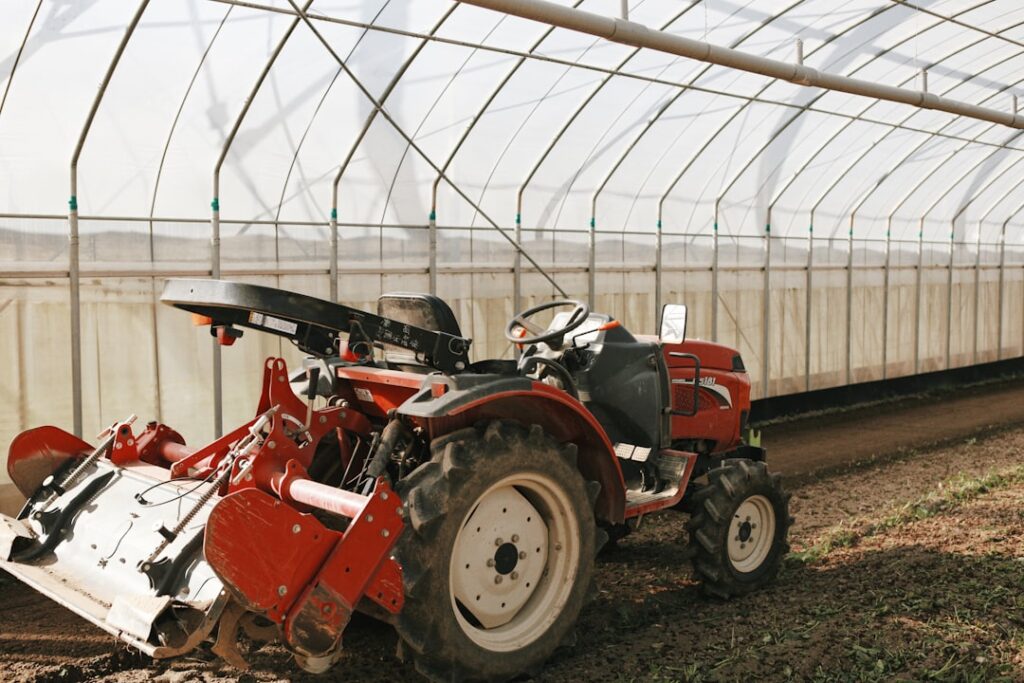
Artificial intelligence (AI) is emerging as a significant tool in the pursuit of sustainable agriculture, particularly in areas concerning precision agriculture and water management. The confluence of these fields offers practical strategies to address challenges posed by a growing global population, climate change, and the inherent inefficiencies in traditional farming methods. Precision agriculture, fundamentally, is about doing the right thing, in the right place, at the right time, and in the right way. AI provides the sophisticated analytical engine to achieve this level of control and optimization a veritable compass and sextant for navigating the complexities of the farm.
The application of AI in agriculture is not a monolithic concept but rather a suite of technologies and methodologies. Machine learning algorithms, computer vision, and predictive analytics are at the forefront, enabling farmers to move from broad-stroke management to granular, field-specific interventions. This shift is crucial because, historically, agricultural practices have often treated entire fields as uniform entities, even though variations in soil, moisture, and plant health are commonplace. AI, by contrast, can discern these subtle differences and tailor actions accordingly. This is akin to a doctor prescribing a treatment based on an individual’s specific condition rather than a one-size-fits-all remedy.
The Imperative for Sustainable Agriculture
The global food system faces a multifaceted crisis. Population growth, projected to reach nearly 10 billion by 2050, necessitates a substantial increase in food production. Simultaneously, the agricultural sector is a significant contributor to environmental degradation, accounting for a considerable portion of greenhouse gas emissions, land use, and freshwater consumption. Climate change further exacerbates these issues, leading to more frequent and intense extreme weather events such as droughts and floods, disrupting crop yields and food security. Water scarcity, in particular, is a growing concern in many regions, making