

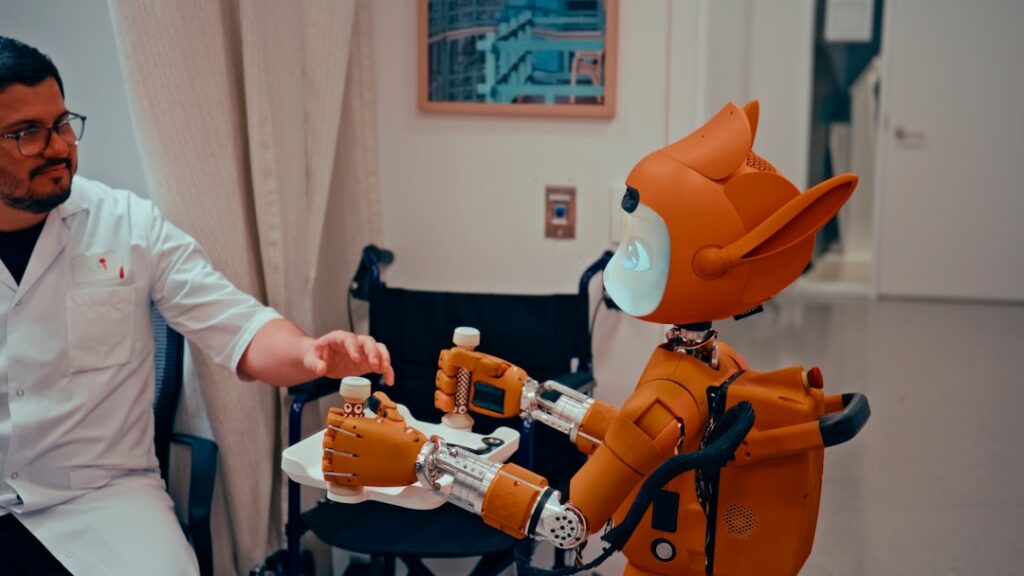
To understand the trajectory of robotic surgery, consider the rigid, mechanical arm of a past generation. These early surgical robots offered enhanced dexterity and visualization, acting as extensions of the surgeon’s hands. However, their inherent stiffness limited their interaction with delicate tissues and confined spaces, much like a blacksmith’s hammer attempting to perform microsurgery. The advent of soft robotics represents a paradigm shift, offering a degree of compliance and adaptability that opens new frontiers in surgical intervention. This article explores the emergence of soft robotics in surgery and its potential to redefine precision and patient outcomes.
What Constitutes a “Soft” Robot?
Soft robots are constructed from compliant or elastic materials, such as silicones, polymers, and hydrogels. Unlike traditional rigid robots with discrete joints and actuators, soft robots derive their motion from the inherent flexibility of their materials and distributed actuation methods. This fundamental difference in construction allows them to deform, bend, and conform to their environment in ways that rigid robots cannot. Imagine a jellyfish navigating the ocean currents versus a metal submarine; this analogy captures the essence of the difference in their interaction with dynamic, unstructured settings.
Actuation and Control in Soft Systems
The actuation of soft robots is as varied as their material composition. Pneumatic and hydraulic actuation, where fluid pressure causes inflation and deformation, is common. Electroactive polymers (EAPs) are another promising area, changing shape in response to electrical stimuli. Dielectric Elastomer Actuators (DEAs), a type of EAP, are particularly relevant due to their high energy density and ability to produce large deformations. Magnetic actuation, utilizing external magnetic fields to manipulate embedded magnetic particles, also offers a way to control soft robotic elements without direct physical connections, a significant advantage in sterile environments.
Biomimicry: Inspiration from Nature
A substantial portion of soft robotic development draws inspiration from biological systems. The octopus arm, with its fluid and dexterous multi-directional movement, has been a particular muse. Insects and their ability to traverse uneven terrain, or the intricate manipulation capabilities of a human hand, all provide blueprints for designing robots that can interact with the complexities of the human body. This biomimetic approach aims to imbue robots with a naturalness in their movement and interaction that rigid systems often lack.
In exploring the advancements in surgical precision through soft robotics, it is also essential to consider the ethical implications of these technologies. A related article titled “The Future of Ethical AI: Eliminating Bias and Promoting Inclusivity” delves into how artificial intelligence can be developed responsibly to ensure that innovations in fields like robotics are accessible and equitable. For further insights, you can read the article here: The Future of Ethical AI: Eliminating Bias and Promoting Inclusivity.
Soft Robotics in the Surgical Arena
Addressing the Limitations of Rigid Surgical Robots
Rigid surgical robots, while transformative, have inherent limitations. Their fixed shape and lack of compliance can lead to unintended tissue damage, particularly in confined or complex anatomical regions. Force feedback, while improving, can still be a challenge to accurately replicate in a rigid system. Soft robots, with their inherent give, can adapt their shape to surgical sites, reducing the risk of iatrogenic injury. They can also provide more nuanced force sensing, allowing surgeons to “feel” the tissues they are interacting with more effectively, akin to a skilled artisan sensing the grain of wood.
Minimally Invasive Surgery: New Possibles
The pursuit of minimally invasive surgery is a driving force behind many advancements in robotic surgery. Soft robots are particularly well-suited for this objective. Their ability to be made incredibly small and flexible allows them to navigate tortuous pathways within the body, such as delicate blood vessels or the intricate branching of the bronchial tubes. This opens up possibilities for procedures that were previously considered too risky or anatomically inaccessible. Imagine navigating a delicate network of capillaries with a rigid probe versus a flexible, compliant tube; the latter offers a less intrusive and potentially safer path.
Enhanced Dexterity and Manipulation
The compliance of soft robots allows for a more delicate and precise manipulation of tissues. Instead of grasping with rigid claws, soft robotic end-effectors can gently engulf or conform to organs and tissues. This can be crucial for tasks such as dissection, retrieval of biopsies, or the precise placement of sutures. The distributed nature of actuation in soft robots can also translate to more nuanced and complex movements, mimicking the subtle interplay of muscles and tendons.
Sensing and Feedback in Soft Surgical Systems
The intrinsic properties of soft materials can also be leveraged for sensing. Embedding conductive elements within soft robots allows for the creation of stretchable sensors that can detect deformation, pressure, and even the presence of specific molecules. This integrated sensing capability can provide surgeons with real-time feedback on tissue contact, force applied, and potentially even physiological parameters, further enhancing the safety and efficacy of surgical procedures.
Specific Applications and Emerging Technologies
Endoscopic and Laparoscopic Innovations
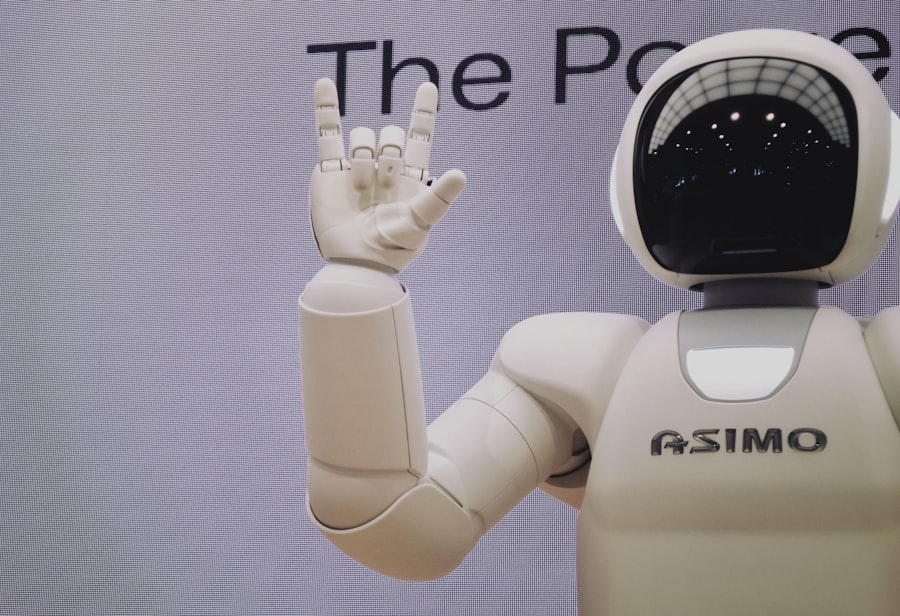
Soft robotics is poised to revolutionize endoscopic and laparoscopic surgery. Imagine an endoscope that can actively steer itself through the digestive tract or a laparoscopic manipulator that can adapt its grip to the unique shape of an organ. Soft robotic catheters can be designed to navigate complex vascular networks for interventions like stroke treatment or tumor ablation. The ability to create highly compliant and maneuverable instruments is key to accessing and treating conditions with unprecedented minimally invasive approaches.
Robotic Suturing and Tissue Grasping
The delicate nature of suturing and tissue manipulation requires a high degree of control and delicacy. Soft robotic grippers, inspired by the octopus’s suction cups or gecko’s adhesive pads, can provide a gentle yet firm grasp on tissues. This can minimize tissue trauma during procedures and improve the accuracy of suturing, leading to better wound healing and reduced scarring.
Integration with Imaging Technologies
The synergy between soft robotics and advanced imaging techniques, such as augmented reality (AR) and intraoperative imaging, is a critical area of development. Soft robots can be equipped with miniature cameras or sensors that provide high-resolution visual feedback, which can then be overlaid onto patient anatomy in real-time using AR. This combined approach allows surgeons to visualize and interact with internal structures with enhanced precision and confidence.
The Role of Artificial Intelligence in Soft Surgery
Artificial intelligence (AI) plays a crucial role in realizing the full potential of soft surgical robots. AI algorithms can be used to plan surgical paths, control robot movements with greater autonomy, and interpret sensor data for improved decision-making. Machine learning can enable soft robots to learn from surgical data, adapting their behavior to optimize outcomes and minimize errors, essentially teaching the robot to become a more skilled assistant over time.
Challenges and the Path Forward

Material Science and Durability
While advancements in material science are driving the field, challenges remain in optimizing the durability and biocompatibility of soft robotic materials for long-term in-vivo use. The constant flexing and interaction with bodily fluids can degrade some materials, necessitating further research into robust and inert compounds. Ensuring these materials can withstand the rigors of sterilization and repeated use is paramount for clinical translation.
Control and Precision in Dynamic Environments
Controlling soft robots with the same level of precision as their rigid counterparts can be complex, especially in the dynamic and unpredictable environment of the human body. The inherent compliance that provides adaptability also introduces challenges in achieving pinpoint accuracy for highly delicate maneuvers. Developing sophisticated control algorithms that can account for material deformation and external forces is an ongoing area of research.
Bridging the Gap to Clinical Translation
The successful translation of soft robotic surgical systems from the laboratory to the operating room requires rigorous testing, regulatory approval, and comprehensive training for surgeons. Demonstrating clear clinical benefits, such as improved patient outcomes, reduced recovery times, and lower costs, will be essential. The journey from a novel technology to a standard of care is a long one, requiring collaboration between engineers, clinicians, and regulatory bodies.
Cost-Effectiveness and Accessibility
The cost of developing and manufacturing advanced soft robotic systems can be a significant barrier to widespread adoption. Efforts are underway to develop more cost-effective materials and manufacturing processes. Ensuring that these innovative technologies are accessible to healthcare systems globally will be crucial for equitable access to advanced surgical care.
In exploring the advancements in surgical techniques, the article on Robotics Revolution highlights the transformative impact of soft robotics on enhancing precision in medical procedures. This innovative approach not only improves the dexterity of surgical instruments but also reduces the risks associated with traditional methods. As the field continues to evolve, the integration of soft robotics promises to redefine the standards of care and patient outcomes in surgery.
The Future Landscape of Surgical Precision
| Metric | Value | Description |
|---|---|---|
| Precision Improvement | 30-50% | Estimated increase in surgical precision using soft robotics compared to traditional robotic systems |
| Flexibility Range | Up to 180° | Maximum bending angle of soft robotic surgical instruments enabling access to hard-to-reach areas |
| Response Time | Less than 50 ms | Time taken for soft robotic systems to respond to surgeon’s commands, enhancing real-time control |
| Force Sensitivity | 0.01 N | Minimum detectable force by soft robotic sensors, allowing delicate tissue manipulation |
| Reduction in Recovery Time | 20-40% | Decrease in patient recovery time due to minimally invasive soft robotic surgeries |
| Operating Room Integration | 95% | Percentage of current surgical suites compatible with soft robotic systems |
| Training Time for Surgeons | 2-4 weeks | Average time required for surgeons to become proficient with soft robotic surgical tools |
Towards Autonomous and Semi-Autonomous Procedures
As control systems and AI integration advance, the prospect of semi-autonomous or even fully autonomous soft robotic surgical procedures becomes more conceivable for certain tasks. This does not imply replacing surgeons but rather augmenting their capabilities, allowing them to focus on the most critical aspects of patient care and complex decision-making. Think of it as having an incredibly skilled surgical assistant capable of performing highly precise, repetitive tasks with unwavering accuracy.
Personalized and Adaptive Surgical Interventions
The inherent adaptability of soft robots lends itself to personalized surgical interventions. Robots can be designed or programmed to adapt to the unique anatomy and physiological conditions of individual patients, leading to more tailored and effective treatments. This move towards hyper-personalized medicine could significantly improve treatment efficacy and reduce adverse events.
Redefining the Surgeon-Patient Relationship
The integration of advanced robotics, including soft robotics, has the potential to reshape the surgeon-patient relationship. Increased precision and reduced invasiveness can lead to faster recovery times and less discomfort for patients, fostering greater trust and satisfaction. Surgeons, armed with these advanced tools, can offer less demanding procedures, fundamentally altering the patient experience.
A New Era of Medical Exploration
Soft robotics represents more than just an evolutionary step in surgical instrumentation; it signifies a revolutionary leap. By granting robots the ability to interact with the human body with unprecedented gentleness and adaptability, we are unlocking new possibilities for diagnosis, treatment, and the overall advancement of medical science. The future of surgery is not just about doing things better; it’s about being able to do things that were previously impossible.