


Swarm robotics is an innovative field that draws inspiration from the collective behavior of social organisms, such as ants, bees, and flocks of birds. In this domain, multiple robots work collaboratively to achieve a common goal, often exhibiting behaviors that are more efficient than those of individual robots. As you delve into the world of swarm robotics, you will discover how these systems can adapt to dynamic environments, communicate with one another, and perform complex tasks with remarkable efficiency. This technology is not just a theoretical concept; it is rapidly becoming a practical solution in various industries, particularly in logistics.
The essence of swarm robotics lies in its decentralized approach. Unlike traditional robotic systems that rely on a central controller, swarm robotics operates on the principle of self-organization. Each robot in the swarm makes decisions based on local information and interactions with its peers. This allows for greater flexibility and resilience in operations, making swarm robotics an attractive option for modern logistics challenges. As you explore this fascinating field, you will uncover the myriad ways in which swarm robotics is poised to transform the logistics landscape.
In exploring the advancements in swarm robotics within modern logistics, it is essential to consider related insights that delve into the broader implications of automation in supply chain management. A pertinent article that discusses the transformative impact of robotics on logistics operations can be found at this link. This resource provides an in-depth analysis of how innovative technologies are reshaping the logistics landscape, complementing the themes presented in “Robotics Revolution: The Evolution of Swarm Robotics in Modern Logistics.”
The History of Swarm Robotics
The concept of swarm robotics can be traced back to the early 1990s when researchers began to study the collective behavior of social insects. Pioneering work by scientists like E.O. Wilson and others laid the groundwork for understanding how simple agents could work together to solve complex problems. As you look back at the history of swarm robotics, you will see how these early studies inspired the development of algorithms and models that mimic natural swarming behaviors.
In the late 1990s and early 2000s, advancements in robotics and artificial intelligence led to significant progress in swarm robotics research. Researchers began to develop algorithms that allowed robots to communicate and coordinate their actions effectively. The introduction of low-cost sensors and actuators further accelerated this field, enabling the creation of small, agile robots capable of working together in various environments. As you trace this evolution, you will appreciate how far swarm robotics has come and how it has laid the foundation for its current applications in logistics and beyond.
The Role of Swarm Robotics in Modern Logistics

In today’s fast-paced world, logistics plays a crucial role in ensuring that goods are delivered efficiently and on time. Swarm robotics has emerged as a game-changer in this sector, offering innovative solutions to age-old challenges. As you examine the role of swarm robotics in modern logistics, you will find that these systems can optimize warehouse operations, streamline inventory management, and enhance last-mile delivery processes.
One of the most significant contributions of swarm robotics to logistics is its ability to automate repetitive tasks. For instance, swarms of robots can work together to pick and pack items in warehouses, significantly reducing the time required for these processes. Additionally, swarm robotics can improve inventory accuracy by continuously monitoring stock levels and adjusting operations accordingly. As you consider these advancements, it becomes clear that swarm robotics is not just a technological novelty; it is a vital component of efficient logistics operations.
Advantages of Swarm Robotics in Logistics
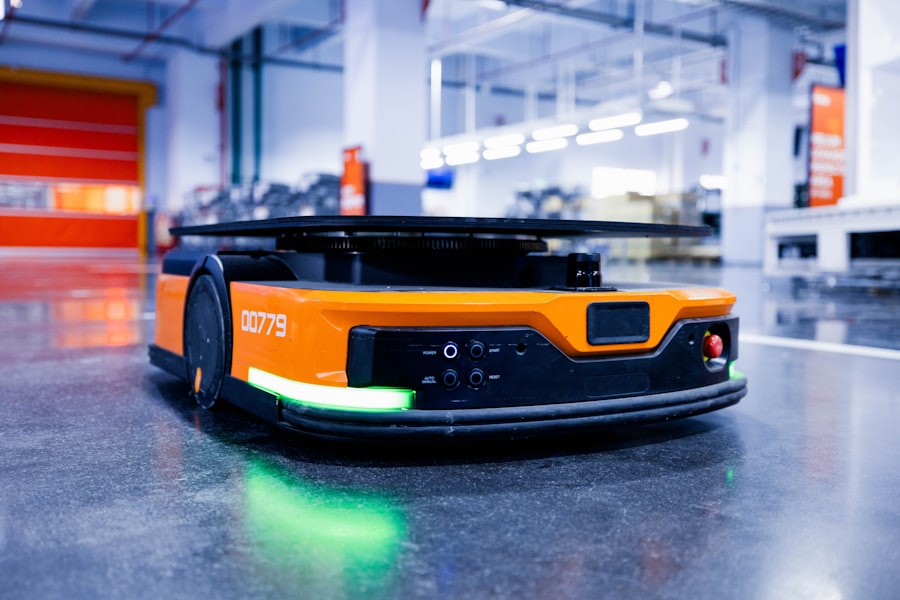
The advantages of swarm robotics in logistics are manifold. One of the most compelling benefits is increased efficiency. By deploying multiple robots that can work simultaneously on different tasks, logistics companies can significantly reduce operational time and costs. This parallel processing capability allows for faster order fulfillment and improved customer satisfaction. As you explore these advantages further, you will see how swarm robotics can lead to a more agile supply chain.
Another key advantage is scalability. Swarm robotic systems can easily be scaled up or down based on demand fluctuations. If a company experiences a sudden surge in orders, it can deploy additional robots to meet the increased workload without the need for extensive reconfiguration or additional infrastructure. This flexibility is particularly valuable in today’s ever-changing market conditions. As you reflect on these benefits, it becomes evident that swarm robotics offers logistics companies a competitive edge in an increasingly crowded marketplace.
In exploring the advancements in swarm robotics and their impact on modern logistics, it is worth reading an insightful article on the broader implications of technological innovations in various industries. This article delves into how these innovations are shaping the future of work and enhancing efficiency across sectors. For more information, you can check out the article here. Understanding these trends can provide valuable context for the ongoing Robotics Revolution and the transformative role of swarm robotics in logistics.
Challenges and Limitations of Swarm Robotics in Logistics
| Metrics | Data |
|---|---|
| Number of robots in a swarm | 10-1000 |
| Speed of individual robots | 0.1-1 m/s |
| Communication range | 10-100 meters |
| Task completion time | 20-50% faster than traditional methods |
| Energy consumption | Lower than individual robots |
Despite its many advantages, swarm robotics also faces several challenges and limitations in logistics applications. One significant hurdle is the complexity of coordinating multiple robots effectively. While decentralized systems offer flexibility, they also require sophisticated algorithms to ensure that robots can communicate and collaborate without conflicts. As you consider this challenge, you will recognize the importance of ongoing research and development in creating more robust coordination strategies.
Another limitation is the reliance on technology and infrastructure. While swarm robotics can enhance efficiency, it also requires a reliable technological framework to function optimally. Issues such as connectivity problems or hardware malfunctions can disrupt operations and lead to inefficiencies. As you ponder these challenges, it becomes clear that while swarm robotics holds great promise for logistics, careful planning and investment are essential to mitigate potential risks.
Case Studies of Successful Implementation of Swarm Robotics in Logistics
To truly appreciate the impact of swarm robotics in logistics, examining real-world case studies can provide valuable insights. One notable example is Amazon’s use of robotic systems in its fulfillment centers. By employing fleets of autonomous robots that work collaboratively to transport goods throughout the warehouse, Amazon has significantly improved its order processing times and reduced operational costs. As you analyze this case study, you will see how swarm robotics has enabled Amazon to maintain its competitive edge in e-commerce.
Another compelling case is that of DHL, which has experimented with swarm robotic systems for last-mile delivery solutions. By deploying small autonomous delivery robots that can navigate urban environments collaboratively, DHL has enhanced its delivery efficiency while reducing traffic congestion. This innovative approach not only improves service levels but also aligns with sustainability goals by minimizing carbon emissions associated with traditional delivery methods. As you explore these case studies, it becomes evident that successful implementation of swarm robotics can lead to transformative changes in logistics operations.
The Future of Swarm Robotics in Logistics
As you look ahead to the future of swarm robotics in logistics, it is clear that this technology will continue to evolve and expand its applications. With advancements in artificial intelligence and machine learning, swarm robotic systems are expected to become even more intelligent and capable of handling complex tasks autonomously. This evolution will likely lead to increased adoption across various sectors within logistics, from warehousing to transportation.
Moreover, as consumer expectations continue to rise for faster delivery times and personalized services, swarm robotics will play a pivotal role in meeting these demands. The ability to deploy fleets of robots that can adapt to changing conditions will be crucial for logistics companies striving to remain competitive. As you contemplate these future possibilities, it becomes apparent that swarm robotics has the potential to redefine how goods are moved and managed within supply chains.
Ethical Considerations in the Use of Swarm Robotics in Logistics
While the benefits of swarm robotics are substantial, ethical considerations must also be addressed as this technology becomes more prevalent in logistics. One primary concern revolves around job displacement. As automation increases through the use of robotic systems, there is a legitimate fear that human workers may be replaced or marginalized within the workforce. As you reflect on this issue, it is essential to consider how companies can balance technological advancement with social responsibility.
Another ethical consideration involves data privacy and security. Swarm robotic systems often rely on vast amounts of data for effective operation, raising concerns about how this data is collected, stored, and used. Ensuring that customer information remains secure while leveraging data for operational efficiency is a critical challenge that logistics companies must navigate as they adopt swarm robotics technologies. As you ponder these ethical dilemmas, it becomes clear that responsible implementation will be key to fostering public trust in swarm robotics.
The Impact of Swarm Robotics on the Labor Force in Logistics
The integration of swarm robotics into logistics will undoubtedly have profound implications for the labor force within this sector. On one hand, automation may lead to job displacement for certain roles traditionally performed by humans, particularly those involving repetitive tasks such as picking and packing items in warehouses. As you consider this impact, it is crucial to recognize that while some jobs may be lost, new opportunities will also emerge as companies seek skilled workers to manage and maintain robotic systems.
Moreover, the shift towards automation may necessitate a reevaluation of workforce training programs. As logistics companies adopt advanced technologies like swarm robotics, there will be an increasing demand for workers with expertise in robotics programming, data analysis, and system management. This shift presents an opportunity for educational institutions and training programs to adapt their curricula to prepare workers for the future labor market. As you reflect on these changes, it becomes evident that while challenges exist, there are also opportunities for growth and development within the labor force.
The Integration of Artificial Intelligence in Swarm Robotics for Logistics
Artificial intelligence (AI) plays a crucial role in enhancing the capabilities of swarm robotics within logistics applications. By integrating AI algorithms into robotic systems, companies can improve decision-making processes and enable robots to learn from their experiences over time. This integration allows swarms to adapt their behaviors based on real-time data inputs and environmental changes, leading to more efficient operations.
For instance, AI-powered swarm robots can analyze traffic patterns or warehouse layouts to optimize their routes and minimize delays during deliveries or inventory management tasks. This level of intelligence not only enhances operational efficiency but also contributes to better resource allocation within logistics networks. As you explore this integration further, it becomes clear that AI will be instrumental in unlocking the full potential of swarm robotics in logistics.
The Potential of Swarm Robotics to Revolutionize Modern Logistics
In conclusion, swarm robotics represents a transformative force within modern logistics, offering innovative solutions to longstanding challenges while enhancing efficiency and scalability. As you have seen throughout this exploration, the history of swarm robotics has paved the way for its current applications and future potential across various sectors within logistics.
While challenges remain—such as ethical considerations and workforce impacts—the advantages offered by swarm robotics are undeniable. With continued advancements in technology and AI integration, swarm robotics is poised to revolutionize how goods are managed and delivered worldwide. As you reflect on this potential transformation, it becomes evident that embracing swarm robotics could lead not only to improved operational efficiencies but also to a more sustainable future for logistics as a whole.