


As you step into the world of modern agriculture, you may find yourself captivated by the rapid advancements in technology that are reshaping the landscape of farming. Among these innovations, precision robotics stands out as a transformative force, revolutionizing how crops are cultivated, monitored, and harvested. This technology integrates robotics with data analytics, enabling farmers to optimize their operations and make informed decisions based on real-time information. The marriage of robotics and agriculture is not merely a trend; it represents a paradigm shift that promises to enhance productivity and sustainability in the sector.
Precision robotics encompasses a range of automated systems designed to perform specific agricultural tasks with remarkable accuracy. From planting seeds to monitoring crop health, these robots are equipped with advanced sensors and artificial intelligence, allowing them to operate autonomously or semi-autonomously. As you delve deeper into this field, you will discover how precision robotics can address some of the most pressing challenges faced by farmers today, including labor shortages, resource management, and environmental sustainability. The journey into precision robotics is not just about technology; it’s about reimagining the future of agriculture itself.
In exploring the advancements in agricultural technology, the article “Robotics Revolution: Precision Robotics and the Transformation of Agriculture” highlights the significant impact of robotics on farming practices. For further insights into how these innovations are shaping the future of food production, you can read a related article that delves into the integration of AI and machine learning in agriculture. This complementary piece can be found at this link.
The Role of Precision Robotics in Increasing Efficiency
When you consider the demands of modern agriculture, efficiency emerges as a critical factor for success. Precision robotics plays a pivotal role in enhancing operational efficiency by automating repetitive tasks that would otherwise require significant human labor. For instance, robotic systems can plant seeds with pinpoint accuracy, ensuring optimal spacing and depth, which can lead to better germination rates and healthier plants. This level of precision minimizes waste and maximizes resource utilization, allowing you to achieve more with less.
Moreover, precision robotics can significantly reduce the time required for various agricultural processes. Tasks such as weeding, fertilizing, and harvesting can be performed at a speed and accuracy that far surpasses traditional methods. By employing robotic systems, you can free up valuable time and resources that can be redirected toward other essential activities on the farm. This increased efficiency not only boosts productivity but also contributes to a more sustainable approach to agriculture by reducing the overall environmental footprint of farming operations.
Advantages of Precision Robotics in Agriculture
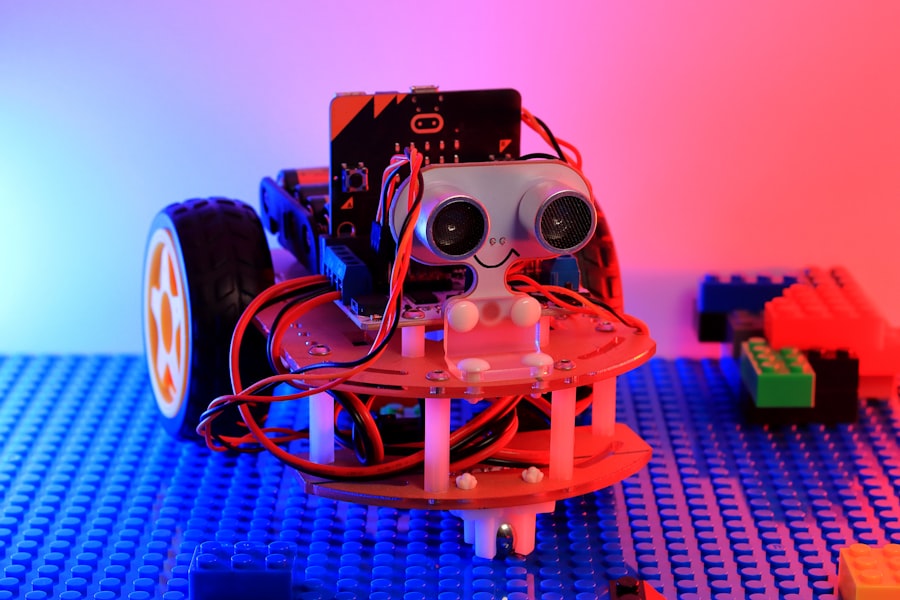
The advantages of precision robotics in agriculture extend beyond mere efficiency gains. One of the most significant benefits is the ability to collect and analyze vast amounts of data in real-time. As you integrate these robotic systems into your farming practices, you gain access to detailed insights about soil conditions, crop health, and environmental factors. This data-driven approach empowers you to make informed decisions that can lead to improved crop yields and reduced input costs.
Additionally, precision robotics enhances the ability to implement targeted interventions. For example, instead of applying fertilizers or pesticides uniformly across an entire field, robotic systems can identify specific areas that require treatment based on real-time data analysis. This targeted approach not only conserves resources but also minimizes the risk of chemical runoff and environmental contamination. As a result, you can cultivate healthier crops while adhering to sustainable farming practices that benefit both your bottom line and the planet.
Challenges and Limitations of Precision Robotics in Agriculture

Despite the numerous advantages that precision robotics offers, there are challenges and limitations that you must consider as you explore this technology. One significant hurdle is the initial investment required for implementing robotic systems. The cost of purchasing and maintaining advanced machinery can be prohibitive for many farmers, particularly those operating on smaller scales. As you weigh the potential benefits against the financial implications, it’s essential to develop a clear understanding of your return on investment.
Another challenge lies in the integration of precision robotics with existing farming practices. Transitioning from traditional methods to automated systems requires not only financial resources but also a willingness to adapt and learn new skills. You may encounter resistance from workers who fear job displacement or from those who are hesitant to embrace new technologies. Overcoming these barriers necessitates effective communication and training programs that highlight the benefits of precision robotics while addressing concerns about job security.
The advancements in precision robotics are not only transforming agriculture but also influencing various other sectors. For instance, an insightful article on the impact of automation in manufacturing can be found here. This piece highlights how robotics is streamlining production processes, much like how precision robotics is enhancing efficiency in farming practices. As technology continues to evolve, the parallels between these industries become increasingly evident, showcasing the broader implications of robotics in our daily lives.
The Impact of Precision Robotics on Crop Yield and Quality
| Metrics | Data |
|---|---|
| Number of precision robotics in agriculture | Increasing |
| Efficiency improvement | 20-30% |
| Reduction in chemical usage | Up to 90% |
| Labor cost savings | Significant |
As you delve deeper into the impact of precision robotics on crop yield and quality, it becomes evident that these technologies can significantly enhance agricultural outcomes. By utilizing data-driven insights and precise interventions, you can optimize growing conditions for your crops. For instance, robotic systems equipped with sensors can monitor soil moisture levels and adjust irrigation accordingly, ensuring that plants receive the right amount of water at the right time. This level of precision not only promotes healthier growth but also contributes to higher yields.
Furthermore, precision robotics allows for continuous monitoring of crop health throughout the growing season. By employing drones or ground-based robots equipped with imaging technology, you can detect early signs of disease or pest infestations before they escalate into larger problems. This proactive approach enables you to take timely action, ultimately preserving both crop quality and yield potential. As you embrace these technologies, you will likely witness a marked improvement in the overall health and productivity of your agricultural operations.
Precision Robotics and Sustainable Agriculture Practices
In an era where sustainability is paramount, precision robotics aligns seamlessly with sustainable agriculture practices. As you adopt these technologies, you contribute to a more environmentally friendly approach to farming that prioritizes resource conservation and minimizes ecological impact. For example, precision irrigation systems can significantly reduce water usage by delivering moisture directly to plant roots based on real-time data analysis. This targeted approach not only conserves water but also enhances soil health by preventing over-saturation.
Moreover, precision robotics facilitates reduced reliance on chemical inputs through targeted application methods. By applying fertilizers or pesticides only where needed, you minimize chemical runoff into surrounding ecosystems while promoting healthier soil microbiomes. This commitment to sustainable practices not only benefits your farm’s productivity but also enhances your reputation as a responsible steward of the land. As consumers increasingly seek out sustainably produced food, your adoption of precision robotics positions you favorably in a competitive market.
The Integration of Artificial Intelligence in Precision Robotics
Artificial intelligence (AI) serves as a cornerstone for the advancement of precision robotics in agriculture. As you explore this integration further, you’ll find that AI enhances the capabilities of robotic systems by enabling them to learn from data patterns and make autonomous decisions. For instance, AI algorithms can analyze historical weather data alongside real-time environmental conditions to predict optimal planting times or harvest windows. This predictive capability empowers you to make proactive decisions that align with nature’s rhythms.
Additionally, AI-driven analytics can optimize resource allocation by identifying inefficiencies within your farming operations. By analyzing data from various sources—such as soil sensors, weather stations, and crop health monitors—AI can provide actionable insights that help you streamline processes and reduce waste. As you harness the power of AI in conjunction with precision robotics, you’ll find yourself equipped with tools that not only enhance productivity but also foster a deeper understanding of your agricultural ecosystem.
The Future of Precision Robotics in Agriculture
Looking ahead, the future of precision robotics in agriculture appears promising and full of potential. As technology continues to evolve at an unprecedented pace, you can expect even more sophisticated robotic systems capable of performing complex tasks with greater autonomy and efficiency. Innovations such as autonomous tractors equipped with advanced navigation systems or drones capable of multi-spectral imaging will likely become commonplace on farms around the world.
Moreover, as data analytics and AI capabilities advance further, you’ll find that decision-making processes become increasingly streamlined and informed. The integration of blockchain technology may also play a role in enhancing traceability within agricultural supply chains, providing consumers with greater transparency regarding the origins of their food. As these trends unfold, your ability to adapt and embrace new technologies will be crucial in maintaining competitiveness in an ever-evolving agricultural landscape.
Precision Robotics and the Labor Force in Agriculture
The introduction of precision robotics into agriculture inevitably raises questions about its impact on the labor force within the sector. While some may fear job displacement due to automation, it’s essential to recognize that these technologies can also create new opportunities for skilled workers. As you implement robotic systems on your farm, there will be an increased demand for individuals who possess technical expertise in operating and maintaining these advanced machines.
Furthermore, precision robotics can alleviate some of the labor shortages faced by farmers today. With fewer individuals willing to engage in physically demanding agricultural work, automation provides a viable solution that allows you to maintain productivity levels without compromising quality. By embracing this technology, you position yourself as a forward-thinking employer who values innovation while also providing opportunities for workers to develop new skills in an evolving industry.
Case Studies of Successful Implementation of Precision Robotics in Agriculture
To truly appreciate the transformative potential of precision robotics in agriculture, examining case studies of successful implementation can be enlightening. For instance, consider a vineyard that adopted robotic grape harvesters equipped with advanced sensors and AI algorithms. By automating the harvesting process, this vineyard not only increased efficiency but also improved grape quality by ensuring optimal timing for harvest based on ripeness levels detected by the robots.
Another compelling example is a large-scale vegetable farm that integrated drones for crop monitoring and analysis. By utilizing aerial imagery captured by drones equipped with multispectral cameras, this farm was able to identify areas requiring irrigation or pest control interventions promptly. The result was a significant reduction in resource waste and an increase in overall crop yield—demonstrating how precision robotics can lead to tangible benefits for farmers willing to embrace innovation.
The Potential of Precision Robotics to Transform Agriculture
In conclusion, as you navigate through the complexities of modern agriculture, it becomes clear that precision robotics holds immense potential to transform the industry fundamentally. From increasing efficiency and enhancing crop yield to promoting sustainable practices and reshaping labor dynamics, these technologies offer solutions to some of agriculture’s most pressing challenges. By embracing precision robotics, you position yourself at the forefront of a movement that prioritizes innovation while fostering environmental stewardship.
As you look toward the future, consider how integrating precision robotics into your farming practices can not only enhance your productivity but also contribute positively to global food security and sustainability efforts. The journey may come with challenges; however, the rewards—both for your farm and for the planet—are well worth pursuing as we collectively strive for a more efficient and sustainable agricultural landscape.