

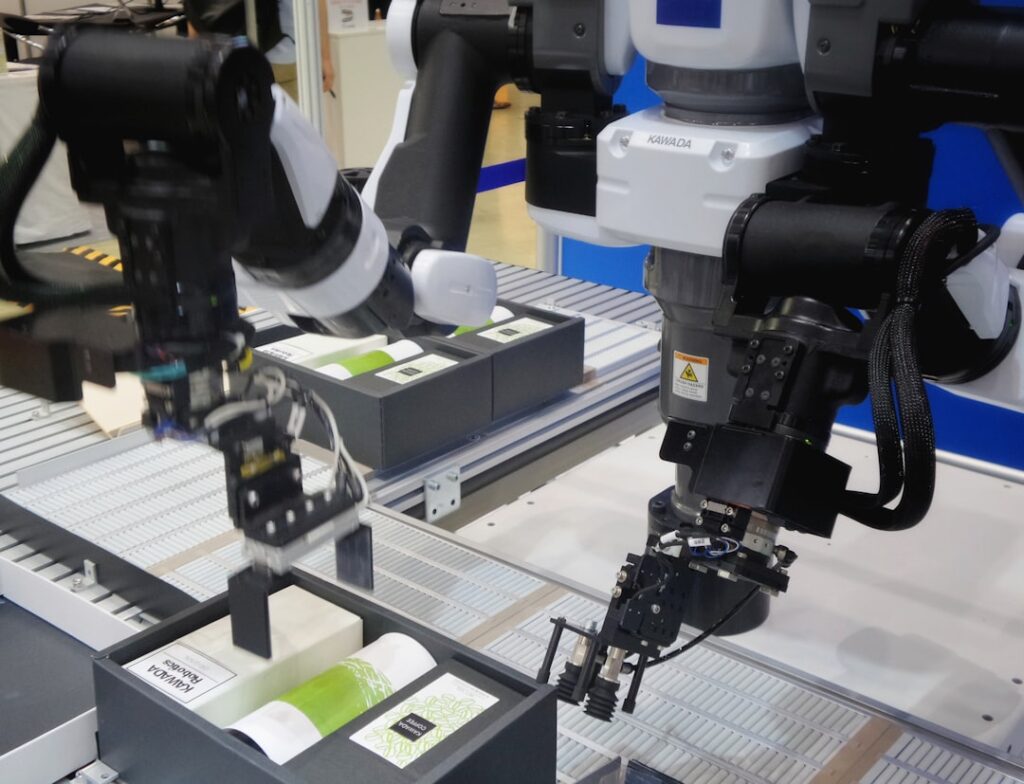
In the rapidly evolving landscape of modern manufacturing, collaborative robots, or cobots, have emerged as a transformative force. Unlike traditional industrial robots that operate in isolation, cobots are designed to work alongside human operators, enhancing productivity and efficiency while ensuring a safer work environment. You may find yourself intrigued by how these machines are reshaping the way tasks are performed on the factory floor. Cobots are equipped with advanced sensors and artificial intelligence, allowing them to adapt to their surroundings and interact seamlessly with human workers.
The rise of cobots signifies a shift in the manufacturing paradigm, where automation is no longer viewed as a threat to jobs but rather as a means to augment human capabilities. As you delve deeper into the world of cobots, you will discover that they are not just tools but partners in the manufacturing process. Their ability to take on repetitive and physically demanding tasks frees up human workers to focus on more complex and creative aspects of production, fostering a collaborative environment that benefits both parties.
The rise of collaborative robots, or cobots, in smart manufacturing is transforming the landscape of industrial automation, enhancing productivity while ensuring safety in human-robot interactions. For a deeper understanding of this trend, you can explore the related article on the implications of robotics in modern manufacturing processes. To read more about the advancements and challenges in this field, visit this article.
The Evolution of Robotics in Manufacturing
The journey of robotics in manufacturing has been nothing short of remarkable. Initially, industrial robots were large, cumbersome machines confined to specific tasks within isolated work cells. These robots were primarily used for heavy lifting and repetitive tasks, often requiring extensive programming and maintenance. As you explore this evolution, you will notice that the introduction of more sophisticated technologies has paved the way for a new generation of robots that are more versatile and user-friendly.
Over the years, advancements in robotics have led to the development of smaller, more agile machines capable of performing a wider range of tasks. The integration of artificial intelligence and machine learning has further enhanced their capabilities, allowing them to learn from their environment and improve their performance over time. This evolution has culminated in the emergence of cobots, which are designed specifically for collaboration with human workers. You may find it fascinating how this shift has not only increased efficiency but also transformed the workforce dynamics within manufacturing environments.
Advantages of Collaborative Robots in Smart Manufacturing
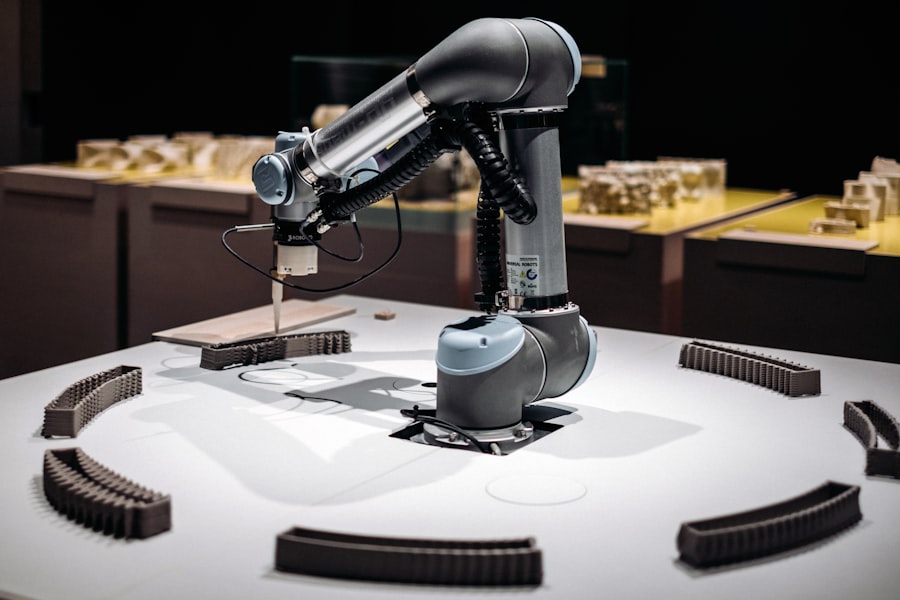
The advantages of incorporating cobots into smart manufacturing processes are numerous and compelling. One of the most significant benefits is their ability to enhance productivity. Cobots can operate continuously without fatigue, taking on repetitive tasks that would otherwise drain human workers. This allows your team to focus on higher-value activities that require critical thinking and creativity, ultimately leading to improved overall efficiency.
Moreover, cobots are designed with flexibility in mind. They can be easily reprogrammed and adapted to different tasks, making them ideal for dynamic manufacturing environments where product lines frequently change. This adaptability means that you can respond more quickly to market demands without incurring significant downtime or costs associated with retooling. Additionally, cobots can work in tandem with existing machinery, integrating seamlessly into your current operations and maximizing your return on investment.
Safety Features and Standards for Cobots in the Workplace
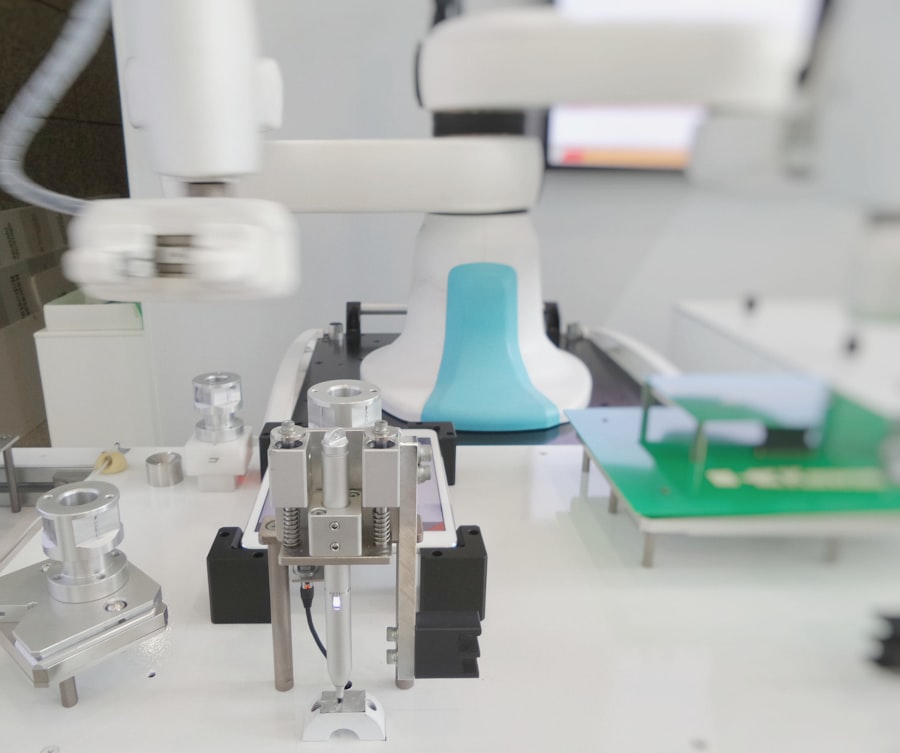
Safety is paramount in any manufacturing setting, and cobots are engineered with this principle at their core. You will find that these robots come equipped with a variety of safety features designed to protect human workers while they collaborate on the production floor. For instance, many cobots utilize advanced sensors that detect the presence of nearby individuals, allowing them to slow down or stop their movements if someone enters their workspace unexpectedly.
In addition to built-in safety mechanisms, there are also industry standards and regulations governing the use of cobots in the workplace. Organizations such as ISO (International Organization for Standardization) have established guidelines to ensure that collaborative robots meet stringent safety requirements. As you consider implementing cobots in your operations, it is essential to familiarize yourself with these standards to ensure compliance and maintain a safe working environment for all employees.
In the context of the Robotics Revolution, the emergence of collaborative robots, or cobots, is transforming smart manufacturing by enhancing efficiency and safety in the workplace. These advanced machines work alongside human operators, streamlining processes and reducing the risk of workplace injuries. For those interested in the broader implications of technology in the workforce, an insightful article discusses the future of ethical AI and its role in eliminating bias and promoting inclusivity. You can read more about this important topic in the article on ethical AI.
The Role of Artificial Intelligence in Collaborative Robots
| Metrics | 2018 | 2019 | 2020 |
|---|---|---|---|
| Global cobot market size (USD) | 580 million | 710 million | 850 million |
| Number of cobot units sold | 14,000 | 18,000 | 22,000 |
| Percentage of manufacturers using cobots | 25% | 30% | 35% |
| Projected annual growth rate | 30% | 35% | 40% |
Artificial intelligence plays a crucial role in enhancing the capabilities of collaborative robots. By leveraging AI algorithms, cobots can analyze data from their surroundings and make real-time decisions based on that information. This ability allows them to adapt to changing conditions on the factory floor, improving their efficiency and effectiveness in performing tasks. As you explore this aspect of cobots, you will appreciate how AI enables them to learn from experience, making them increasingly valuable over time.
Furthermore, AI-driven cobots can facilitate predictive maintenance by monitoring their own performance and identifying potential issues before they escalate into costly breakdowns. This proactive approach not only minimizes downtime but also extends the lifespan of the equipment. As you consider the integration of AI into your manufacturing processes, you will likely recognize the potential for significant improvements in operational efficiency and cost savings.
In the context of the ongoing Robotics Revolution, the emergence of collaborative robots, or cobots, is transforming smart manufacturing processes. These innovative machines are designed to work alongside human operators, enhancing productivity and safety in various industrial settings. For a deeper understanding of how these technologies are reshaping the manufacturing landscape, you can explore a related article that delves into the latest advancements in this field. To read more about these developments, visit this insightful resource.
Integration of Cobots with Human Workers
The successful integration of cobots into your workforce hinges on fostering a collaborative environment where humans and machines can work together harmoniously. You may find it beneficial to involve your employees in the planning and implementation stages of cobot deployment. By soliciting their input and addressing any concerns they may have, you can create a sense of ownership and acceptance around the new technology.
Training is also a critical component of this integration process. Ensuring that your workforce is adequately trained to work alongside cobots will help alleviate fears about job displacement and promote a culture of collaboration. As you invest in training programs that emphasize teamwork between humans and machines, you will likely see an increase in productivity and morale among your employees.
Case Studies of Successful Implementation of Cobots in Manufacturing
Examining real-world examples of successful cobot implementation can provide valuable insights into their potential benefits. For instance, consider a leading automotive manufacturer that integrated cobots into its assembly line. By assigning cobots to handle repetitive tasks such as screwing and fastening components, the company was able to reduce production time significantly while maintaining high-quality standards. You may find it inspiring how this approach not only improved efficiency but also allowed human workers to focus on more complex assembly tasks.
Another compelling case study involves a consumer electronics company that utilized cobots for packaging operations. By deploying collaborative robots to assist with sorting and packing products, the company was able to streamline its workflow and reduce labor costs. The integration of cobots not only enhanced productivity but also improved employee satisfaction by alleviating the physical strain associated with manual packaging tasks. As you explore these success stories, you may be encouraged to consider how similar strategies could be applied within your own organization.
Challenges and Limitations of Collaborative Robots in Smart Manufacturing
Despite their many advantages, cobots are not without challenges and limitations. One significant concern is the initial investment required for implementation. While cobots can lead to long-term cost savings, the upfront costs associated with purchasing and integrating these machines can be daunting for some manufacturers. You may need to carefully evaluate your budget and consider potential financing options before committing to a cobot deployment.
Additionally, there may be technical challenges related to programming and maintaining cobots. While many models are designed for ease of use, there is still a learning curve associated with their operation. Ensuring that your workforce is adequately trained to handle these machines is essential for maximizing their potential benefits. As you navigate these challenges, it is crucial to weigh the long-term advantages against the initial hurdles you may encounter.
Training and Skill Development for Operating and Maintaining Cobots
To fully harness the potential of collaborative robots, investing in training and skill development is essential. You will want to ensure that your employees are equipped with the knowledge and skills necessary to operate and maintain cobots effectively. This may involve providing hands-on training sessions that cover everything from basic operation to troubleshooting common issues.
Moreover, fostering a culture of continuous learning will help your workforce adapt to evolving technologies in manufacturing. Encouraging employees to pursue additional training or certifications related to robotics can enhance their skill sets and increase their value within your organization. As you prioritize training initiatives, you will likely see improved confidence among your employees when working alongside cobots.
Future Trends and Innovations in Collaborative Robotics
As technology continues to advance at an unprecedented pace, the future of collaborative robotics holds exciting possibilities. You may find it intriguing how emerging trends such as enhanced AI capabilities, improved sensor technology, and advanced machine learning algorithms are set to revolutionize the capabilities of cobots even further. These innovations will enable cobots to perform increasingly complex tasks while working alongside human operators.
Additionally, as industries continue to embrace Industry 4.0 principles, the integration of IoT (Internet of Things) technology with cobots will create new opportunities for data-driven decision-making and process optimization. You might envision a future where cobots communicate seamlessly with other machines and systems within your manufacturing environment, leading to unprecedented levels of efficiency and productivity.
The Impact of Cobots on Smart Manufacturing
In conclusion, collaborative robots are poised to have a profound impact on smart manufacturing as they redefine the relationship between humans and machines on the factory floor. By enhancing productivity, improving safety standards, and fostering collaboration among workers, cobots represent a significant advancement in manufacturing technology. As you consider the potential benefits of integrating cobots into your operations, it is essential to weigh both the advantages and challenges they present.
The journey toward successful cobot implementation requires careful planning, training, and a commitment to fostering a culture of collaboration within your workforce. As you embrace this innovative technology, you will likely find that cobots not only enhance operational efficiency but also empower your employees to thrive in an increasingly automated world. The future of manufacturing is bright with collaborative robots leading the way toward smarter, more efficient production processes.