

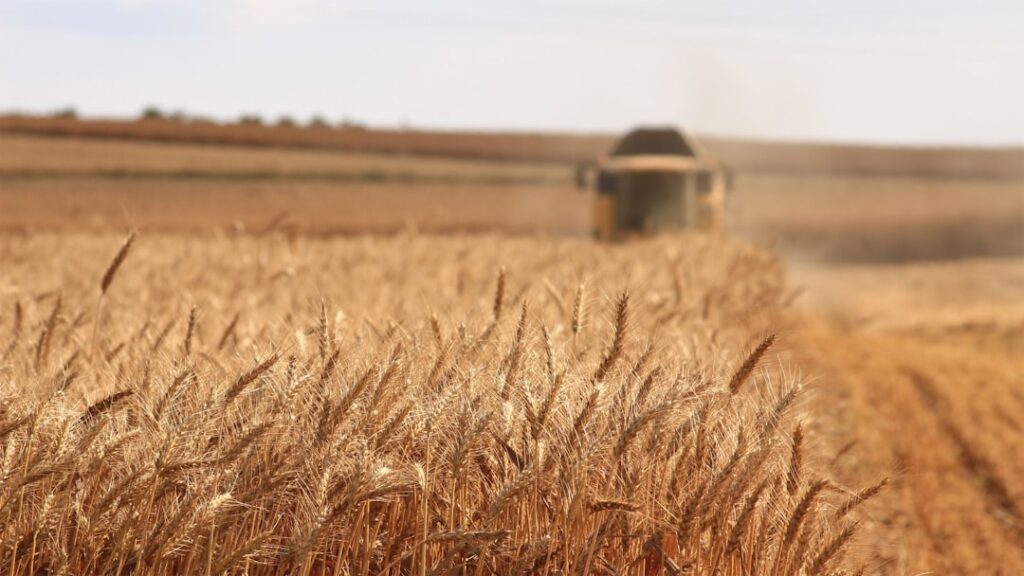
As you step into the world of modern farming, you may find yourself captivated by the concept of precision agriculture. This innovative approach leverages technology to enhance crop yields while minimizing environmental impact. By utilizing data-driven techniques, farmers can make informed decisions that lead to more efficient resource use and sustainable practices. Precision agriculture is not merely a trend; it represents a fundamental shift in how you can approach farming, ensuring that you meet the growing demands for food while preserving the planet’s resources.
In essence, precision agriculture involves the use of advanced technologies such as GPS, sensors, and drones to gather real-time data about soil conditions, crop health, and weather patterns. This wealth of information allows you to tailor your farming practices to the specific needs of your crops and land. As you delve deeper into this field, you’ll discover how precision agriculture can help you optimize inputs like water, fertilizers, and pesticides, ultimately leading to healthier crops and a more sustainable farming operation.
In the context of Sustainable Tech Solutions, a related article that delves into the intersection of technology and agriculture is “Precision Agriculture: AI for Sustainable Food Systems.” This article explores how artificial intelligence is revolutionizing farming practices, enabling more efficient resource use and reducing environmental impact. For further insights on sustainable practices and innovations, you can visit the following link: here.
The Role of AI in Sustainable Food Systems
Artificial intelligence (AI) is rapidly becoming a cornerstone of sustainable food systems, and as a farmer or agricultural professional, you stand to benefit immensely from its capabilities. AI can analyze vast amounts of data quickly and accurately, providing insights that were previously unattainable. By integrating AI into your farming practices, you can enhance decision-making processes, predict crop yields, and even identify potential pest infestations before they become a significant issue.
Moreover, AI can help streamline supply chains by predicting demand and optimizing logistics. This means that you can reduce waste and ensure that your produce reaches consumers in the freshest state possible. As you embrace AI technologies, you’ll find that they not only improve efficiency but also contribute to a more sustainable food system by minimizing resource use and reducing carbon footprints.
Benefits of Precision Agriculture for Sustainable Farming
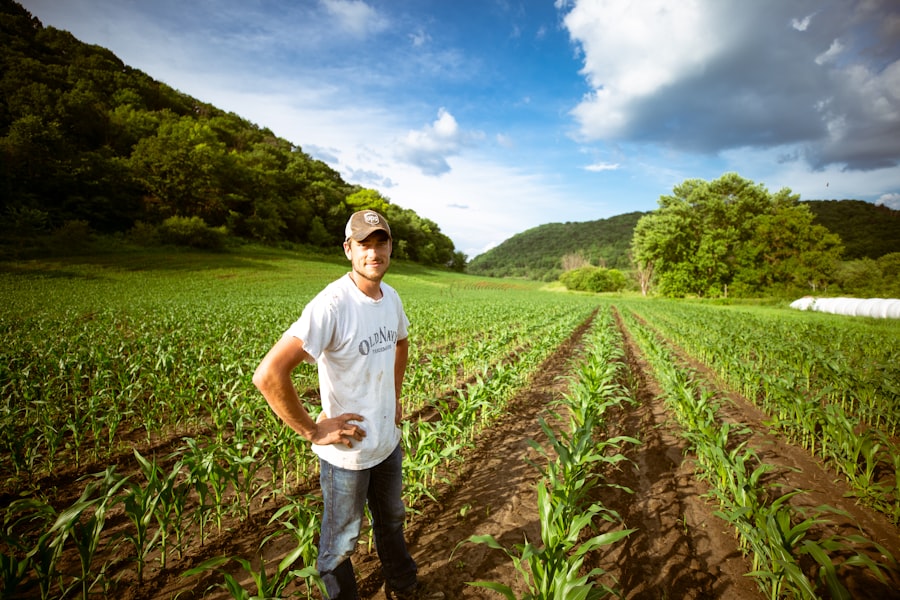
The benefits of precision agriculture extend far beyond mere efficiency; they encompass environmental stewardship and economic viability as well. By adopting precision farming techniques, you can significantly reduce the amount of water and fertilizers needed for crop production. This not only lowers your operational costs but also minimizes the risk of nutrient runoff into nearby waterways, which can lead to harmful algal blooms and other ecological issues.
Additionally, precision agriculture allows for better crop management through targeted interventions. For instance, by using soil sensors to monitor moisture levels, you can irrigate only when necessary, conserving water resources. This targeted approach not only enhances crop health but also contributes to the overall sustainability of your farming practices. As you implement these techniques, you’ll likely notice an improvement in both yield quality and quantity, making precision agriculture a win-win for both your farm and the environment.
How AI is Revolutionizing Crop Monitoring and Management
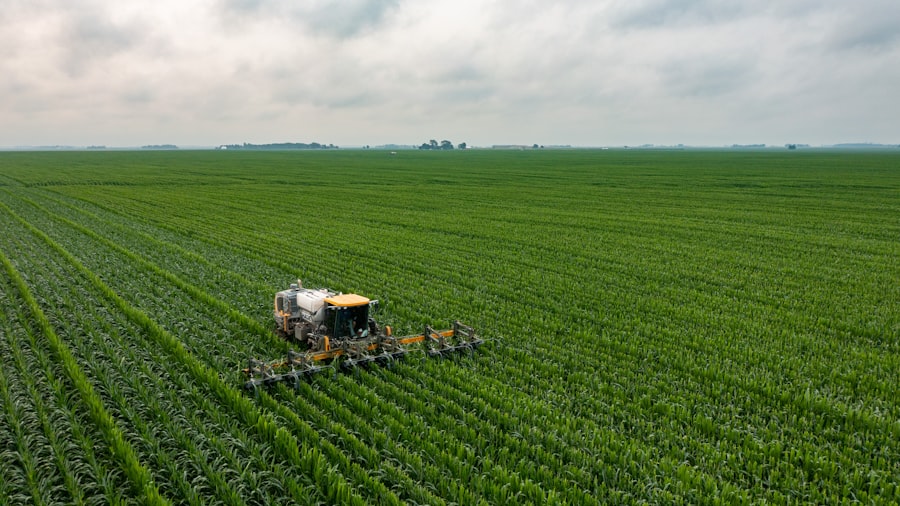
AI is transforming the way you monitor and manage crops, providing tools that were once unimaginable. With the help of machine learning algorithms and computer vision technology, you can analyze images captured by drones or satellites to assess crop health in real time. This capability allows you to identify issues such as nutrient deficiencies or pest infestations early on, enabling timely interventions that can save your harvest.
Furthermore, AI-driven platforms can integrate data from various sources—such as weather forecasts, soil conditions, and historical yield data—to create predictive models tailored to your specific farm. These models can guide your planting schedules, irrigation practices, and fertilization strategies, ensuring that you make the most informed decisions possible. As you harness the power of AI in crop monitoring and management, you’ll find that it not only enhances productivity but also fosters a deeper understanding of your farming ecosystem.
In exploring the innovative approaches to sustainable food systems, a related article on Sustainable Tech Solutions discusses the role of precision agriculture and how AI is transforming farming practices. This article highlights the benefits of utilizing technology to enhance crop yields while minimizing environmental impact. For more insights into these advancements, you can read the full article here.
The Impact of Precision Agriculture on Water Conservation
| Metrics | Data |
|---|---|
| Yield Prediction | 10-20% increase in crop yield |
| Resource Optimization | 20-30% reduction in water and fertilizer usage |
| Pest Detection | Early detection and prevention of crop diseases |
| Soil Health Monitoring | Real-time monitoring of soil conditions |
Water conservation is a pressing concern in agriculture, especially as climate change exacerbates drought conditions in many regions. Precision agriculture offers innovative solutions to this challenge by enabling you to use water more efficiently than ever before. Through advanced irrigation systems equipped with soil moisture sensors and weather data integration, you can apply water precisely when and where it is needed.
This targeted irrigation approach not only conserves water but also promotes healthier root systems and improved crop resilience. By reducing water waste, you contribute to the sustainability of local water resources while also enhancing your farm’s productivity. As you adopt these practices, you’ll likely find that your overall water usage decreases significantly without compromising crop yields.
In exploring the innovative approaches to sustainable food systems, the article on Precision Agriculture highlights how AI technologies are transforming farming practices. This advancement not only enhances crop yields but also promotes environmental stewardship by optimizing resource use. For those interested in delving deeper into the intersection of technology and sustainability, you can find more information in this related article on Sustainable Tech Solutions.
Integrating Precision Agriculture with Renewable Energy Solutions
As you explore the possibilities of precision agriculture, consider how integrating renewable energy solutions can further enhance your sustainability efforts. Solar panels and wind turbines can provide clean energy to power your farming operations, reducing reliance on fossil fuels and lowering greenhouse gas emissions. By harnessing renewable energy sources, you can create a more self-sufficient farming model that aligns with the principles of precision agriculture.
Moreover, renewable energy can be used to power advanced technologies such as automated irrigation systems and climate-controlled greenhouses. This synergy between precision agriculture and renewable energy not only improves efficiency but also positions your farm as a leader in sustainable practices. As you embrace these innovations, you’ll be contributing to a more resilient agricultural sector that prioritizes environmental stewardship.
The Role of Big Data and Analytics in Sustainable Agriculture
In the age of information, big data plays a crucial role in shaping sustainable agriculture practices. As a farmer, you have access to an unprecedented amount of data—from soil health metrics to market trends—that can inform your decision-making processes. By leveraging analytics tools, you can extract valuable insights from this data to optimize your farming operations.
For instance, analyzing historical yield data alongside current weather patterns can help you identify the best planting times for different crops. Additionally, big data analytics can assist in predicting market demands, allowing you to adjust your production strategies accordingly. As you harness the power of big data in your farming practices, you’ll find that it empowers you to make more informed decisions that enhance both productivity and sustainability.
Precision Agriculture and Climate Change Mitigation
Climate change poses significant challenges for agriculture, but precision agriculture offers viable solutions for mitigating its impacts. By adopting precision farming techniques, you can reduce greenhouse gas emissions associated with traditional farming practices. For example, optimizing fertilizer application not only minimizes nutrient runoff but also decreases nitrous oxide emissions—a potent greenhouse gas.
Furthermore, precision agriculture enables you to implement practices such as cover cropping and reduced tillage more effectively. These methods enhance soil health and sequester carbon dioxide from the atmosphere, contributing to climate change mitigation efforts. As you embrace these strategies, you’ll be playing an active role in combating climate change while ensuring the long-term viability of your farm.
Addressing Food Security through AI-Driven Sustainable Farming
Food security is a global challenge that requires innovative solutions, and AI-driven sustainable farming practices hold great promise in addressing this issue. By optimizing resource use and improving crop yields through precision agriculture techniques, you can contribute to a more stable food supply chain. AI’s ability to analyze data quickly allows for better forecasting of food production needs based on population growth and changing dietary preferences.
Moreover, AI can help identify regions most vulnerable to food insecurity by analyzing factors such as climate conditions and socio-economic data. This information can guide targeted interventions aimed at improving agricultural productivity in those areas. As you engage with AI-driven solutions in your farming practices, you’ll be part of a larger movement working towards global food security.
Challenges and Opportunities in Implementing Precision Agriculture
While the benefits of precision agriculture are clear, implementing these practices does come with its own set of challenges. One significant hurdle is the initial investment required for technology adoption—drones, sensors, and software systems can be costly upfront. However, as you weigh these costs against the long-term savings and increased productivity potential, it becomes evident that precision agriculture is an investment worth considering.
Additionally, there may be a learning curve associated with adopting new technologies and data analysis methods. However, this challenge presents an opportunity for growth; by investing time in education and training, you can position yourself at the forefront of agricultural innovation. As you navigate these challenges, remember that the rewards—both for your farm’s productivity and for environmental sustainability—are well worth the effort.
The Future of Sustainable Tech Solutions in Agriculture
Looking ahead, the future of sustainable tech solutions in agriculture appears bright. As technology continues to evolve at a rapid pace, new innovations will emerge that further enhance precision agriculture practices. From advancements in AI algorithms to breakthroughs in biotechnology, you’ll have access to tools that will revolutionize how you approach farming.
Moreover, as consumer demand for sustainably produced food grows, there will be increasing pressure on farmers like yourself to adopt environmentally friendly practices. By embracing sustainable tech solutions now, you’ll not only meet this demand but also position yourself as a leader in the agricultural sector. The future holds immense potential for those willing to innovate and adapt—so as you embark on this journey into precision agriculture, remember that you’re not just cultivating crops; you’re cultivating a sustainable future for generations to come.