

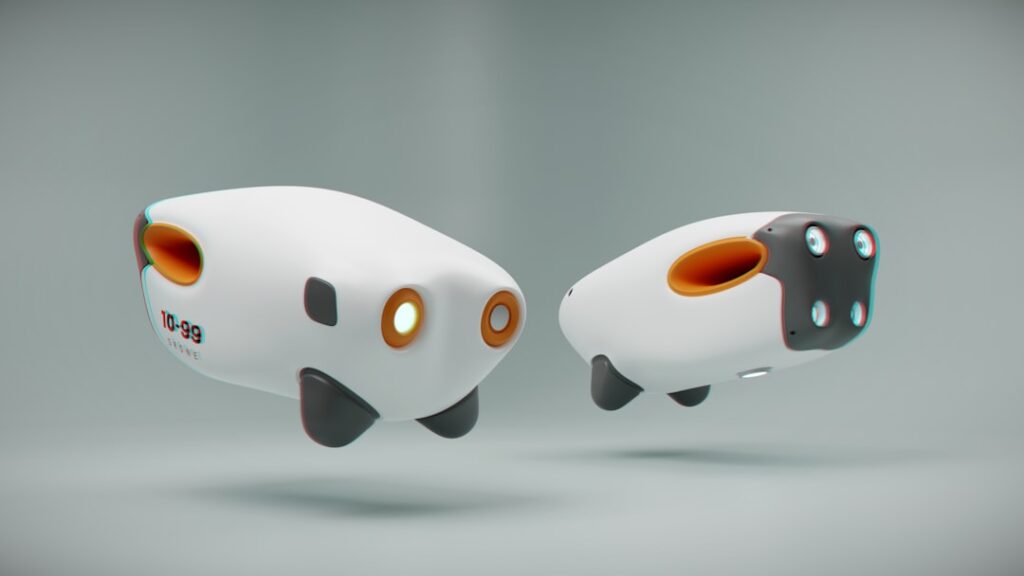
Swarm robotics is an innovative field that draws inspiration from the collective behavior observed in nature, particularly among social insects like ants, bees, and termites. As you delve into this fascinating domain, you will discover how groups of simple robots can work together to accomplish complex tasks that would be challenging for a single robot to achieve. The essence of swarm robotics lies in the idea that the collective capabilities of a group can surpass the abilities of individual members. This paradigm shift in robotics opens up new avenues for automation and efficiency in various sectors.
In recent years, advancements in technology have propelled swarm robotics from theoretical concepts into practical applications. You may find it intriguing that these robotic systems are designed to operate autonomously, relying on decentralized control mechanisms. This means that each robot in the swarm makes decisions based on local information and interactions with its peers, rather than relying on a central command. As you explore this field further, you will uncover the potential of swarm robotics to revolutionize industries ranging from agriculture to disaster response.
In exploring the fascinating realm of swarm robotics and its applications in field operations, one can gain further insights by reading the related article on collective intelligence in various industries. This article delves into how swarm robotics can enhance efficiency and decision-making processes in complex environments. For more information, you can check out the article at this link.
The Concept of Collective Intelligence
At the heart of swarm robotics is the concept of collective intelligence, which refers to the ability of a group to solve problems and make decisions more effectively than individuals acting alone. You might think of collective intelligence as a form of wisdom that emerges from collaboration and communication among members of a group. In swarm robotics, this phenomenon is harnessed to enable robots to work together seamlessly, adapting to changing environments and tasks.
The principles of collective intelligence can be observed in various natural systems. For instance, when a flock of birds changes direction, it is not due to a single leader but rather the result of each bird responding to its neighbors. Similarly, in swarm robotics, each robot acts based on local information and interactions with others, leading to emergent behaviors that can be surprisingly sophisticated. As you consider the implications of this concept, you will appreciate how it allows for flexibility and resilience in robotic systems, making them well-suited for dynamic and unpredictable environments.
Advantages of Swarm Robotics in Field Operations
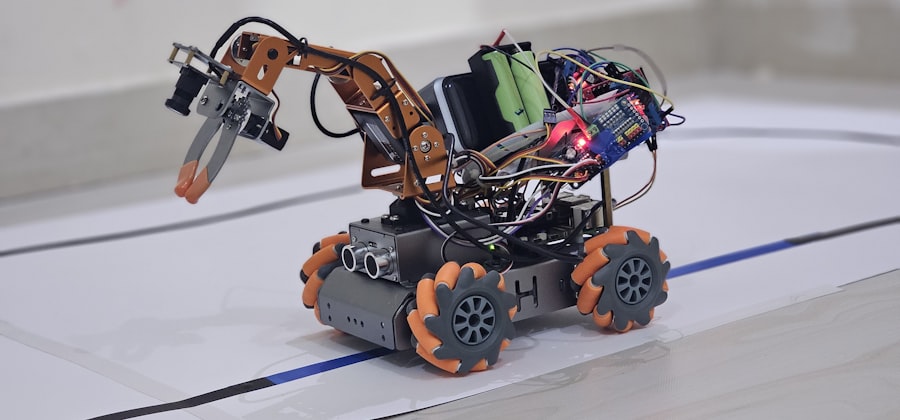
One of the most significant advantages of swarm robotics in field operations is their ability to scale efficiently. When faced with large-scale tasks, deploying multiple robots can lead to faster completion times and increased productivity. You may find it compelling that swarm robotics can adapt to varying scales of operation, whether it involves a handful of robots or thousands working in concert. This scalability allows for greater flexibility in resource allocation and task management.
Moreover, swarm robotics enhances robustness and fault tolerance. In a swarm, if one robot fails or encounters an obstacle, the remaining robots can continue functioning without significant disruption. This redundancy is crucial in field operations where conditions can be unpredictable. You might consider how this feature is particularly beneficial in scenarios such as search and rescue missions or environmental monitoring, where reliability is paramount. The ability to maintain operational efficiency despite individual failures sets swarm robotics apart from traditional robotic systems.
Applications of Swarm Robotics in Various Industries

Swarm robotics has found applications across a diverse range of industries, showcasing its versatility and effectiveness. In agriculture, for instance, you may encounter swarms of drones working together to monitor crop health, optimize irrigation, and even pollinate plants. These robotic swarms can cover vast areas more efficiently than human workers or single machines, leading to increased yields and reduced resource consumption.
In the realm of logistics and supply chain management, swarm robotics is revolutionizing warehouse operations. You might be intrigued by how fleets of autonomous robots collaborate to pick, pack, and transport goods within warehouses. This not only streamlines operations but also minimizes human labor costs and errors. As you explore further, you will discover that the potential applications extend to environmental monitoring, construction, and even military operations, where swarms can perform reconnaissance or deliver supplies in challenging terrains.
In the context of the ongoing advancements in swarm robotics, the article on collective intelligence highlights the transformative potential of these technologies in various field operations. For a deeper understanding of how swarm robotics can enhance efficiency and coordination, you can explore the related article on collective intelligence. This resource delves into the principles and applications that underpin the effectiveness of swarm robotics, making it a valuable read for anyone interested in the future of automation and collaborative systems.
Challenges and Limitations of Swarm Robotics
| Metrics | Value |
|---|---|
| Number of robots | 50 |
| Field coverage | 90% |
| Communication range | 100 meters |
| Task completion time | 30 minutes |
| Energy consumption | 10 kWh |
Despite the promising advantages of swarm robotics, several challenges and limitations must be addressed for widespread adoption. One significant hurdle is the complexity of designing algorithms that enable effective communication and coordination among robots. You may find it fascinating that while individual robots may be simple, their interactions can lead to complex behaviors that are difficult to predict and control. Developing robust algorithms that ensure reliable performance in diverse environments remains a critical area of research.
Another challenge lies in the physical limitations of the robots themselves. As you consider the practical aspects of swarm robotics, you will recognize that factors such as battery life, sensor accuracy, and environmental adaptability play crucial roles in determining the effectiveness of robotic swarms. Ensuring that these robots can operate efficiently over extended periods and in various conditions is essential for their successful deployment in field operations.
In exploring the advancements in swarm robotics and their applications in field operations, it’s fascinating to consider how collective intelligence can enhance efficiency and problem-solving capabilities. A related article that delves into the broader implications of robotics in various sectors can be found at BrainNG, which discusses innovative technologies and their impact on modern industries. This connection highlights the importance of collaboration among robotic systems in achieving complex tasks more effectively.
Case Studies of Successful Implementation of Swarm Robotics
Examining case studies of successful implementations can provide valuable insights into the practical applications of swarm robotics. One notable example is the use of drone swarms for agricultural monitoring. In a recent project, researchers deployed a fleet of drones equipped with advanced sensors to monitor crop health across large fields. You may find it impressive that these drones worked collaboratively to gather data on soil moisture levels and plant health, allowing farmers to make informed decisions about irrigation and fertilization.
Another compelling case study involves the deployment of robotic swarms for disaster response efforts. In a simulated earthquake scenario, teams utilized swarms of small robots to navigate through rubble and locate survivors. You might appreciate how these robots communicated with one another to map their surroundings and share information about potential victims’ locations. The success of such initiatives highlights the potential for swarm robotics to enhance emergency response capabilities and save lives in real-world situations.
The Future of Swarm Robotics in Field Operations
As you look ahead to the future of swarm robotics in field operations, it becomes clear that this technology holds immense promise for transforming various industries. With ongoing advancements in artificial intelligence and machine learning, you can expect robots to become increasingly autonomous and capable of making complex decisions based on real-time data. This evolution will likely lead to even more sophisticated swarm behaviors and applications.
Moreover, as industries continue to embrace automation and seek ways to improve efficiency, swarm robotics will play a pivotal role in shaping the future workforce. You may envision scenarios where human workers collaborate seamlessly with robotic swarms, leveraging their strengths to achieve optimal results. This synergy between humans and machines could redefine traditional job roles while enhancing productivity across sectors.
Ethical Considerations in Swarm Robotics
As with any emerging technology, ethical considerations surrounding swarm robotics must be carefully examined. You may ponder questions related to privacy, security, and accountability as these robotic systems become more integrated into society. For instance, the use of drone swarms for surveillance purposes raises concerns about individual privacy rights and data protection.
Additionally, there are ethical implications regarding decision-making processes within robotic swarms. As these systems become more autonomous, you might consider who is responsible for their actions—especially in scenarios where they may cause harm or make mistakes. Addressing these ethical dilemmas will be crucial as society navigates the complexities introduced by swarm robotics.
The Role of Artificial Intelligence in Swarm Robotics
Artificial intelligence (AI) plays a vital role in enhancing the capabilities of swarm robotics. By integrating AI algorithms into robotic systems, you can expect improved decision-making processes and adaptive behaviors that allow swarms to respond effectively to dynamic environments. Machine learning techniques enable robots to learn from their experiences and optimize their performance over time.
Furthermore, AI facilitates advanced communication protocols among robots within a swarm. You may find it fascinating how AI-driven systems can analyze data from multiple sources and make real-time adjustments based on changing conditions or objectives. This level of intelligence empowers robotic swarms to operate more efficiently and autonomously, paving the way for innovative applications across various fields.
Collaboration and Communication in Swarm Robotics
Effective collaboration and communication are essential components of successful swarm robotics operations. You might be intrigued by how robots within a swarm share information about their surroundings and coordinate their actions without centralized control. This decentralized approach fosters resilience and adaptability, allowing swarms to respond quickly to challenges or changes in their environment.
To achieve seamless collaboration, researchers are developing sophisticated communication protocols that enable robots to exchange data efficiently. You may consider how advancements in wireless communication technologies contribute to this effort by allowing robots to maintain connectivity even in challenging conditions. As you explore this aspect further, you will appreciate how effective communication enhances the overall performance and capabilities of robotic swarms.
The Potential Impact of Swarm Robotics on Field Operations
In conclusion, swarm robotics represents a transformative force poised to reshape field operations across various industries. As you reflect on the advantages offered by collective intelligence, scalability, and robustness, it becomes evident that these robotic systems have the potential to enhance efficiency and productivity significantly. From agriculture to disaster response, the applications are vast and varied.
However, as with any emerging technology, challenges remain that must be addressed through ongoing research and development efforts. Ethical considerations surrounding privacy and accountability must also be taken into account as society embraces these advancements. Ultimately, as you look toward the future, it is clear that swarm robotics holds immense promise for revolutionizing how we approach complex tasks in dynamic environments—an exciting prospect for both industry professionals and researchers alike.