

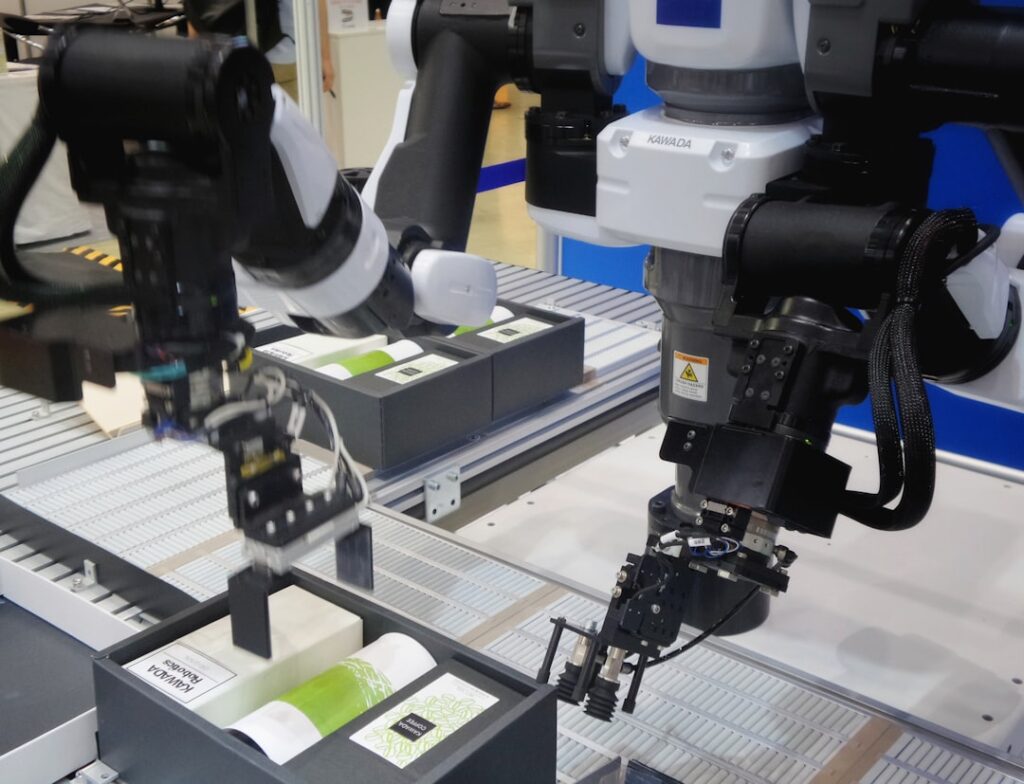
Soft robotics is an innovative field that focuses on creating robots from highly flexible materials, allowing them to mimic the adaptability and dexterity of living organisms. Unlike traditional rigid robots, which are often limited in their movements and applications, soft robots can navigate complex environments and interact with delicate objects without causing damage. This unique capability opens up a world of possibilities across various industries, from healthcare to agriculture. As you delve into the realm of soft robotics, you will discover how this technology is reshaping our understanding of automation and its potential to enhance human life.
The development of soft robotics has been driven by advancements in materials science, engineering, and artificial intelligence. Researchers are now able to design robots that can bend, stretch, and compress, much like biological tissues. This flexibility not only allows for more intricate movements but also enables robots to perform tasks that were previously deemed impossible for machines. As you explore the applications of soft robotics, you will see how these innovations are paving the way for safer, more efficient solutions in various sectors.
In exploring the advancements in soft robotics, a related article titled “Robotics Revolution: Soft Robotics: Applications in Healthcare and Delicate Handling” delves into the innovative uses of soft robotic systems in medical settings and their ability to handle fragile objects with precision. For further insights on this topic, you can visit the contact page for more information and resources at here.
Soft Robotics in Healthcare: A Game-Changer
In the healthcare sector, soft robotics is emerging as a game-changer, offering new solutions for patient care and surgical procedures. The ability of soft robots to adapt to the human body’s contours makes them ideal for applications such as minimally invasive surgeries and rehabilitation therapies. Imagine a surgical robot that can navigate through delicate tissues without causing trauma; this is the promise that soft robotics holds for the future of medicine. By integrating soft robotic systems into healthcare practices, you can expect improved patient outcomes and reduced recovery times.
Moreover, soft robotics can enhance the way healthcare professionals interact with patients. For instance, soft robotic exoskeletons can assist individuals with mobility impairments, providing support while allowing for natural movement. This technology not only empowers patients but also alleviates some of the physical strain on caregivers. As you consider the implications of soft robotics in healthcare, it becomes clear that this technology is not just about improving efficiency; it’s about enhancing the quality of life for patients and caregivers alike.
Delicate Handling: How Soft Robotics is Revolutionizing the Industry
The ability of soft robots to handle delicate materials with care is revolutionizing various industries, particularly those that require precision and gentleness. In manufacturing and logistics, for example, soft robotic grippers can pick up fragile items without damaging them, significantly reducing waste and improving efficiency. You may find it fascinating how these robots can adapt their grip based on the shape and texture of the object they are handling, showcasing a level of finesse that traditional robotic systems struggle to achieve.
This revolution in delicate handling extends beyond manufacturing; it also impacts sectors like electronics and pharmaceuticals, where precision is paramount. Soft robots can assemble intricate components or package sensitive products without the risk of breakage or contamination. As you explore these advancements, you will appreciate how soft robotics is not only enhancing productivity but also ensuring higher standards of quality control across various industries.
Advantages of Soft Robotics in Healthcare

The advantages of soft robotics in healthcare are manifold, making it a compelling area of research and application. One significant benefit is the reduced risk of injury during surgical procedures. Traditional surgical instruments can cause trauma to surrounding tissues, leading to longer recovery times and increased complications. In contrast, soft robotic tools can navigate through the body with minimal invasiveness, promoting faster healing and less postoperative pain for patients. As you consider these benefits, it becomes evident that soft robotics could redefine surgical practices.
Another advantage lies in the versatility of soft robots. They can be designed for a wide range of applications, from assisting in surgeries to providing rehabilitation support. This adaptability means that healthcare providers can utilize a single robotic system for multiple purposes, streamlining operations and reducing costs. Furthermore, soft robots can be equipped with sensors that provide real-time feedback on patient conditions, allowing for more personalized care. As you reflect on these advantages, you will see how soft robotics is not just a technological advancement; it is a transformative force in healthcare.
The advancements in soft robotics are paving the way for innovative applications in various fields, particularly in healthcare and delicate handling. A related article that delves deeper into the implications of these technologies can be found at BrainNG, where the focus is on how soft robotics can enhance patient care and improve the efficiency of medical procedures. This exploration highlights the potential of soft robotic systems to interact safely with humans and delicate objects, making them invaluable in sensitive environments.
Applications of Soft Robotics in Surgical Procedures
| Application | Benefits |
|---|---|
| Surgical Robots | Precision, minimally invasive procedures, reduced recovery time |
| Prosthetics | Improved functionality, natural movement |
| Assistive Devices | Enhanced independence for individuals with disabilities |
| Pharmaceutical Manufacturing | Precise handling of delicate materials, increased efficiency |
Soft robotics is making significant strides in surgical applications, particularly in minimally invasive techniques. Surgeons are increasingly turning to soft robotic systems that can navigate complex anatomical structures with precision and ease. These systems often employ flexible instruments that can bend and twist without compromising their functionality. Imagine a robot that can reach difficult-to-access areas within the body while minimizing damage to surrounding tissues; this is the reality that soft robotics brings to surgical procedures.
Additionally, soft robotic systems can enhance the surgeon’s capabilities by providing improved dexterity and control during operations. With advanced haptic feedback mechanisms, surgeons can feel the resistance and texture of tissues as they operate, leading to more informed decision-making during procedures. This level of interaction is crucial for delicate surgeries where precision is paramount. As you explore these applications further, you will recognize how soft robotics is not only improving surgical outcomes but also expanding the possibilities for complex procedures.
In exploring the advancements in soft robotics, one cannot overlook the significant contributions made in the field of healthcare and delicate handling. A related article discusses the various applications of soft robotics in these areas, highlighting how these innovative technologies are transforming patient care and surgical procedures. For more insights on this topic, you can read the article on membership plans available at BrainNG. This resource offers a deeper understanding of how soft robotics is shaping the future of healthcare.
Soft Robotics in Prosthetics and Rehabilitation
In the realm of prosthetics and rehabilitation, soft robotics is proving to be a game-changer by offering solutions that prioritize comfort and functionality. Traditional prosthetic devices often lack the flexibility needed to mimic natural movement, leading to discomfort for users. However, soft robotic prosthetics are designed with materials that allow for greater adaptability and a more natural range of motion. As you consider this innovation, you will appreciate how it enhances the quality of life for individuals who rely on prosthetic limbs.
Moreover, soft robotics plays a crucial role in rehabilitation therapies by providing personalized support tailored to individual needs. Soft robotic exoskeletons can assist patients in regaining mobility after injury or surgery by offering gentle support during movement exercises. These devices can adapt to the user’s progress over time, ensuring that rehabilitation remains effective and engaging. As you delve deeper into this topic, you will see how soft robotics is not just about restoring function; it’s about empowering individuals to reclaim their independence.
Robotics Revolution in Delicate Material Handling
The revolution brought about by soft robotics in delicate material handling cannot be overstated. Industries that rely on precision handling are increasingly adopting soft robotic solutions to improve their processes. For instance, in electronics manufacturing, where components are often fragile and sensitive to pressure, soft robotic grippers can manipulate these items without risk of damage. This capability not only enhances production efficiency but also reduces costs associated with waste and rework.
Furthermore, the adaptability of soft robots allows them to handle a variety of materials with different shapes and textures seamlessly. This versatility is particularly beneficial in industries such as packaging and logistics, where products come in all forms and sizes. By employing soft robotic systems, companies can streamline their operations while maintaining high standards of quality control. As you explore this revolution further, you will recognize how soft robotics is setting new benchmarks for efficiency and precision across multiple sectors.
Soft Robotics in Food and Agriculture Industry
The food and agriculture industry is also experiencing a transformation thanks to soft robotics. With an increasing demand for automation in food processing and harvesting, soft robots are stepping in to provide solutions that prioritize both efficiency and safety. For example, soft robotic arms can gently pick fruits and vegetables without bruising or damaging them—a critical factor in maintaining product quality. As you consider these advancements, it becomes clear that soft robotics is enhancing food production while minimizing waste.
In addition to harvesting, soft robots are being utilized in food packaging and processing applications. Their ability to handle delicate items with care ensures that products remain intact throughout the supply chain. Moreover, these robots can be programmed to adapt to different tasks as needed, making them highly versatile tools in food production facilities. As you delve into this topic further, you will see how soft robotics is not only improving operational efficiency but also contributing to sustainable practices within the food industry.
Challenges and Future Developments in Soft Robotics
Despite its many advantages, the field of soft robotics faces several challenges that must be addressed for its continued growth and integration into various industries. One significant hurdle is the development of robust control systems that allow soft robots to operate effectively in dynamic environments. Unlike traditional rigid robots that follow predetermined paths, soft robots must be able to adapt their movements based on real-time feedback from their surroundings. As you consider these challenges, it becomes evident that ongoing research and innovation are essential for overcoming these obstacles.
Another challenge lies in material selection and durability. While soft materials offer flexibility and adaptability, they may not always withstand harsh conditions or prolonged use. Researchers are actively exploring new materials that combine softness with strength to enhance the longevity of soft robotic systems. As you look toward the future of soft robotics, you will find that addressing these challenges will be crucial for unlocking its full potential across various applications.
Ethical Considerations in Soft Robotics
As with any emerging technology, ethical considerations play a vital role in the development and deployment of soft robotics. One primary concern revolves around safety—ensuring that these robots operate without posing risks to humans or the environment is paramount. As you reflect on this issue, it becomes clear that rigorous testing and regulatory frameworks must be established to govern the use of soft robots across different sectors.
Additionally, there are ethical implications related to job displacement as automation becomes more prevalent through technologies like soft robotics. While these innovations can enhance efficiency and productivity, they may also lead to concerns about job security for workers in certain industries. As you contemplate these ethical considerations, it’s essential to strike a balance between embracing technological advancements and addressing their societal impacts responsibly.
The Promising Future of Soft Robotics
In conclusion, the future of soft robotics holds immense promise across various industries—from healthcare to agriculture—transforming how we approach automation and interaction with our environment. The unique capabilities of soft robots enable them to perform tasks with unparalleled precision while minimizing risks associated with traditional rigid systems. As you reflect on the advancements made thus far, it’s clear that we are only scratching the surface of what this technology can achieve.
As research continues to address existing challenges and ethical considerations are thoughtfully navigated, you can expect to see even more innovative applications emerge within the realm of soft robotics. The potential for improving quality of life through enhanced medical care, efficient manufacturing processes, and sustainable agricultural practices is vast. Embracing this promising future will require collaboration among researchers, industry leaders, and policymakers alike—ensuring that we harness the full potential of soft robotics for the benefit of society as a whole.