
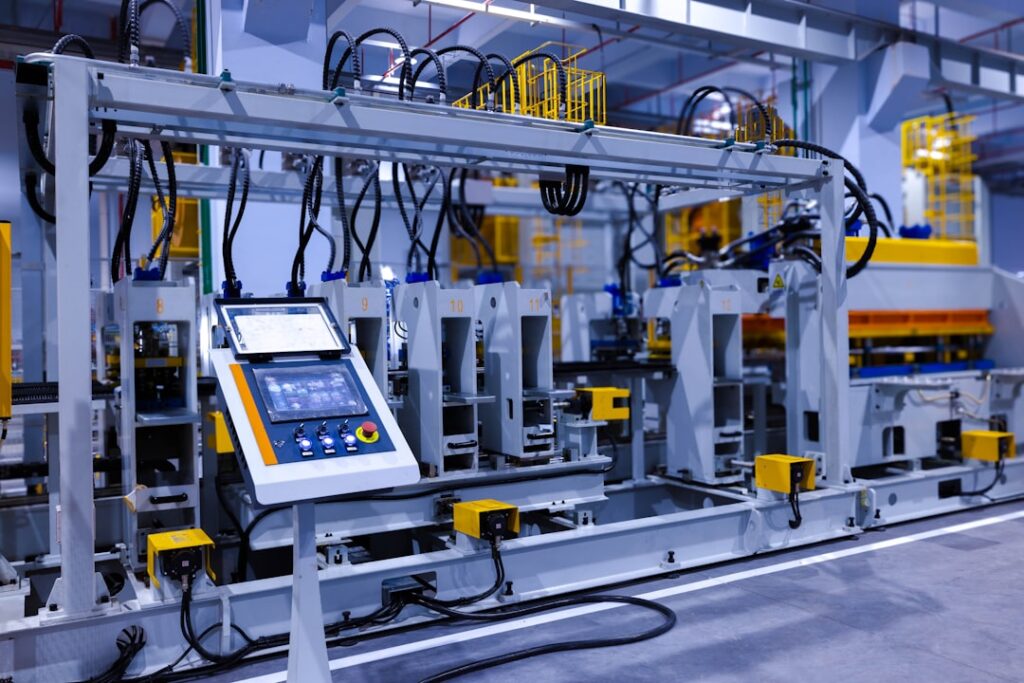
As you delve into the world of artificial intelligence (AI) and automation, you will find yourself at the intersection of technology and society. AI, a branch of computer science that aims to create machines capable of intelligent behavior, has rapidly evolved over the past few decades. Automation, on the other hand, refers to the use of technology to perform tasks with minimal human intervention. Together, these two forces are reshaping industries, redefining job roles, and altering the very fabric of our daily lives. The integration of AI into various sectors promises increased efficiency and productivity, but it also raises critical questions about the future of work and the ethical implications that accompany such advancements.
As you explore this landscape, it becomes evident that AI and automation are not merely tools for enhancing productivity; they represent a paradigm shift in how we approach work and labor. From manufacturing to healthcare, AI systems are being deployed to streamline processes, reduce costs, and improve outcomes. However, this transformation is not without its challenges. You may find yourself pondering the balance between technological progress and the potential consequences for society as a whole. Understanding the implications of AI and automation is essential for navigating this new era, as it will shape not only your career but also the broader economic and social structures in which you live.
In exploring the complex relationship between artificial intelligence, ethics, and society, one pertinent article is “The Impact of Automation on Global Labor,” which delves into how advancements in AI are reshaping job markets worldwide. This article highlights the ethical implications of automation, including job displacement, economic inequality, and the need for new policies to address these challenges. For further insights, you can read the article at The Impact of Automation on Global Labor.
The Ethical Implications of Automation
As you consider the ethical implications of automation, you may feel a sense of unease about the potential consequences of relinquishing control to machines. The rapid advancement of AI technologies raises questions about accountability, transparency, and fairness. For instance, when an automated system makes a decision that affects individuals—such as in hiring or lending—who is responsible for that decision? Is it the developer of the algorithm, the company that implemented it, or the machine itself? These questions highlight the need for ethical frameworks that guide the development and deployment of AI technologies.
Moreover, you might reflect on the potential biases embedded within AI systems. If these systems are trained on historical data that reflects societal inequalities, they may perpetuate or even exacerbate existing disparities. This raises concerns about justice and equity in a world increasingly governed by algorithms. As you engage with these issues, it becomes clear that addressing the ethical implications of automation requires a collaborative effort among technologists, ethicists, policymakers, and society at large. You have a role to play in advocating for responsible AI practices that prioritize human values and promote fairness.
The Impact of AI on Employment

The impact of AI on employment is a topic that resonates deeply with many individuals today. As you navigate your career path, you may be acutely aware of how automation is transforming job markets across various sectors. While some jobs are being enhanced by AI technologies—allowing workers to focus on more complex tasks—others are at risk of becoming obsolete. The fear of job displacement looms large as machines become capable of performing tasks traditionally carried out by humans.
However, it is essential to recognize that AI’s impact on employment is not solely negative. You may find opportunities arising from this technological shift as new roles emerge that require human creativity, emotional intelligence, and critical thinking—qualities that machines cannot replicate. Industries such as healthcare, education, and creative arts are likely to see a demand for skilled professionals who can work alongside AI systems rather than be replaced by them. Embracing this change requires adaptability and a willingness to learn new skills that complement technological advancements.
The Role of Government and Policy in Addressing AI and Labor

As you contemplate the future of work in an automated world, the role of government and policy becomes increasingly significant. Policymakers face the challenge of creating regulations that foster innovation while protecting workers’ rights and ensuring equitable access to opportunities. You may wonder how governments can strike this delicate balance in an era where technology evolves at breakneck speed.
One approach is to implement policies that promote workforce development and reskilling initiatives. By investing in education and training programs tailored to the needs of a changing job market, governments can help individuals transition into new roles created by automation. Additionally, you might consider how social safety nets can be strengthened to support those who are displaced by technological advancements. Universal basic income (UBI) has emerged as a potential solution to provide financial security in an uncertain job landscape. As you engage with these discussions, it becomes clear that proactive government intervention is crucial for ensuring a just transition into an automated future.
The discussion surrounding AI, ethics, and society is increasingly relevant as automation continues to reshape global labor markets. A recent article explores the implications of these technological advancements on employment opportunities and workforce dynamics. For those interested in understanding how automation is influencing various sectors, you can read more about it in this insightful piece on automation and labor. This resource delves into the ethical considerations and societal impacts that arise from the integration of AI in the workplace, highlighting the need for a balanced approach to innovation and workforce development.
The Future of Work in a World of Automation
| Metrics | Data |
|---|---|
| Global Labor Force | 3.3 billion |
| Jobs at Risk of Automation | 800 million |
| Percentage of Jobs at Risk | 25% |
| Impact on Low-Skilled Workers | Most vulnerable |
| Impact on High-Skilled Workers | Less vulnerable |
Looking ahead, you may find yourself contemplating what the future of work will look like in a world increasingly dominated by automation. The traditional 9-to-5 work model is already evolving, with remote work and flexible schedules becoming more commonplace. As AI continues to reshape industries, you might envision a future where collaboration between humans and machines becomes the norm rather than the exception.
In this future landscape, your ability to adapt will be paramount. You may need to cultivate skills that emphasize creativity, problem-solving, and emotional intelligence—traits that machines struggle to replicate. Furthermore, as organizations embrace hybrid work models that leverage both human talent and AI capabilities, you might find opportunities to engage in more meaningful work that aligns with your passions and values. The future of work holds promise for those willing to embrace change and invest in their personal development.
In the ongoing discourse surrounding AI, ethics, and society, a compelling article explores the implications of automation on global labor markets. As technology continues to advance, the potential for job displacement raises significant ethical questions about the future of work. For a deeper understanding of these challenges and opportunities, you can read more in this insightful piece on digital products and their role in shaping the workforce landscape. This examination not only highlights the risks associated with automation but also emphasizes the importance of ethical considerations in developing AI technologies.
The Socioeconomic Effects of Automation
The socioeconomic effects of automation are profound and multifaceted. As you analyze these effects, you may notice how automation can exacerbate existing inequalities within society. While some individuals benefit from increased productivity and economic growth driven by AI technologies, others may find themselves left behind as their jobs become obsolete. This disparity raises important questions about access to resources and opportunities in an increasingly automated world.
You might also consider how automation impacts different regions differently. Urban areas with access to advanced technology may thrive while rural communities struggle to adapt. This geographic divide can lead to further polarization within society, as those without access to education or training programs face significant barriers to entry into emerging job markets. Addressing these socioeconomic effects requires a concerted effort from all stakeholders—governments, businesses, educators, and communities—to ensure that the benefits of automation are shared equitably.
The Potential for Job Displacement and Reskilling
As you reflect on the potential for job displacement due to automation, it is essential to acknowledge both the challenges and opportunities that arise from this phenomenon. While certain roles may become redundant as machines take over repetitive tasks, there is also a pressing need for reskilling initiatives that empower workers to transition into new positions. You may find yourself considering how organizations can play a pivotal role in facilitating this process.
Reskilling programs can provide individuals with the tools they need to thrive in an automated workforce. By offering training in emerging technologies or soft skills that complement AI capabilities, companies can help their employees adapt to changing job requirements. As you engage with this topic, it becomes clear that fostering a culture of continuous learning is vital for both individual success and organizational resilience in an era marked by rapid technological change.
The Role of Education and Training in Adapting to Automation
Education and training are critical components in preparing for a future shaped by automation. As you navigate your own educational journey or consider furthering your skills, you may recognize the importance of aligning your learning experiences with the demands of an evolving job market. Traditional educational models may need to adapt to incorporate more hands-on learning experiences and interdisciplinary approaches that reflect real-world applications.
You might also explore how partnerships between educational institutions and industries can bridge the gap between academic knowledge and practical skills. By collaborating with businesses to develop curricula that address current workforce needs, educational institutions can better prepare students for careers in an automated world. As you engage with these ideas, it becomes evident that investing in education is not just an individual endeavor; it is a collective responsibility that shapes the future workforce.
The Ethical Considerations of AI in the Workplace
The ethical considerations surrounding AI in the workplace are complex and multifaceted. As you contemplate these issues, you may find yourself questioning how organizations can ensure that their use of AI aligns with ethical principles such as fairness, transparency, and accountability. For instance, when implementing AI-driven hiring processes, companies must be vigilant about avoiding biases that could lead to discrimination against certain groups.
Moreover, you might consider how employee privacy is affected by AI technologies that monitor performance or analyze behavior patterns. Striking a balance between leveraging data for productivity gains while respecting individual privacy rights is crucial for fostering trust within organizations. As you engage with these ethical considerations, it becomes clear that creating a responsible framework for AI use in the workplace requires ongoing dialogue among stakeholders—including employees, employers, ethicists, and technologists.
The Global Perspective on AI and Labor
Taking a global perspective on AI and labor reveals significant disparities in how different countries approach automation’s challenges and opportunities. As you examine these differences, you may notice that developed nations often have greater access to advanced technologies compared to developing countries. This divide can exacerbate existing inequalities on a global scale as nations compete for technological leadership.
You might also explore how cultural attitudes toward work influence perceptions of automation across different regions. In some cultures, there may be resistance to adopting AI technologies due to fears about job loss or concerns about dehumanization in the workplace. Conversely, other cultures may embrace automation as a means of driving economic growth and improving living standards. Understanding these diverse perspectives is essential for fostering international collaboration on policies that address the ethical implications of AI while promoting equitable access to opportunities.
Navigating the Ethical and Societal Implications of Automation
In conclusion, navigating the ethical and societal implications of automation requires thoughtful consideration from all stakeholders involved—individuals like yourself, organizations, governments, and communities alike. As you reflect on the transformative power of AI technologies, it becomes clear that embracing change while prioritizing ethical principles is essential for creating a future where technology serves humanity rather than undermines it.
You have a role to play in advocating for responsible practices that promote fairness and equity in an increasingly automated world. By engaging with these discussions—whether through education, policy advocacy, or community involvement—you can contribute to shaping a future where technology enhances human potential rather than diminishes it. As we stand on the brink of this new era defined by automation and AI, your active participation will be crucial in ensuring that society navigates these challenges with integrity and foresight.