

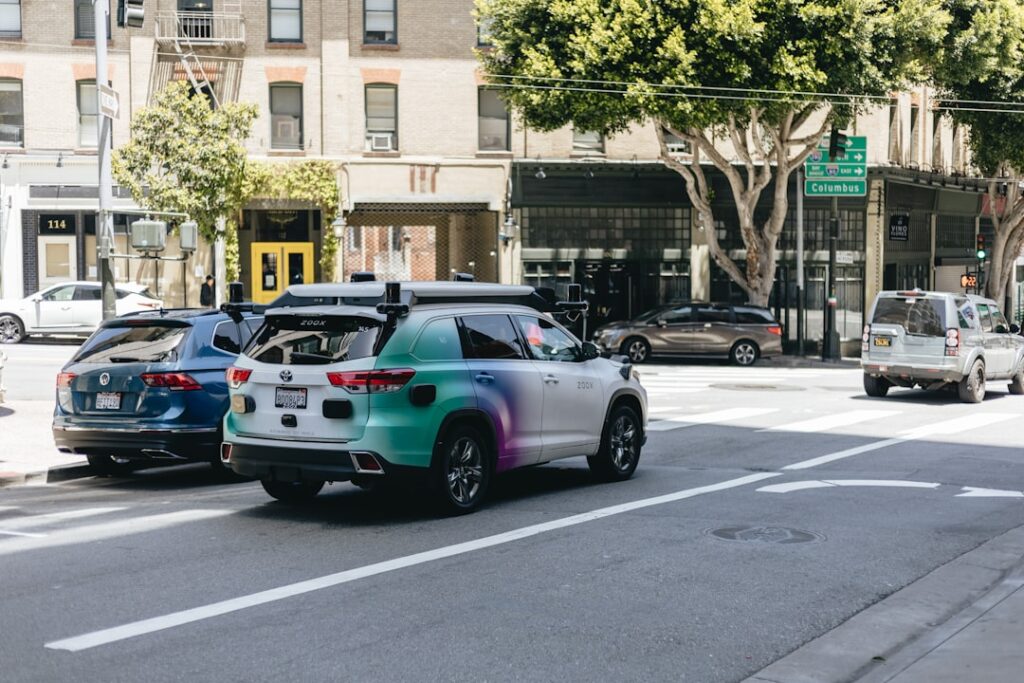
As you navigate the rapidly evolving landscape of technology, the emergence of autonomous vehicles (AVs) stands out as a significant milestone. These vehicles, equipped with advanced artificial intelligence (AI), promise to revolutionize transportation by enhancing safety, efficiency, and accessibility. Imagine a world where cars drive themselves, reducing traffic accidents caused by human error and optimizing routes to minimize congestion. The integration of AI into these vehicles allows them to process vast amounts of data in real-time, making split-second decisions that could save lives and improve the overall driving experience.
However, the rise of autonomous vehicles is not without its complexities. As you delve deeper into this topic, you will encounter a myriad of ethical considerations that challenge our traditional understanding of morality and responsibility. The intersection of technology and ethics raises critical questions about how AVs should be programmed to respond in various scenarios, particularly those involving potential harm to human life. As you explore these dilemmas, you will find that the implications of autonomous vehicles extend far beyond mere convenience; they touch upon fundamental aspects of human values and societal norms.
In the ongoing discourse surrounding AI, ethics, and society, the article “Ethical Frameworks for Autonomous Vehicles” provides a comprehensive analysis of the moral implications associated with self-driving technology. This piece delves into various ethical theories and their applications to the decision-making processes of autonomous vehicles, highlighting the challenges that arise when programming these systems to navigate complex moral dilemmas. For further insights into this critical topic, you can explore additional resources at this link.
The Ethical Dilemma of Autonomous Vehicles
When you consider the ethical dilemmas posed by autonomous vehicles, it becomes clear that these challenges are multifaceted. One of the primary concerns revolves around decision-making in life-and-death situations. For instance, if an AV encounters an unavoidable accident scenario, how should it prioritize the safety of its passengers versus that of pedestrians? This dilemma forces you to confront uncomfortable questions about the value of human life and the moral frameworks that guide our choices. The programming of AVs must reflect a set of ethical principles, yet these principles can vary widely among different cultures and individuals.
Moreover, the ethical implications extend beyond individual scenarios to broader societal impacts. As you ponder the integration of AVs into daily life, consider how their widespread adoption might affect employment in driving-related professions. The potential displacement of millions of jobs raises ethical questions about responsibility and fairness. Should companies developing AV technology be held accountable for the economic consequences of their innovations? These dilemmas highlight the need for a comprehensive ethical framework that addresses not only the immediate decisions made by AVs but also their long-term societal implications.
Utilitarianism and Autonomous Vehicles
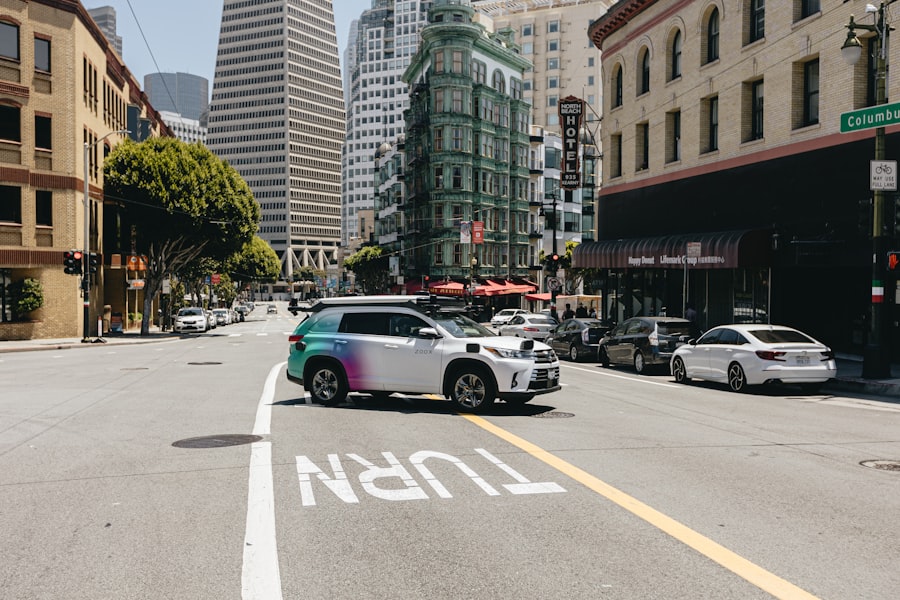
Utilitarianism, a consequentialist ethical theory, posits that the best action is the one that maximizes overall happiness or well-being. When you apply this framework to autonomous vehicles, it becomes essential to evaluate how their deployment can lead to the greatest good for the greatest number. For instance, if AVs can significantly reduce traffic fatalities and injuries, their widespread use could be justified from a utilitarian perspective. You might find it compelling to consider how these vehicles could alleviate traffic congestion, leading to less stress and more efficient transportation for society as a whole.
However, utilitarianism also presents challenges when it comes to individual rights and moral considerations. As you reflect on scenarios where an AV must make a choice between saving its passengers or pedestrians, the utilitarian approach may suggest sacrificing one for the greater good. This raises profound ethical questions about whether it is acceptable to prioritize collective welfare over individual lives. You may grapple with the implications of such decisions, questioning whether a purely utilitarian approach can adequately capture the complexities of human morality.
Deontological Ethics and Autonomous Vehicles
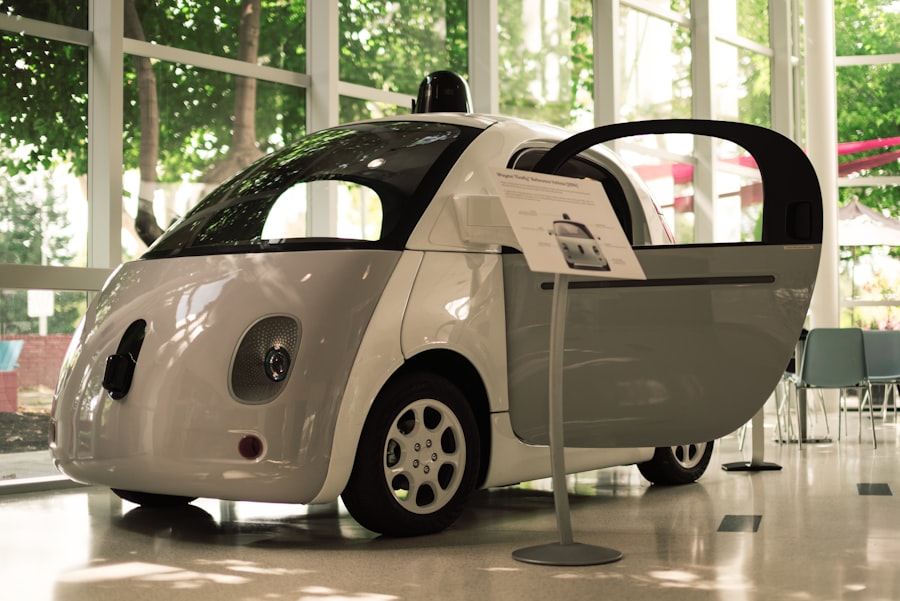
In contrast to utilitarianism, deontological ethics emphasizes the importance of duty and adherence to moral rules regardless of the consequences. As you explore this ethical framework in relation to autonomous vehicles, you may find yourself considering the moral obligations that developers and manufacturers have toward users and society at large. For instance, should an AV be programmed to always prioritize human life above all else? From a deontological perspective, this could be seen as a fundamental duty that must not be compromised.
However, applying deontological ethics to AVs can lead to conflicting obligations. You might encounter scenarios where following one moral rule could result in harm while adhering to another could prevent it. For example, if an AV must choose between swerving to avoid a pedestrian or staying on course to protect its passengers, the deontological approach may struggle to provide clear guidance. This complexity underscores the need for a nuanced understanding of ethical principles when programming AVs, as rigid adherence to rules may not always yield morally acceptable outcomes.
In the ongoing discussion surrounding AI, ethics, and society, one pertinent article explores the ethical frameworks necessary for the development and deployment of autonomous vehicles. This piece delves into the complexities of decision-making algorithms and their implications for safety and accountability. For those interested in a deeper understanding of these issues, the article can be found at this link. It highlights the importance of establishing robust ethical guidelines to ensure that autonomous systems align with societal values and norms.
Virtue Ethics and Autonomous Vehicles
| Framework | Description | Key Principles |
|---|---|---|
| Utilitarianism | Focuses on maximizing overall well-being and minimizing harm | Maximization of benefits, minimizing harm, and considering the greater good |
| Deontological Ethics | Emphasizes the importance of following moral rules and duties | Respect for autonomy, adherence to rules, and treating others as ends, not means |
| Virtue Ethics | Focuses on the character of the moral agent and the cultivation of virtues | Emphasis on virtues such as honesty, integrity, and compassion |
| Pragmatic Ethics | Considers the practical consequences and context of ethical decisions | Focus on real-world impact, adaptability, and flexibility in ethical decision-making |
Virtue ethics shifts the focus from rules and consequences to the character and intentions of individuals involved in decision-making. When you apply this perspective to autonomous vehicles, you may find yourself contemplating what virtues should guide the development and operation of these technologies. For instance, qualities such as compassion, responsibility, and integrity could play crucial roles in shaping how AVs interact with their environment and make decisions in critical situations.
As you consider virtue ethics in relation to AVs, it becomes essential to think about the character of those who design and program these vehicles. Are they instilling virtues that prioritize human safety and well-being? You might reflect on how fostering a culture of ethical responsibility within tech companies can influence the development of AV technology. By emphasizing virtues in both design and operation, you can envision a future where autonomous vehicles not only adhere to ethical principles but also contribute positively to society.
In the ongoing discussion surrounding AI, ethics, and society, the article on ethical frameworks for autonomous vehicles provides valuable insights into the complexities of integrating AI into everyday life. This piece explores how ethical considerations must guide the development and deployment of self-driving technology to ensure safety and accountability. For those interested in delving deeper into this topic, you can find more information in the related article here. Understanding these frameworks is crucial as we navigate the future of transportation and the ethical implications that come with it.
The Trolley Problem and Autonomous Vehicles
The infamous trolley problem serves as a thought experiment that encapsulates many ethical dilemmas associated with autonomous vehicles. In this scenario, you are faced with a choice: divert a runaway trolley onto a track where it will kill one person instead of allowing it to continue on its current path, where it will kill five people. This moral quandary mirrors situations that AVs may encounter on the road, forcing you to confront difficult questions about sacrifice and moral responsibility.
As you analyze the trolley problem in relation to AVs, consider how different ethical frameworks might lead to varying conclusions about what an AV should do in such scenarios. A utilitarian approach might advocate for sacrificing one life to save five, while a deontological perspective could argue against actively causing harm regardless of the outcome. This thought experiment highlights the inherent complexities in programming AVs for real-world situations where lives are at stake. You may find yourself grappling with the implications of these decisions and questioning whether any algorithm can truly capture the nuances of human morality.
The Role of AI in Decision Making for Autonomous Vehicles
Artificial intelligence plays a pivotal role in enabling autonomous vehicles to make decisions based on real-time data analysis and predictive modeling. As you explore this aspect further, consider how AI systems are designed to interpret complex environments and respond appropriately to various stimuli. The ability of AVs to process information from sensors, cameras, and other sources allows them to navigate safely while making split-second decisions that could have significant consequences.
However, reliance on AI also raises concerns about transparency and accountability. You may wonder how decisions made by AI systems can be understood or justified when they lead to controversial outcomes. If an AV makes a decision that results in harm, who is responsible—the manufacturer, the programmer, or the vehicle itself? These questions underscore the importance of developing AI systems that not only prioritize safety but also incorporate ethical considerations into their decision-making processes.
Social Impact of Autonomous Vehicles
The introduction of autonomous vehicles is poised to have far-reaching social implications that extend beyond individual users. As you contemplate their potential impact on urban planning and infrastructure, consider how AVs could reshape cities by reducing the need for parking spaces and enabling more efficient public transportation systems. This transformation could lead to more walkable communities and improved quality of life for residents.
However, you must also acknowledge potential challenges associated with this shift. The displacement of jobs in driving-related industries raises concerns about economic inequality and access to employment opportunities. As society adapts to these changes, it will be crucial to address these issues proactively through policies that support workforce retraining and equitable access to new technologies. By considering both the positive and negative social impacts of AVs, you can better understand their role in shaping the future.
Legal and Regulatory Considerations for Autonomous Vehicles
As autonomous vehicles become more prevalent on our roads, legal and regulatory frameworks must evolve to address new challenges posed by this technology. You may find yourself pondering questions about liability in accidents involving AVs—who is at fault when an autonomous vehicle is involved in a collision? The answers are not straightforward and require careful consideration of existing laws as well as new regulations tailored specifically for AVs.
Additionally, regulatory bodies will need to establish guidelines for testing and deploying autonomous vehicles safely on public roads. You might reflect on how governments can balance innovation with public safety while ensuring that ethical considerations are integrated into regulatory frameworks. As policymakers grapple with these issues, your insights into legal and regulatory considerations will be vital for shaping a responsible approach to AV implementation.
Public Perception and Trust in Autonomous Vehicles
Public perception plays a crucial role in determining the success of autonomous vehicles in society. As you observe discussions surrounding AV technology, consider how trust is built or eroded based on safety records, transparency in decision-making processes, and effective communication from manufacturers. You may find that fostering public confidence in AVs requires addressing concerns about safety and reliability while also engaging with communities to understand their needs and expectations.
Moreover, as you explore public perception further, think about how media portrayals influence attitudes toward autonomous vehicles. Sensationalized reports on accidents involving AVs can create fear and skepticism among potential users. To counteract this narrative, manufacturers must prioritize transparency and education about the benefits and limitations of AV technology. By actively engaging with the public and addressing concerns head-on, you can envision a future where trust in autonomous vehicles is cultivated through open dialogue and shared understanding.
Toward Ethical and Responsible Implementation of Autonomous Vehicles
In conclusion, as you reflect on the multifaceted ethical considerations surrounding autonomous vehicles, it becomes evident that their successful integration into society requires careful thoughtfulness and responsibility. From navigating complex moral dilemmas to addressing legal frameworks and public perception, each aspect plays a vital role in shaping how AV technology is perceived and utilized.
As we move forward into an era defined by innovation and change, your engagement with these ethical discussions will be crucial for ensuring that autonomous vehicles are developed and implemented responsibly. By prioritizing ethical considerations alongside technological advancements, we can work toward a future where autonomous vehicles enhance our lives while upholding our shared values as a society. Embracing this challenge will not only pave the way for safer transportation but also foster a more equitable and just world for all.