

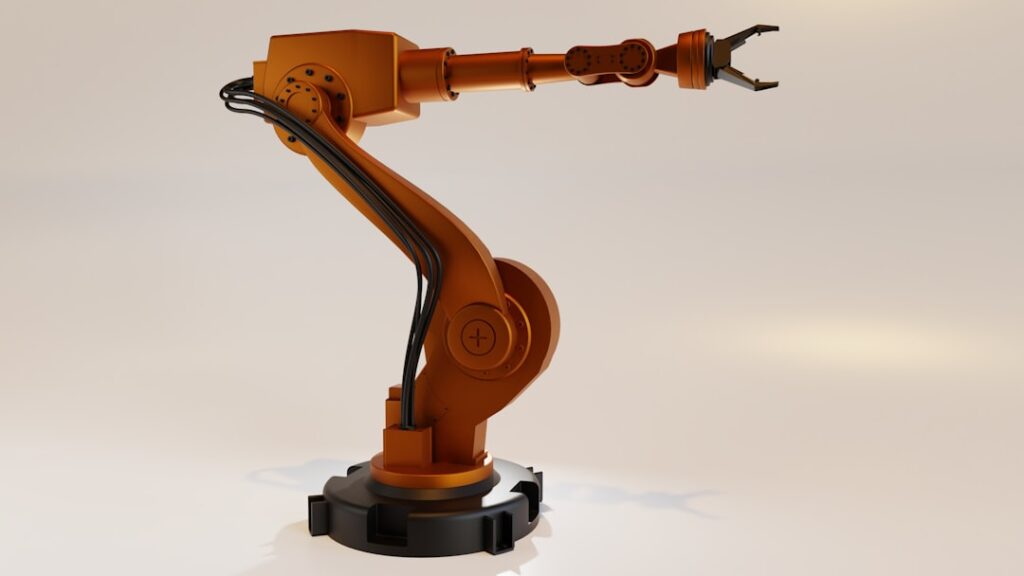
In the rapidly evolving landscape of manufacturing, the integration of collaborative robots, or cobots, has emerged as a transformative force. As you navigate through the complexities of agile manufacturing, you may find that cobots are not just an addition to the workforce but a pivotal element that enhances efficiency and flexibility. Agile manufacturing emphasizes adaptability and responsiveness to market demands, and cobots play a crucial role in achieving these objectives. By working alongside human operators, cobots can help streamline processes, reduce lead times, and improve overall productivity.
The introduction of cobots into the manufacturing environment signifies a shift in how tasks are performed. Unlike traditional robots that operate in isolation, cobots are designed to work collaboratively with humans, enhancing their capabilities rather than replacing them. This synergy between human intelligence and robotic precision allows for a more dynamic production process. As you delve deeper into the world of cobots, you will discover how they are reshaping the manufacturing landscape, making it more agile and responsive to the ever-changing demands of consumers.
In the context of the ongoing advancements in manufacturing technologies, the article “Robotics Revolution: The Role of Cobots in Agile Manufacturing” highlights the transformative impact of collaborative robots, or cobots, on production efficiency and flexibility. For further insights into the evolving landscape of automation and its implications for various industries, you can explore a related article that delves into the broader trends shaping the future of robotics and manufacturing at this link.
The Evolution of Robotics in Manufacturing
The journey of robotics in manufacturing has been marked by significant milestones that have shaped the industry as we know it today. Initially, robots were introduced to perform repetitive tasks in controlled environments, primarily focusing on efficiency and speed. As you explore this evolution, you will notice that early robots were often large, cumbersome machines that required extensive programming and were limited in their ability to adapt to new tasks. This rigidity made them less suitable for environments where flexibility and quick adjustments were necessary.
Over time, advancements in technology have led to the development of more sophisticated robotic systems. The introduction of artificial intelligence and machine learning has enabled robots to learn from their experiences and adapt to changing conditions. This evolution paved the way for the emergence of cobots, which are designed to work alongside humans rather than replace them. As you consider the trajectory of robotics in manufacturing, it becomes clear that the future lies in collaboration between humans and machines, where each complements the other’s strengths.
What are Cobots and How Do They Differ from Traditional Robots?
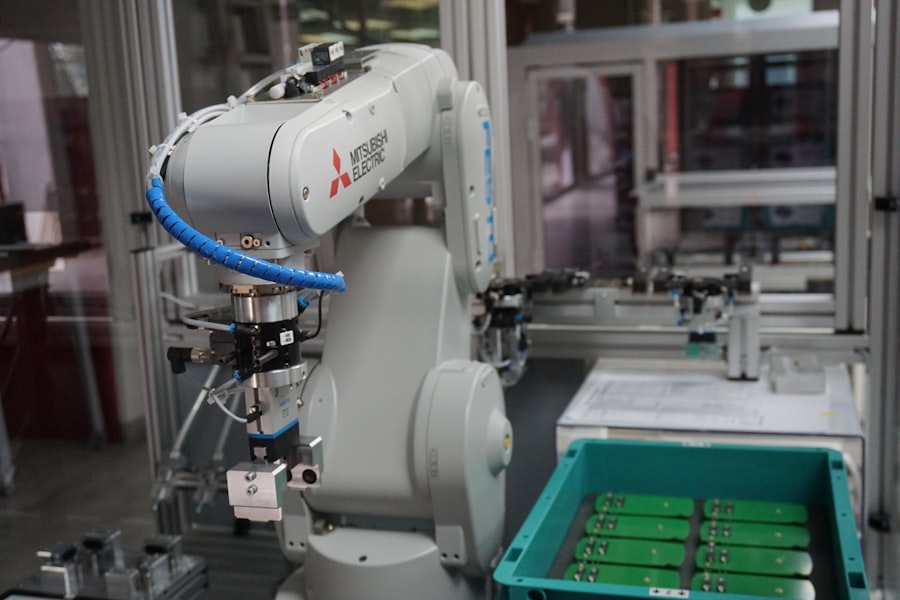
Cobots, or collaborative robots, are specifically engineered to work in tandem with human operators. Unlike traditional industrial robots that often operate in isolation behind safety barriers, cobots are designed with safety features that allow them to function alongside people without the need for extensive protective measures. This fundamental difference is what sets cobots apart from their traditional counterparts. As you explore the characteristics of cobots, you will find that they are typically smaller, more flexible, and easier to program.
One of the most significant distinctions between cobots and traditional robots is their user-friendly design. Cobots often come equipped with intuitive interfaces that allow operators to program them with minimal technical expertise. This accessibility empowers workers on the shop floor to take control of automation processes without relying solely on specialized engineers. As you consider the implications of this difference, it becomes evident that cobots democratize automation, making it accessible to a broader range of industries and applications.
The Benefits of Using Cobots in Agile Manufacturing
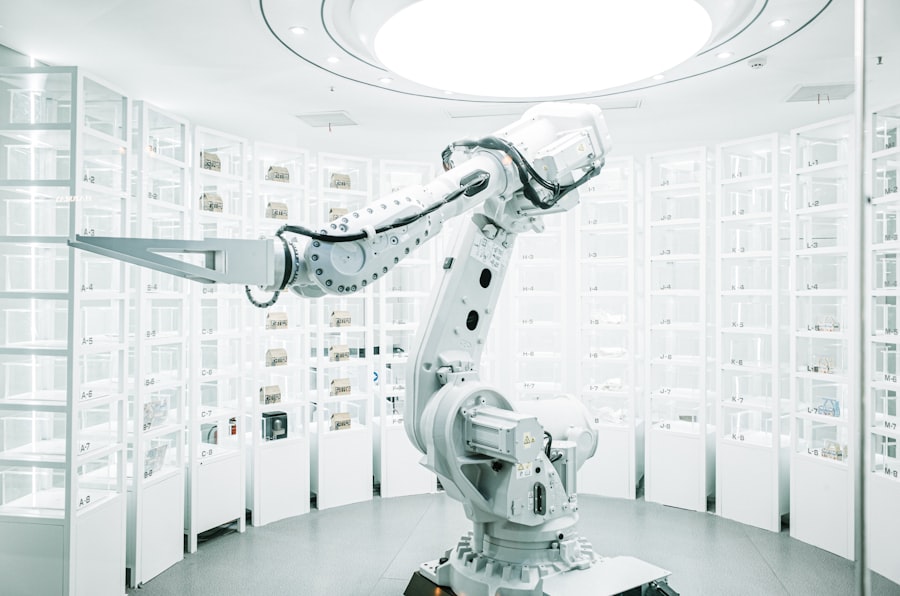
The integration of cobots into agile manufacturing processes offers a multitude of benefits that can significantly enhance operational efficiency. One of the primary advantages is increased productivity. Cobots can perform repetitive tasks with precision and speed, allowing human workers to focus on more complex and value-added activities. This shift not only optimizes resource allocation but also leads to higher overall output. As you analyze these benefits, you may find that the ability to scale production quickly in response to market demands is a game-changer for manufacturers.
In addition to productivity gains, cobots contribute to improved quality control. Their consistent performance reduces the likelihood of errors associated with manual labor, leading to higher-quality products. Furthermore, cobots can be programmed to monitor production processes in real-time, providing valuable data that can be used for continuous improvement initiatives. As you reflect on these advantages, it becomes clear that cobots are not merely tools for automation; they are catalysts for enhancing quality and efficiency in agile manufacturing environments.
In exploring the advancements in manufacturing technology, a fascinating article discusses the impact of collaborative robots, or cobots, on enhancing productivity and flexibility in production lines. This piece complements the insights found in “Robotics Revolution: The Role of Cobots in Agile Manufacturing,” as it delves into how these innovative machines are reshaping the landscape of modern manufacturing. For more information on this topic, you can read the article here.
Cobots and Human Collaboration in the Manufacturing Process
| Metrics | Data |
|---|---|
| Number of Cobots in Use | Over 50,000 |
| Cost Savings | Up to 30% in labor costs |
| Productivity Increase | Up to 85% |
| Accuracy | Up to 99.9% |
| Implementation Time | 2-6 months |
The essence of cobots lies in their ability to foster collaboration between humans and machines. In an agile manufacturing setting, this collaboration is vital for achieving optimal results. Cobots are designed to complement human skills rather than replace them, allowing workers to leverage their creativity and problem-solving abilities while benefiting from the precision and reliability of robotic assistance. As you consider this dynamic, you may recognize that the partnership between humans and cobots can lead to innovative solutions and improved workflows.
Moreover, the collaborative nature of cobots encourages a culture of teamwork on the shop floor. When workers see themselves as integral parts of a system that includes both human and robotic elements, it fosters a sense of ownership and accountability. This collaborative environment can lead to increased job satisfaction and employee engagement, as workers feel empowered to contribute their insights and expertise alongside their robotic counterparts. As you explore this aspect further, you may find that the synergy between humans and cobots is not just about efficiency; it’s about creating a more fulfilling work experience.
In the context of the ongoing advancements in manufacturing, the article on the Robotics Revolution highlights the significance of collaborative robots, or cobots, in enhancing agility and efficiency on the production floor. For a deeper understanding of how these technologies are reshaping industry standards, you may find it beneficial to explore a related article that discusses the integration of automation in modern manufacturing processes. This insightful piece can be accessed through this link, providing further context on the transformative impact of robotics in today’s manufacturing landscape.
Safety Considerations in Implementing Cobots in Manufacturing
While cobots offer numerous advantages, safety remains a paramount concern when integrating them into manufacturing environments. Unlike traditional robots that operate behind safety barriers, cobots interact directly with human workers, necessitating robust safety measures. As you delve into this topic, you will discover that many cobots are equipped with advanced sensors and safety features designed to prevent accidents and ensure safe operation.
One critical aspect of safety is risk assessment during the implementation phase. Before introducing cobots into your manufacturing processes, it’s essential to conduct a thorough evaluation of potential hazards and establish protocols for safe operation. Training employees on how to work alongside cobots safely is equally important; they must understand how to interact with these machines without compromising their well-being. As you consider these safety considerations, it becomes evident that a proactive approach is necessary to create a safe working environment where both humans and cobots can thrive.
The Role of Cobots in Streamlining Production Processes
Cobots play a pivotal role in streamlining production processes by enhancing efficiency and reducing bottlenecks. Their ability to perform repetitive tasks quickly allows for smoother workflows and minimizes downtime associated with manual labor. As you examine this aspect further, you may find that cobots can be deployed in various stages of production—from assembly lines to quality control—ensuring that each step is optimized for maximum output.
Additionally, cobots can be easily reprogrammed or reconfigured for different tasks as production needs change. This flexibility is particularly valuable in agile manufacturing environments where adaptability is key. When faced with fluctuating demand or new product introductions, cobots can be quickly adjusted to meet these challenges without significant downtime or retooling costs. As you reflect on this capability, it becomes clear that cobots are not just tools for automation; they are essential components for creating agile and responsive production systems.
Case Studies of Successful Implementation of Cobots in Agile Manufacturing
To illustrate the impact of cobots on agile manufacturing, consider examining case studies from various industries that have successfully integrated these technologies into their operations. For instance, a leading automotive manufacturer implemented cobots on its assembly line to assist workers with heavy lifting tasks. This collaboration not only improved worker safety but also increased production speed by 20%. As you analyze such examples, you’ll see how real-world applications demonstrate the tangible benefits of cobot integration.
Another compelling case study involves a consumer electronics company that utilized cobots for quality inspection processes. By deploying vision-enabled cobots equipped with advanced imaging technology, they were able to enhance defect detection rates significantly while reducing inspection time by half. This success story highlights how cobots can elevate quality assurance efforts while freeing up human workers for more complex problem-solving tasks. As you explore these case studies further, you’ll gain insights into best practices for implementing cobots effectively within agile manufacturing frameworks.
The Future of Cobots in Agile Manufacturing
As you look ahead to the future of manufacturing, it’s clear that cobots will continue to play an increasingly prominent role in shaping industry practices. With ongoing advancements in artificial intelligence and machine learning, future generations of cobots will likely become even more capable of adapting to complex tasks autonomously while maintaining safe interactions with human workers. This evolution will further enhance their utility across diverse manufacturing sectors.
Moreover, as businesses strive for greater sustainability and efficiency, cobots will be instrumental in optimizing resource utilization and minimizing waste throughout production processes. Their ability to gather data and provide insights will empower manufacturers to make informed decisions that align with sustainability goals while maintaining competitiveness in a rapidly changing market landscape. As you contemplate these trends, it becomes evident that the future of cobots is not just about automation; it’s about creating smarter, more sustainable manufacturing ecosystems.
Overcoming Challenges in Integrating Cobots into the Manufacturing Environment
While the benefits of integrating cobots into manufacturing processes are substantial, challenges do exist that must be addressed for successful implementation. One common hurdle is resistance from employees who may fear job displacement or feel uncertain about working alongside robots. To overcome this challenge, effective communication is essential; educating employees about the collaborative nature of cobots can help alleviate concerns and foster acceptance.
Another challenge lies in ensuring seamless integration with existing systems and workflows. Manufacturers must carefully assess their current processes and identify areas where cobots can add value without disrupting operations. This may involve investing in training programs for employees or upgrading infrastructure to accommodate new technologies effectively. As you navigate these challenges, remember that a thoughtful approach focused on collaboration and continuous improvement will pave the way for successful integration.
The Impact of Cobots on the Future of Manufacturing
In conclusion, the rise of collaborative robots marks a significant turning point in the evolution of manufacturing practices. As you reflect on the insights gained throughout this exploration of cobots in agile manufacturing, it becomes clear that their impact extends far beyond mere automation; they represent a paradigm shift towards collaboration between humans and machines. By enhancing productivity, improving quality control, and fostering teamwork on the shop floor, cobots are redefining what it means to be agile in today’s fast-paced market.
Looking ahead, the future holds immense potential for further advancements in cobot technology and their applications across diverse industries. As manufacturers embrace this collaborative approach, they will not only enhance operational efficiency but also create more fulfilling work environments for employees. Ultimately, as you consider the implications of this transformation, it is evident that cobots will play an integral role in shaping the future landscape of manufacturing—one characterized by innovation, adaptability, and collaboration at its core.