

Biodiversity monitoring is a critical practice that involves the systematic observation and assessment of various species and ecosystems. As you delve into this field, you will discover that it plays a vital role in understanding the health of our planet. The intricate web of life on Earth is constantly changing, influenced by factors such as climate change, habitat destruction, and pollution. By monitoring biodiversity, you can gain insights into these changes and their implications for both the environment and human well-being. This knowledge is essential for developing effective conservation strategies and ensuring the sustainability of natural resources.
In recent years, the importance of biodiversity monitoring has gained significant attention from scientists, policymakers, and conservationists alike. You may find it fascinating that the loss of biodiversity can lead to dire consequences, including the collapse of ecosystems and the loss of essential services they provide, such as clean air and water. As you explore the various methods of monitoring biodiversity, you will come across innovative technologies that are revolutionizing the way data is collected and analyzed. Among these advancements, the Internet of Things (IoT) stands out as a powerful tool that enhances our ability to monitor and protect biodiversity effectively.
In the realm of sustainable technology, the integration of IoT sensors for biodiversity monitoring is gaining significant attention. A related article that delves deeper into innovative digital solutions for environmental conservation can be found at this link. This resource explores various digital products designed to enhance our understanding and protection of biodiversity, complementing the advancements made through IoT sensor technology.
The Role of IoT Sensors in Biodiversity Monitoring
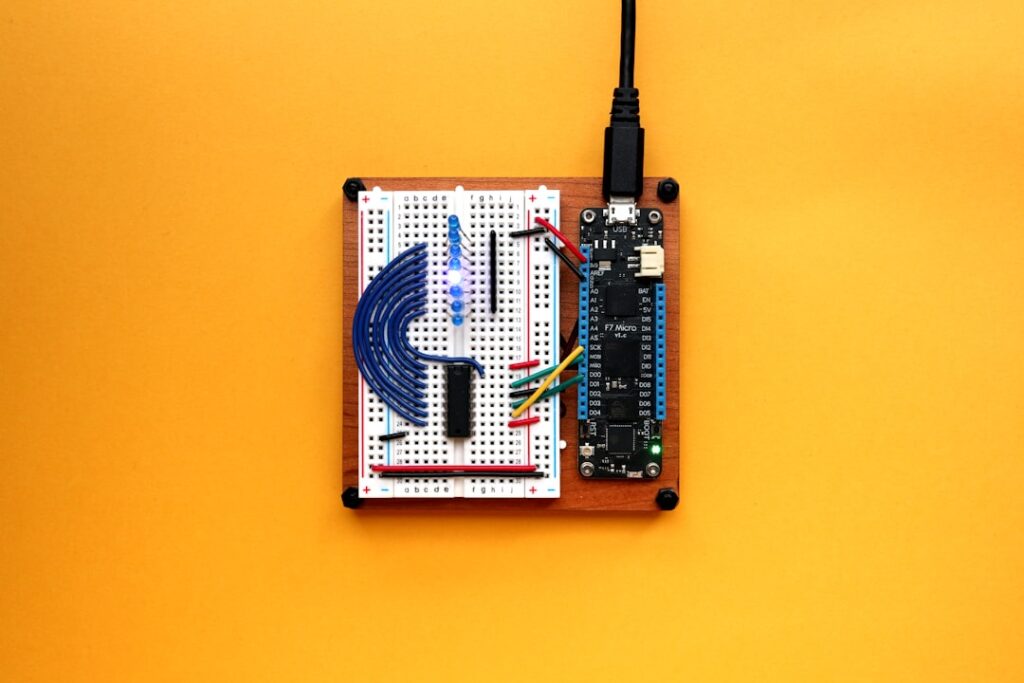
As you navigate the landscape of biodiversity monitoring, you will encounter IoT sensors, which are devices equipped with the capability to collect and transmit data over the internet. These sensors play a pivotal role in gathering real-time information about various environmental parameters, such as temperature, humidity, soil moisture, and even the presence of specific species. By deploying these sensors in diverse ecosystems, you can obtain a wealth of data that can inform conservation efforts and policy decisions.
The integration of IoT sensors into biodiversity monitoring allows for a more comprehensive understanding of ecosystems. You will appreciate how these devices can be strategically placed in remote or hard-to-reach areas, enabling continuous data collection without the need for constant human intervention. This not only increases the efficiency of monitoring efforts but also reduces the potential for human error. As you explore this technology further, you will see how it empowers researchers and conservationists to make data-driven decisions that can significantly impact biodiversity conservation.
Benefits of Using IoT Sensors for Biodiversity Monitoring
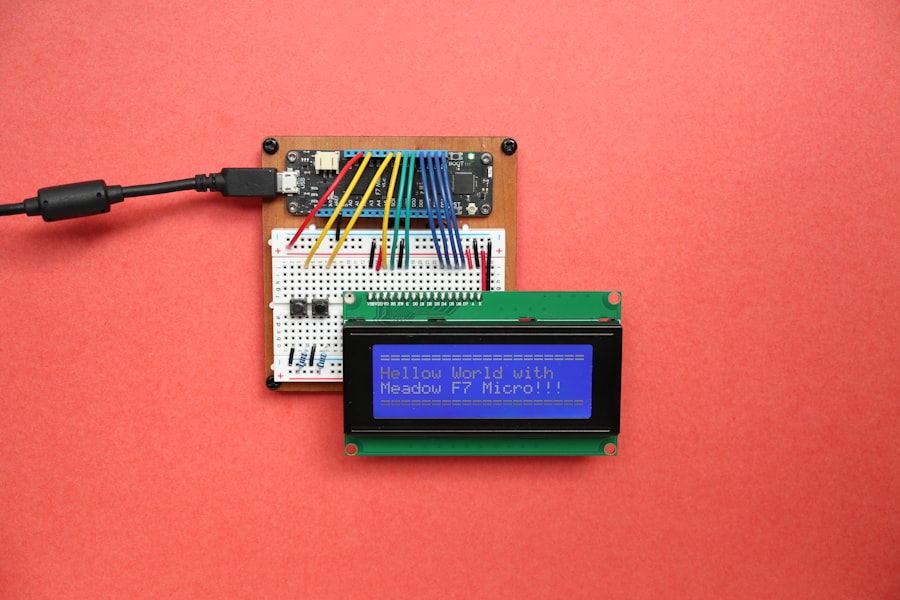
The advantages of utilizing IoT sensors for biodiversity monitoring are manifold. One of the most significant benefits is the ability to collect large volumes of data over extended periods. You will find that traditional monitoring methods often rely on sporadic observations, which can lead to gaps in data and an incomplete understanding of ecological trends. In contrast, IoT sensors provide continuous monitoring capabilities, allowing you to capture fluctuations in biodiversity in real time.
Moreover, IoT sensors enhance the accuracy and reliability of data collection. With automated systems in place, you can minimize human bias and error, leading to more precise measurements. This level of accuracy is crucial when assessing the health of ecosystems and determining the effectiveness of conservation strategies. Additionally, the cost-effectiveness of IoT technology cannot be overlooked. By reducing the need for extensive fieldwork and manual data collection, you can allocate resources more efficiently, ultimately maximizing the impact of your conservation efforts.
Types of IoT Sensors Used for Biodiversity Monitoring
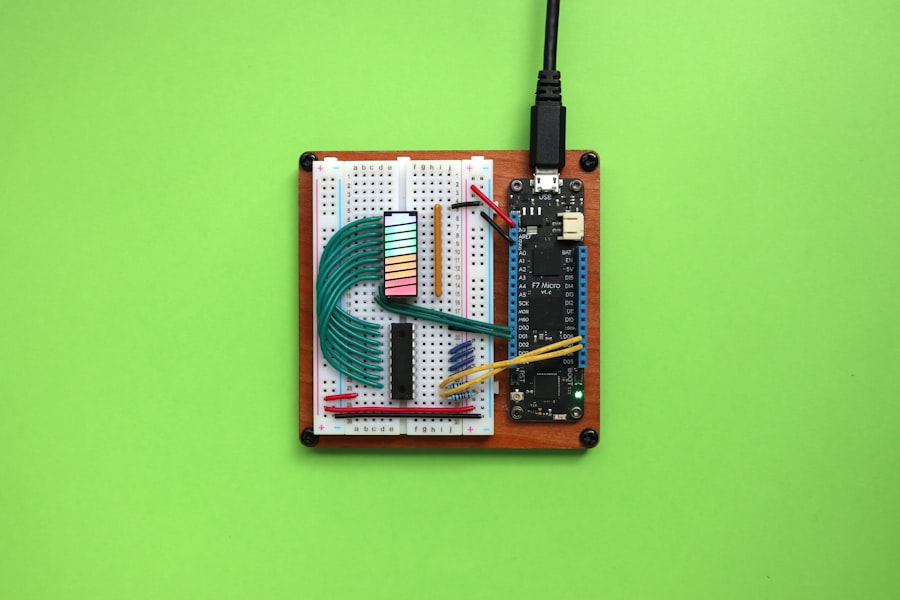
As you delve deeper into the world of IoT sensors, you will encounter various types designed specifically for biodiversity monitoring. Environmental sensors are among the most common, measuring parameters such as temperature, humidity, light levels, and soil moisture. These sensors provide essential data that can help you understand how environmental conditions influence species distribution and behavior.
Another category of IoT sensors includes wildlife tracking devices. These sensors are often attached to animals or placed in their habitats to monitor their movements and behaviors. By using GPS or radio frequency identification (RFID) technology, you can track migration patterns, feeding habits, and social interactions among species. This information is invaluable for understanding population dynamics and identifying critical habitats that require protection.
In exploring the innovative applications of technology for environmental conservation, a related article discusses various consulting products that enhance sustainability efforts. The integration of IoT sensors for biodiversity monitoring is just one example of how technology can play a crucial role in preserving our natural ecosystems. For more insights on sustainable tech solutions, you can visit this link to discover additional resources and products that support ecological initiatives.
Data Collection and Analysis with IoT Sensors
“`html
| Metrics | Value |
|---|---|
| Number of IoT sensors deployed | 500 |
| Species monitored | 100 |
| Data collection frequency | Every 15 minutes |
| Accuracy of sensor data | 95% |
“`
The process of data collection and analysis with IoT sensors is a fascinating aspect of biodiversity monitoring. Once deployed, these sensors continuously gather data that is transmitted to centralized databases for analysis. You will find that this real-time data collection allows for immediate insights into ecological changes, enabling timely responses to emerging threats.
Data analysis techniques have also evolved alongside IoT technology. Advanced algorithms and machine learning models can process vast amounts of data quickly and efficiently. As you explore these analytical tools, you will see how they can identify patterns and trends that may not be immediately apparent through traditional analysis methods. This capability enhances your understanding of biodiversity dynamics and informs more effective conservation strategies.
Case Studies of Successful Biodiversity Monitoring with IoT Sensors
To illustrate the effectiveness of IoT sensors in biodiversity monitoring, consider several case studies that showcase their successful application. In one instance, researchers deployed a network of environmental sensors in a tropical rainforest to monitor microclimatic conditions and their impact on plant diversity. The continuous data collected allowed them to identify correlations between temperature fluctuations and species distribution patterns, leading to targeted conservation efforts.
Another compelling case study involves wildlife tracking using IoT technology in a national park. By equipping elephants with GPS collars, researchers were able to monitor their movements in real time. This data not only provided insights into their migratory patterns but also helped park authorities mitigate human-wildlife conflicts by predicting when elephants would approach agricultural areas. Such proactive measures demonstrate how IoT sensors can facilitate coexistence between wildlife and human communities.
Challenges and Limitations of Using IoT Sensors for Biodiversity Monitoring
While the benefits of IoT sensors in biodiversity monitoring are substantial, there are also challenges and limitations to consider. One significant hurdle is the issue of connectivity in remote areas where many ecosystems exist. You may find that some regions lack reliable internet access or cellular coverage, making it difficult to transmit data from sensors in real time. This limitation can hinder your ability to respond promptly to ecological changes or threats.
Additionally, the initial costs associated with deploying IoT sensors can be prohibitive for some conservation organizations or researchers. While the long-term benefits may outweigh these costs, securing funding for such projects can be a challenge. Furthermore, there is always a risk of technical malfunctions or sensor failures that could compromise data integrity. As you navigate these challenges, it becomes clear that careful planning and resource allocation are essential for successful implementation.
Integration of IoT Sensors with Other Sustainable Tech Solutions
The integration of IoT sensors with other sustainable technology solutions presents exciting opportunities for enhancing biodiversity monitoring efforts. For instance, combining IoT technology with satellite imagery can provide a more comprehensive view of ecosystems. You may find that satellite data can complement ground-level observations by offering insights into land use changes and habitat fragmentation.
Moreover, integrating IoT sensors with artificial intelligence (AI) can further enhance data analysis capabilities. AI algorithms can process complex datasets generated by multiple sensors, identifying trends and anomalies that may require attention. This synergy between technologies allows you to develop more robust conservation strategies that are informed by a holistic understanding of ecological dynamics.
Ethical Considerations in Biodiversity Monitoring with IoT Sensors
As you engage with biodiversity monitoring through IoT sensors, it is essential to consider the ethical implications associated with this technology. One primary concern revolves around privacy issues related to wildlife tracking. You may ponder whether tracking certain species could inadvertently expose them to risks or disrupt their natural behaviors. Striking a balance between monitoring wildlife for conservation purposes and respecting their autonomy is crucial.
Additionally, there are ethical considerations regarding data ownership and usage. As data collected from IoT sensors becomes increasingly valuable for research and policy-making, questions arise about who has access to this information and how it should be used. Ensuring transparency and accountability in data management practices is vital for maintaining public trust and fostering collaboration among stakeholders.
Future Developments and Trends in IoT Sensors for Biodiversity Monitoring
Looking ahead, the future developments in IoT sensors for biodiversity monitoring hold great promise. You may anticipate advancements in sensor technology that enhance their sensitivity and durability, allowing them to withstand harsh environmental conditions while providing even more accurate data. Miniaturization is another trend that could lead to smaller, more efficient sensors capable of being deployed in greater numbers across diverse ecosystems.
Furthermore, as machine learning algorithms continue to evolve, you can expect improved predictive modeling capabilities that will enable more proactive conservation measures. The integration of blockchain technology may also emerge as a means to ensure data integrity and security in biodiversity monitoring efforts. These innovations will undoubtedly shape the landscape of biodiversity conservation in the years to come.
The Importance of Sustainable Tech Solutions for Biodiversity Conservation
In conclusion, your exploration of biodiversity monitoring through IoT sensors reveals a powerful intersection between technology and conservation efforts. The ability to collect real-time data on ecosystems enhances our understanding of biodiversity dynamics and informs effective strategies for protection and restoration. As you reflect on the challenges and ethical considerations associated with this technology, it becomes clear that responsible implementation is key to maximizing its benefits.
Ultimately, sustainable tech solutions like IoT sensors play an indispensable role in safeguarding our planet’s rich biodiversity for future generations. By embracing these innovations and fostering collaboration among researchers, policymakers, and communities, you can contribute to a more sustainable future where both nature and humanity thrive together.