

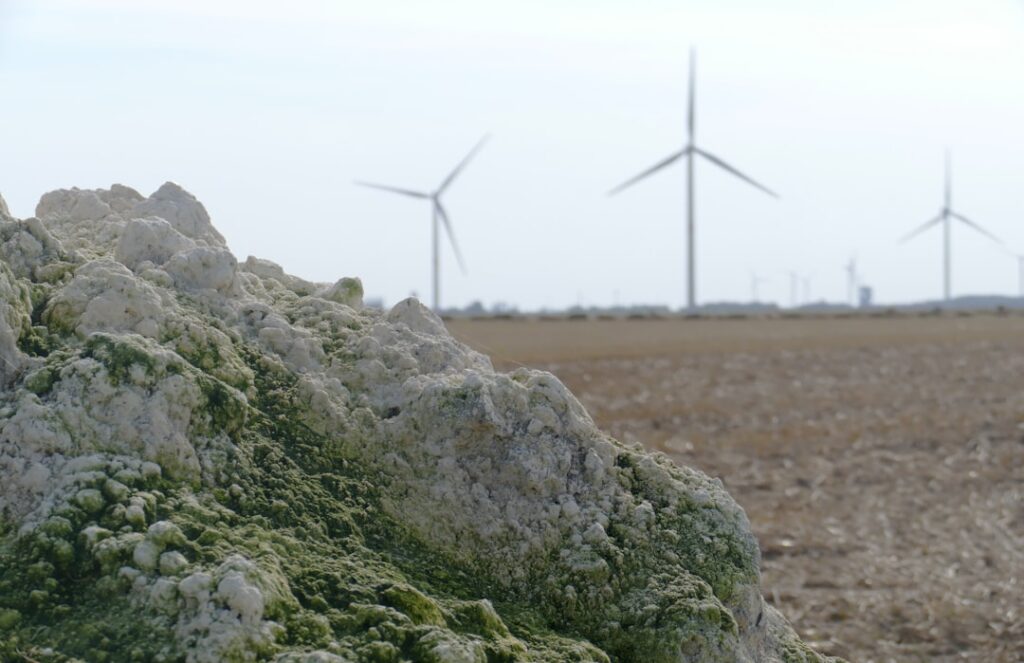
Carbon sequestration is a critical process in the fight against climate change, and it involves capturing and storing atmospheric carbon dioxide (CO2) to mitigate its impact on global warming. You may find it fascinating that this natural process occurs in various ecosystems, including forests, oceans, and soil. Trees and plants absorb CO2 during photosynthesis, effectively acting as carbon sinks. However, human activities, such as deforestation and fossil fuel combustion, have significantly increased atmospheric CO2 levels, necessitating innovative solutions to enhance carbon sequestration.
As you delve deeper into the concept, you will discover that carbon sequestration can be categorized into two main types: biological and geological. Biological sequestration refers to the natural processes that occur in ecosystems, while geological sequestration involves the injection of CO2 into underground rock formations for long-term storage. Understanding these mechanisms is essential for developing effective strategies to enhance carbon capture and storage, ultimately contributing to a more sustainable future.
In the quest for innovative approaches to combat climate change, the article on Sustainable Tech Solutions: AI-Driven Carbon Sequestration Monitoring highlights the transformative potential of artificial intelligence in environmental management. For further insights into various sustainable technologies and their applications, you can explore related resources in this comprehensive list found at this link.
The Role of AI in Carbon Sequestration Monitoring
Artificial Intelligence (AI) is revolutionizing various sectors, and carbon sequestration monitoring is no exception. You may be intrigued to learn how AI technologies can analyze vast amounts of data collected from different sources, such as satellite imagery, sensors, and climate models. By leveraging machine learning algorithms, AI can identify patterns and trends that would be nearly impossible for humans to discern alone. This capability allows for more accurate assessments of carbon sequestration efforts and their effectiveness over time.
Moreover, AI can enhance the efficiency of monitoring systems by automating data collection and analysis processes. Imagine a scenario where drones equipped with AI technology can survey large areas of forest or agricultural land, gathering real-time data on vegetation health and CO2 absorption rates. This not only saves time and resources but also provides you with a more comprehensive understanding of how different ecosystems contribute to carbon sequestration. As you explore this intersection of technology and environmental science, you’ll see how AI is becoming an indispensable tool in the quest for sustainable solutions.
Challenges in Monitoring Carbon Sequestration
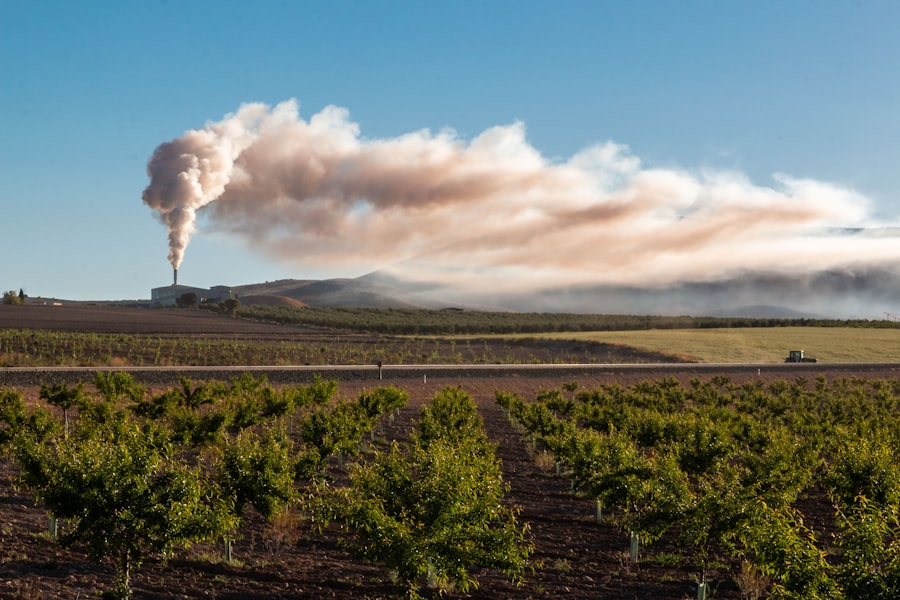
Despite the promising potential of AI in carbon sequestration monitoring, several challenges persist that can hinder effective implementation. One significant issue is the variability in ecosystems and their responses to climate change. You may find it surprising that factors such as soil type, climate conditions, and land use practices can all influence the effectiveness of carbon sequestration efforts. This variability makes it difficult to develop standardized monitoring protocols that can be applied universally.
Additionally, data quality and accessibility pose significant challenges. In many regions, especially in developing countries, there may be a lack of reliable data on land use changes and carbon stocks. You might consider how this gap in information can lead to inaccurate assessments of carbon sequestration potential. Furthermore, integrating data from diverse sources—such as satellite imagery, ground-based measurements, and historical records—requires sophisticated algorithms and robust data management systems. Overcoming these challenges is crucial for ensuring that AI-driven monitoring solutions can deliver accurate and actionable insights.
Benefits of AI-Driven Monitoring Solutions

The advantages of AI-driven monitoring solutions for carbon sequestration are manifold. First and foremost, these technologies enable real-time monitoring of carbon stocks and fluxes, allowing you to track changes as they happen. This immediacy is vital for assessing the effectiveness of various carbon capture strategies and making timely adjustments as needed. With AI’s ability to process large datasets quickly, you can gain insights that were previously unattainable through traditional monitoring methods.
Moreover, AI-driven solutions can enhance predictive modeling capabilities. By analyzing historical data alongside current trends, AI can forecast future carbon sequestration potential under various scenarios. This predictive power empowers policymakers and land managers to make informed decisions about land use practices and conservation efforts. As you consider the implications of these advancements, it’s clear that AI not only streamlines monitoring processes but also enhances our understanding of how best to manage carbon sinks effectively.
In the pursuit of innovative approaches to combat climate change, the article on AI-Driven Carbon Sequestration Monitoring highlights the potential of technology in enhancing sustainability efforts. For those interested in exploring more about various sustainable tech solutions, you can find additional insights in this related article that discusses the latest advancements in eco-friendly technologies. By integrating artificial intelligence into carbon monitoring, we can significantly improve our understanding of carbon capture processes and their effectiveness. To learn more about these exciting developments, visit this link.
Innovations in Sustainable Tech for Carbon Sequestration
“`html
| Metrics | Data |
|---|---|
| Carbon Sequestration Rate | XX tons per year |
| AI Monitoring Accuracy | XX% |
| Sequestration Site Locations | XX sites |
| Monitoring Frequency | XX times per day |
“`
The landscape of sustainable technology is rapidly evolving, with numerous innovations emerging to support carbon sequestration efforts. One notable advancement is the development of advanced sensors that can measure soil carbon levels with unprecedented accuracy. These sensors can provide real-time data on soil health and its capacity to sequester carbon, enabling you to make informed decisions about land management practices.
Additionally, you may be interested in the role of blockchain technology in enhancing transparency and accountability in carbon markets. By creating a decentralized ledger of carbon credits generated through sequestration projects, blockchain can help ensure that these credits are accurately tracked and verified. This innovation not only fosters trust among stakeholders but also incentivizes investment in sustainable practices. As you explore these technological advancements, you’ll see how they collectively contribute to a more robust framework for carbon sequestration.
Implementing AI-Driven Monitoring Systems
Implementing AI-driven monitoring systems for carbon sequestration requires careful planning and collaboration among various stakeholders. You might consider the importance of engaging local communities, researchers, policymakers, and technology providers in the development process. By fostering partnerships among these groups, you can ensure that the monitoring systems are tailored to the specific needs and conditions of the region.
Furthermore, investing in training programs for local personnel is essential for successful implementation. You may recognize that equipping individuals with the skills needed to operate and maintain these advanced systems will enhance their effectiveness over time. Additionally, establishing clear protocols for data sharing and collaboration will facilitate ongoing improvements in monitoring practices. As you reflect on these considerations, it’s evident that a holistic approach is necessary for realizing the full potential of AI-driven monitoring solutions.
Case Studies of Successful AI-Driven Monitoring
Examining case studies of successful AI-driven monitoring initiatives can provide valuable insights into best practices and lessons learned. For instance, you might explore a project in a tropical rainforest where researchers utilized AI algorithms to analyze satellite imagery for deforestation patterns. By identifying areas at risk of losing their carbon storage capacity, local authorities were able to implement targeted conservation measures that significantly enhanced carbon sequestration efforts.
Another compelling example could involve agricultural practices where farmers adopted AI-driven soil sensors to monitor carbon levels in their fields. By adjusting their farming techniques based on real-time data, these farmers not only improved soil health but also increased their land’s capacity to sequester carbon. As you delve into these case studies, you’ll gain a deeper appreciation for how innovative technologies can drive meaningful change in carbon sequestration practices.
The Future of AI-Driven Carbon Sequestration Monitoring
Looking ahead, the future of AI-driven carbon sequestration monitoring appears promising yet complex. As technology continues to advance, you may anticipate even more sophisticated algorithms capable of integrating diverse datasets from various sources seamlessly. This integration will enhance our understanding of how different factors influence carbon sequestration across ecosystems.
Moreover, as public awareness of climate change grows, there will likely be increased demand for transparent reporting on carbon sequestration efforts. You might envision a future where AI-driven monitoring systems provide real-time updates on progress toward climate goals, fostering accountability among stakeholders. This shift could lead to greater investment in sustainable practices as businesses and governments strive to meet their emissions reduction targets.
Collaboration and Partnerships in Sustainable Tech Solutions
Collaboration is key to advancing sustainable tech solutions for carbon sequestration monitoring. You may recognize that no single entity possesses all the expertise or resources needed to tackle this complex challenge effectively. By fostering partnerships among academia, industry leaders, non-profit organizations, and government agencies, you can create a more comprehensive approach to addressing climate change.
These collaborations can take many forms, from joint research initiatives to public-private partnerships aimed at developing innovative technologies. You might consider how sharing knowledge and resources among diverse stakeholders can accelerate progress toward effective carbon sequestration strategies. As you reflect on the importance of collaboration, it’s clear that collective action will be essential for achieving meaningful results in the fight against climate change.
Policy and Regulation for AI-Driven Monitoring
The successful implementation of AI-driven monitoring systems for carbon sequestration also hinges on supportive policy frameworks and regulations. You may find it essential for governments to establish clear guidelines that promote transparency and accountability in carbon markets while encouraging innovation in sustainable technologies. By creating an enabling environment for research and development, policymakers can stimulate investment in AI-driven solutions.
Furthermore, you might consider the role of international agreements in shaping national policies related to carbon sequestration efforts. As countries commit to reducing greenhouse gas emissions under frameworks like the Paris Agreement, there will be an increasing need for robust monitoring systems that provide accurate data on progress toward these goals. By aligning policies with scientific advancements in AI and sustainability, governments can foster a more effective response to climate change.
Overcoming Barriers to Adoption of Sustainable Tech Solutions
Despite the potential benefits of AI-driven monitoring solutions for carbon sequestration, several barriers may impede their widespread adoption. One significant challenge is the initial cost associated with implementing advanced technologies. You might empathize with stakeholders who are hesitant to invest in new systems without clear evidence of their long-term benefits.
Additionally, there may be resistance to change among traditional industries accustomed to established practices. You may recognize that overcoming this inertia requires effective communication about the advantages of adopting innovative technologies for sustainability. By highlighting success stories and demonstrating tangible results from early adopters, you can help build momentum for broader acceptance of sustainable tech solutions.
In conclusion, as you navigate the complexities surrounding carbon sequestration monitoring through AI-driven solutions, it’s essential to remain optimistic about the potential for innovation and collaboration in addressing climate change challenges. By understanding the intricacies involved and actively engaging with stakeholders across sectors, you can contribute to a more sustainable future where effective monitoring plays a pivotal role in enhancing our planet’s resilience against climate change.