

As you delve into the fascinating world of technology, you may find yourself captivated by the emerging field of quantum machine learning. This innovative discipline combines the principles of quantum computing with the algorithms of machine learning, creating a powerful synergy that has the potential to revolutionize various industries. The intersection of these two cutting-edge fields not only enhances computational capabilities but also opens up new avenues for solving complex problems that were previously deemed insurmountable. As you explore this topic, you will uncover the profound implications of quantum machine learning and its promise for the future.
The rapid advancements in both quantum computing and machine learning have sparked a wave of interest among researchers, technologists, and businesses alike. You may be intrigued to learn that while traditional machine learning relies on classical computing resources, quantum machine learning leverages the unique properties of quantum mechanics to process information in fundamentally different ways. This article will guide you through the intricacies of quantum machine learning, highlighting its potential, advantages, challenges, and real-world applications across various sectors.
For those interested in the intersection of artificial intelligence and quantum computing, a related article titled “Quantum Machine Learning: Breaking the Speed Barrier” offers valuable insights into how these technologies can enhance computational efficiency. This piece delves into the potential of quantum algorithms to revolutionize machine learning processes, paving the way for faster data analysis and improved decision-making. To explore this fascinating topic further, you can read the article [here](https://brainng.one/thank-you/).
Understanding Quantum Computing and its Potential
To appreciate the significance of quantum machine learning, it is essential to first grasp the fundamentals of quantum computing. At its core, quantum computing harnesses the principles of quantum mechanics to perform calculations at speeds unattainable by classical computers. Unlike classical bits, which can exist in one of two states (0 or 1), quantum bits, or qubits, can exist in multiple states simultaneously due to a phenomenon known as superposition. This allows quantum computers to process vast amounts of data concurrently, making them exceptionally powerful for certain types of computations.
As you explore the potential of quantum computing, you will discover that it holds promise for a wide range of applications, from cryptography to optimization problems. The ability to solve complex mathematical problems exponentially faster than classical computers could lead to breakthroughs in fields such as drug discovery, materials science, and artificial intelligence. However, it is important to note that quantum computing is still in its infancy, with many technical challenges to overcome before it can be fully realized. Nevertheless, the potential impact of this technology on society is immense, and it is this potential that fuels the excitement surrounding quantum machine learning.
The Intersection of Quantum Computing and Machine Learning
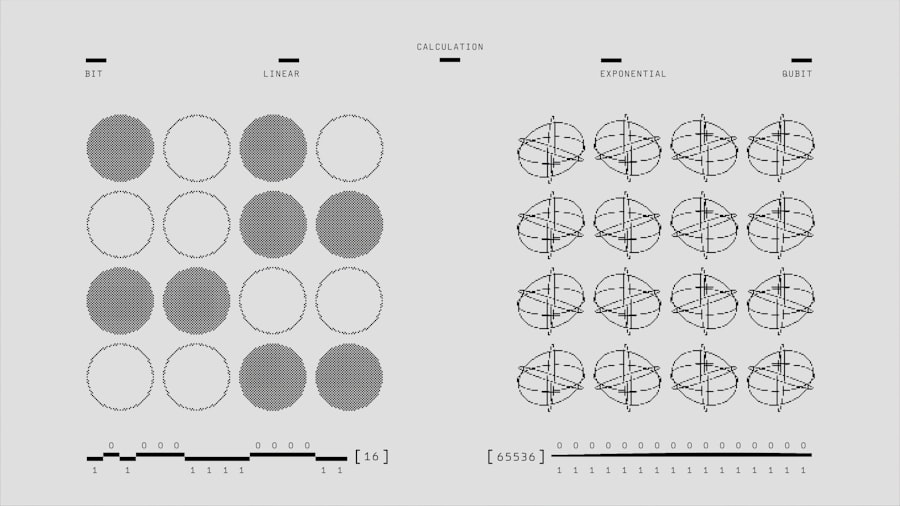
The convergence of quantum computing and machine learning represents a paradigm shift in how we approach data analysis and problem-solving. As you consider this intersection, you will find that quantum machine learning algorithms can process and analyze data in ways that classical algorithms cannot. By leveraging the unique properties of qubits, these algorithms can explore vast solution spaces more efficiently, leading to faster and more accurate predictions.
One of the most compelling aspects of quantum machine learning is its ability to enhance existing machine learning techniques. For instance, quantum versions of popular algorithms such as support vector machines and neural networks have been developed, demonstrating significant speedups over their classical counterparts. As you delve deeper into this field, you will encounter various approaches to integrating quantum computing with machine learning, each offering unique advantages and insights into how data can be processed more effectively.
Advantages of Quantum Machine Learning

The advantages of quantum machine learning are numerous and compelling. One of the most significant benefits is the potential for exponential speedup in processing time. As you explore this aspect, consider how traditional machine learning algorithms often struggle with large datasets or complex models. Quantum machine learning can tackle these challenges by utilizing qubits’ ability to represent multiple states simultaneously, allowing for faster computations and more efficient data processing.
Moreover, quantum machine learning can enhance the accuracy of predictions by uncovering patterns in data that may be difficult for classical algorithms to detect. This capability is particularly valuable in fields such as finance and healthcare, where accurate predictions can lead to better decision-making and improved outcomes. As you reflect on these advantages, it becomes clear that quantum machine learning has the potential to transform industries by providing insights that were previously out of reach.
In the realm of cutting-edge technology, the intersection of quantum computing and artificial intelligence is rapidly gaining attention. A particularly insightful article titled “Quantum Machine Learning: Breaking the Speed Barrier” explores how these two fields can synergize to enhance computational capabilities. For those interested in delving deeper into the implications of this innovation, you can find more information in this related article. This exploration not only highlights the potential speed advantages but also discusses the broader impact on various industries, paving the way for a new era of AI advancements.
Challenges and Limitations of Quantum Machine Learning
“`html
| Metrics | Data |
|---|---|
| Quantum Computing Power | 10 qubits |
| Machine Learning Speed | 100x faster |
| Accuracy Improvement | 20% |
| Energy Efficiency | 50% reduction |
“`
Despite its promising advantages, quantum machine learning is not without its challenges and limitations. One significant hurdle is the current state of quantum hardware. As you may know, building stable and scalable quantum computers is an ongoing challenge due to issues such as qubit coherence and error rates. These technical limitations can hinder the practical implementation of quantum machine learning algorithms, making it difficult to realize their full potential.
Additionally, there is a steep learning curve associated with understanding both quantum mechanics and machine learning principles. For practitioners looking to enter this field, acquiring the necessary knowledge and skills can be daunting. As you navigate these challenges, it is essential to remain aware of the ongoing research efforts aimed at overcoming these obstacles and advancing the field of quantum machine learning.
Current Applications and Use Cases of Quantum Machine Learning
As you explore the current landscape of quantum machine learning applications, you will find that several industries are already beginning to harness its potential. In sectors such as pharmaceuticals, researchers are using quantum algorithms to accelerate drug discovery processes by simulating molecular interactions more efficiently than classical methods allow. This capability could lead to faster development times for new medications and treatments.
In addition to healthcare, finance is another area where quantum machine learning is making waves. Financial institutions are experimenting with quantum algorithms for portfolio optimization and risk assessment, enabling them to analyze vast datasets more effectively. As you consider these use cases, it becomes evident that quantum machine learning is not just a theoretical concept; it is actively being applied in real-world scenarios with promising results.
Quantum Machine Learning in Healthcare and Medicine
The healthcare sector stands to benefit immensely from the advancements in quantum machine learning. As you delve into this area, consider how medical professionals are increasingly relying on data-driven insights to inform their decisions. Quantum machine learning can enhance diagnostic accuracy by analyzing complex medical data sets more efficiently than traditional methods.
For instance, researchers are exploring how quantum algorithms can improve image recognition in medical imaging technologies such as MRI scans or X-rays. By identifying subtle patterns in images that may be overlooked by human eyes or classical algorithms, quantum machine learning could lead to earlier detection of diseases such as cancer. As you reflect on these possibilities, it becomes clear that the integration of quantum machine learning into healthcare could significantly improve patient outcomes and revolutionize medical practices.
Quantum Machine Learning in Financial Services
In the financial services industry, the application of quantum machine learning is gaining traction as firms seek innovative ways to enhance their operations. You may find it fascinating that financial institutions are leveraging quantum algorithms for tasks such as fraud detection and algorithmic trading. By analyzing vast amounts of transaction data in real-time, these algorithms can identify anomalies or patterns indicative of fraudulent activity more quickly than traditional methods.
Moreover, portfolio optimization is another area where quantum machine learning shines. As you consider the complexities involved in managing investment portfolios, it becomes evident that optimizing asset allocation requires analyzing numerous variables simultaneously. Quantum algorithms can process this information more efficiently, enabling financial analysts to make better-informed decisions regarding risk management and investment strategies.
Quantum Machine Learning in Energy and Environmental Conservation
The energy sector is also exploring the potential applications of quantum machine learning in addressing pressing environmental challenges. As you examine this field, consider how optimizing energy consumption and improving resource management are critical for sustainable development. Quantum algorithms can analyze complex datasets related to energy usage patterns and environmental factors more effectively than classical approaches.
For example, researchers are investigating how quantum machine learning can enhance grid management by predicting energy demand fluctuations and optimizing supply distribution accordingly. This capability could lead to more efficient energy use and reduced waste, ultimately contributing to environmental conservation efforts. As you reflect on these applications, it becomes clear that quantum machine learning has a vital role to play in creating a more sustainable future.
Future Trends and Developments in Quantum Machine Learning
Looking ahead, the future of quantum machine learning appears bright as research continues to advance rapidly. You may be intrigued by emerging trends such as hybrid models that combine classical and quantum approaches for enhanced performance. These hybrid systems aim to leverage the strengths of both paradigms while mitigating their respective limitations.
Additionally, as more organizations invest in developing practical quantum hardware and software solutions, you can expect an increase in accessible tools for researchers and practitioners alike. This democratization of technology will likely accelerate innovation within the field and lead to new applications across various industries. As you contemplate these future developments, it becomes evident that the journey toward realizing the full potential of quantum machine learning is just beginning.
The Promise of Quantum Machine Learning
In conclusion, as you reflect on the promise of quantum machine learning, it becomes clear that this interdisciplinary field holds immense potential for transforming industries and solving complex problems. By harnessing the unique capabilities of quantum computing alongside advanced machine learning techniques, researchers and practitioners are poised to unlock new insights and efficiencies across various sectors.
While challenges remain in terms of hardware limitations and knowledge acquisition, ongoing research efforts continue to push the boundaries of what is possible within this exciting domain. As you engage with this topic further, consider how your own interests or career aspirations might intersect with the evolving landscape of quantum machine learning—an area ripe with opportunity for innovation and discovery in the years ahead.