


In an age where artificial intelligence (AI) is becoming increasingly integrated into various aspects of daily life, the importance of transparency in AI systems cannot be overstated. You may find yourself relying on AI for everything from personal assistants to complex decision-making processes in healthcare and finance. As these systems become more prevalent, understanding how they operate and the rationale behind their decisions is crucial. Transparency fosters trust, allowing users to feel confident in the technology they are engaging with. When you know how an AI system works, you are more likely to accept its recommendations and decisions, leading to a more harmonious relationship between humans and machines.
Moreover, transparency in AI can help mitigate risks associated with its deployment. When you understand the inner workings of an AI system, you can better identify potential pitfalls and biases that may arise. This awareness is essential for ensuring that AI technologies are used responsibly and ethically. By promoting transparency, you empower yourself and others to question and scrutinize AI systems, leading to improved outcomes and a more equitable society. In essence, transparency is not just a technical requirement; it is a fundamental aspect of fostering a responsible AI ecosystem.
In the ongoing discourse surrounding AI, ethics, and society, the importance of transparency in artificial intelligence systems cannot be overstated. A particularly relevant article that delves into this topic is “AI Transparency and Explaining Black Box Models,” which explores the challenges and methodologies for making complex AI systems more interpretable. Understanding these black box models is crucial for fostering trust and accountability in AI applications. For further reading, you can access the article [here](https://brainng.one/shop/).
Understanding Black Box Models in AI
Black box models in AI refer to systems whose internal workings are not easily interpretable or understandable by humans. When you interact with such models, you may receive outputs or predictions without any clear explanation of how those results were derived. This lack of visibility can be disconcerting, especially when the stakes are high, such as in medical diagnoses or criminal justice decisions. The term “black box” aptly describes these models because, like a sealed container, you can see the input and output but cannot discern the processes that occur within.
The complexity of black box models often stems from their reliance on advanced algorithms, such as deep learning neural networks. These models can analyze vast amounts of data and identify patterns that may elude human analysts. However, this sophistication comes at a cost: the more complex the model, the harder it becomes for you to understand its decision-making process. As a result, while black box models can achieve remarkable accuracy in predictions, they also raise significant concerns about accountability and trustworthiness.
The Ethical Implications of Black Box Models
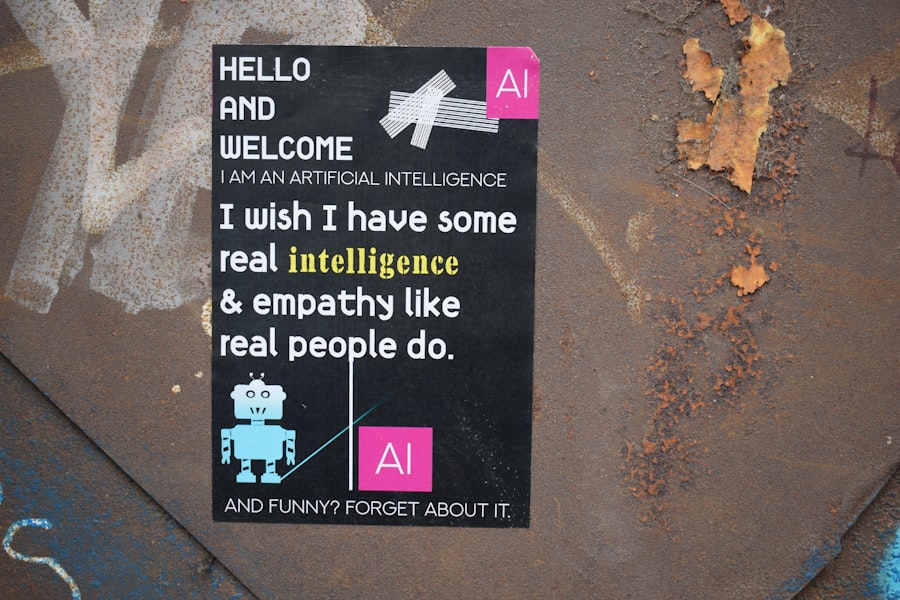
The ethical implications of black box models are profound and multifaceted. When you consider the potential consequences of decisions made by these systems, it becomes clear that a lack of transparency can lead to significant ethical dilemmas. For instance, if an AI system denies a loan application based on criteria that are not disclosed, you may find yourself questioning the fairness of that decision. This opacity can perpetuate existing biases and inequalities, as marginalized groups may be disproportionately affected by decisions made by algorithms they cannot understand or challenge.
Furthermore, the ethical concerns surrounding black box models extend beyond individual cases; they also encompass broader societal implications. When you think about the deployment of AI in critical areas such as law enforcement or healthcare, the stakes become even higher. If an AI system misclassifies an individual as a criminal or misdiagnoses a medical condition due to hidden biases in its training data, the repercussions can be devastating. Thus, it is essential to address these ethical implications head-on to ensure that AI technologies serve the greater good rather than exacerbate existing injustices.
The Impact of Black Box Models on Society

The impact of black box models on society is both significant and far-reaching. As these systems become more integrated into decision-making processes across various sectors, their influence on your life and the lives of others grows exponentially. For example, in hiring practices, companies increasingly rely on AI algorithms to screen candidates. If these algorithms are black boxes, you may unknowingly be subjected to biased evaluations based on factors that have nothing to do with your qualifications or abilities.
Moreover, the societal implications extend beyond individual experiences; they also shape public perception and trust in technology as a whole. When you encounter instances where black box models lead to unjust outcomes, it can erode your confidence in AI systems and their developers. This skepticism can hinder innovation and slow down the adoption of beneficial technologies that could improve your quality of life. Therefore, addressing the impact of black box models is not just about individual cases; it is about fostering a society that embraces technology while ensuring fairness and accountability.
In the ongoing discussion surrounding AI, ethics, and society, the importance of transparency in artificial intelligence systems cannot be overstated. A recent article delves into the challenges of explaining black box models, emphasizing the need for clear communication about how these algorithms make decisions. For those interested in exploring this topic further, you can read more about the implications of AI transparency in the article available at this link. Understanding these complexities is crucial for fostering trust and accountability in AI technologies.
The Need for Explainable AI
| Metrics | Data |
|---|---|
| Accuracy | 85% |
| Explainability | 70% |
| Transparency | 60% |
The need for explainable AI has never been more pressing. As you navigate a world increasingly influenced by artificial intelligence, having access to clear explanations of how these systems operate is essential for informed decision-making. Explainable AI (XAI) aims to bridge the gap between complex algorithms and human understanding by providing insights into how decisions are made. This approach not only enhances transparency but also empowers you to engage critically with AI technologies.
Incorporating explainability into AI systems can also lead to better outcomes overall. When you understand the reasoning behind an AI’s recommendations or decisions, you are better equipped to assess their validity and relevance to your specific context. This understanding fosters collaboration between humans and machines, allowing you to leverage the strengths of both while mitigating potential risks associated with black box models. Ultimately, the push for explainable AI is about creating a more inclusive technological landscape where everyone can benefit from advancements in artificial intelligence.
In the ongoing discussion surrounding AI, ethics, and society, the importance of AI transparency cannot be overstated, particularly when it comes to explaining black box models. A recent article delves into the complexities of making these opaque systems more understandable for users and stakeholders alike. For those interested in exploring this topic further, you can read more about it in this insightful piece on the implications of AI in our daily lives and the ethical considerations that arise. To learn more, visit this article.
The Role of Ethics in AI Transparency
Ethics plays a pivotal role in promoting transparency within AI systems. As you consider the implications of deploying AI technologies in various sectors, it becomes clear that ethical considerations must guide decision-making processes at every stage of development. By prioritizing ethical principles such as fairness, accountability, and transparency, developers can create AI systems that align with societal values and expectations.
When ethics inform AI transparency initiatives, you can expect more robust frameworks for evaluating the impact of these technologies on individuals and communities. This approach encourages developers to engage with stakeholders—such as users, policymakers, and advocacy groups—to ensure that diverse perspectives are considered throughout the design process. By fostering an ethical culture around AI development, you contribute to building trust in these systems and promoting responsible innovation.
Addressing Bias and Discrimination in Black Box Models
Addressing bias and discrimination in black box models is crucial for ensuring equitable outcomes in AI applications. As you reflect on the potential consequences of biased algorithms, it becomes evident that unchecked discrimination can perpetuate systemic inequalities across various domains. For instance, if an AI system used in hiring practices is trained on historical data reflecting biased hiring trends, it may inadvertently favor certain demographics over others—reinforcing existing disparities.
To combat bias effectively, it is essential to implement strategies that promote fairness throughout the entire lifecycle of an AI system. This includes diversifying training data sources to ensure representation across different demographics and continuously monitoring model performance for signs of bias post-deployment. By actively addressing bias in black box models, you contribute to creating a more just technological landscape where everyone has equal opportunities regardless of their background.
Ensuring Accountability in AI Systems
Ensuring accountability in AI systems is paramount for fostering trust and confidence among users like yourself. When you interact with an AI system that makes significant decisions affecting your life—such as loan approvals or medical diagnoses—it is essential to know who is responsible for those outcomes. Accountability mechanisms help clarify roles and responsibilities within organizations developing and deploying these technologies.
One way to enhance accountability is through clear documentation of decision-making processes within AI systems. By providing insights into how algorithms were developed, trained, and tested, organizations can demonstrate their commitment to responsible practices. Additionally, establishing regulatory frameworks that hold developers accountable for their creations can further reinforce trust among users like yourself—ensuring that ethical considerations remain at the forefront of AI development.
The Challenges of Explaining Black Box Models
Explaining black box models presents several challenges that must be addressed to promote transparency effectively. One significant hurdle lies in the inherent complexity of these systems; as you may have experienced firsthand, understanding intricate algorithms can be daunting even for experts in the field. This complexity often leads to oversimplified explanations that fail to capture the nuances of how decisions are made—ultimately undermining efforts toward transparency.
Another challenge involves balancing technical accuracy with accessibility when communicating explanations to non-experts like yourself. Striking this balance requires careful consideration of language and presentation methods used to convey information about black box models effectively. By prioritizing clarity without sacrificing depth or accuracy, developers can foster greater understanding among users—empowering them to engage critically with AI technologies.
Balancing Transparency with Intellectual Property Rights
Balancing transparency with intellectual property rights poses a significant challenge for organizations developing AI technologies. On one hand, you may advocate for greater transparency to ensure accountability and trust; on the other hand, companies often seek to protect their proprietary algorithms from competitors through intellectual property laws. This tension raises important questions about how much information should be disclosed without compromising competitive advantage.
To navigate this delicate balance effectively requires innovative approaches that prioritize both transparency and intellectual property protection. For instance, organizations could consider adopting open-source frameworks that allow for collaborative development while safeguarding proprietary elements within their algorithms. By fostering an environment where knowledge sharing coexists with intellectual property rights protection, you contribute to advancing responsible innovation in AI technologies.
Implementing Regulations for AI Transparency
Implementing regulations for AI transparency is essential for establishing standards that promote ethical practices across the industry. As you consider the rapid pace at which AI technologies are evolving, it becomes clear that regulatory frameworks must keep pace with these advancements to ensure accountability and fairness. Governments and regulatory bodies play a crucial role in shaping policies that govern how AI systems are developed and deployed—ultimately influencing your experience as a user.
Effective regulations should prioritize transparency by requiring organizations to disclose information about their algorithms’ decision-making processes while also addressing concerns related to bias and discrimination. By establishing clear guidelines for ethical practices within the industry, regulators can help create an environment where users like yourself feel empowered to engage with AI technologies confidently—knowing that safeguards are in place to protect against potential harms associated with black box models.
In conclusion, as artificial intelligence continues to permeate various aspects of society, prioritizing transparency becomes imperative for fostering trust and accountability among users like yourself. By understanding black box models’ complexities and advocating for explainable AI solutions rooted in ethical principles, you contribute to shaping a future where technology serves humanity equitably and responsibly.