


Last-mile logistics is a critical component of the supply chain, representing the final leg of the delivery process from a distribution center to the end consumer. This segment is often the most complex and costly part of logistics, as it involves navigating urban environments, managing customer expectations, and ensuring timely deliveries. As e-commerce continues to grow, the demand for efficient last-mile solutions has surged, prompting businesses to explore innovative technologies that can streamline operations and enhance customer satisfaction. You may find yourself wondering how companies are adapting to these challenges and what role technology plays in shaping the future of last-mile logistics.
In recent years, the focus on last-mile logistics has intensified due to the rise of online shopping and the increasing expectations of consumers for fast and reliable delivery services. The traditional methods of delivery are being scrutinized, as they often lead to inefficiencies and higher operational costs. As a result, businesses are seeking alternatives that not only improve efficiency but also reduce their carbon footprint. This is where autonomous mobile robots (AMRs) come into play, offering a promising solution to the challenges faced in last-mile logistics.
In the context of the ongoing advancements in robotics, the article titled “The Future of Delivery: How Drones and Robots are Transforming Last-Mile Logistics” provides valuable insights into the integration of autonomous technologies in supply chain management. This piece complements the discussion in “Robotics Revolution: Autonomous Mobile Robots for Last-Mile Logistics” by exploring the various ways in which drones and ground-based robots are enhancing efficiency and reducing costs in the delivery process. For more information, you can read the article here: The Future of Delivery.
The Rise of Autonomous Mobile Robots
The emergence of autonomous mobile robots marks a significant shift in how goods are transported and delivered. These robots are designed to navigate various environments independently, utilizing advanced sensors and algorithms to move efficiently from one point to another. You might be surprised to learn that AMRs are not just a futuristic concept; they are already being deployed in warehouses, retail spaces, and urban areas to facilitate deliveries. Their ability to operate without human intervention makes them an attractive option for businesses looking to optimize their last-mile logistics.
As technology continues to advance, the capabilities of AMRs have expanded dramatically. They can now handle a variety of tasks, from transporting packages within a facility to delivering goods directly to customers’ doorsteps. The rise of e-commerce has accelerated the adoption of these robots, as companies seek ways to meet the growing demand for quick and efficient delivery services. You may notice that many retailers are investing in AMR technology to enhance their operational efficiency and improve customer experiences.
Advantages of Autonomous Mobile Robots in Last-Mile Logistics

One of the most significant advantages of autonomous mobile robots in last-mile logistics is their ability to reduce operational costs. By automating delivery processes, businesses can minimize labor expenses and optimize resource allocation. You might find it interesting that AMRs can operate around the clock without the need for breaks or shifts, leading to increased productivity and faster delivery times. This efficiency not only benefits companies but also enhances customer satisfaction by providing quicker service.
Another key benefit of AMRs is their potential to improve delivery accuracy. Equipped with advanced navigation systems and real-time tracking capabilities, these robots can navigate complex urban environments with precision. You may appreciate how this technology reduces the likelihood of human error, ensuring that packages are delivered to the correct locations promptly. Additionally, AMRs can adapt to changing conditions, such as traffic or obstacles, allowing them to find alternative routes and maintain delivery schedules.
Types of Autonomous Mobile Robots
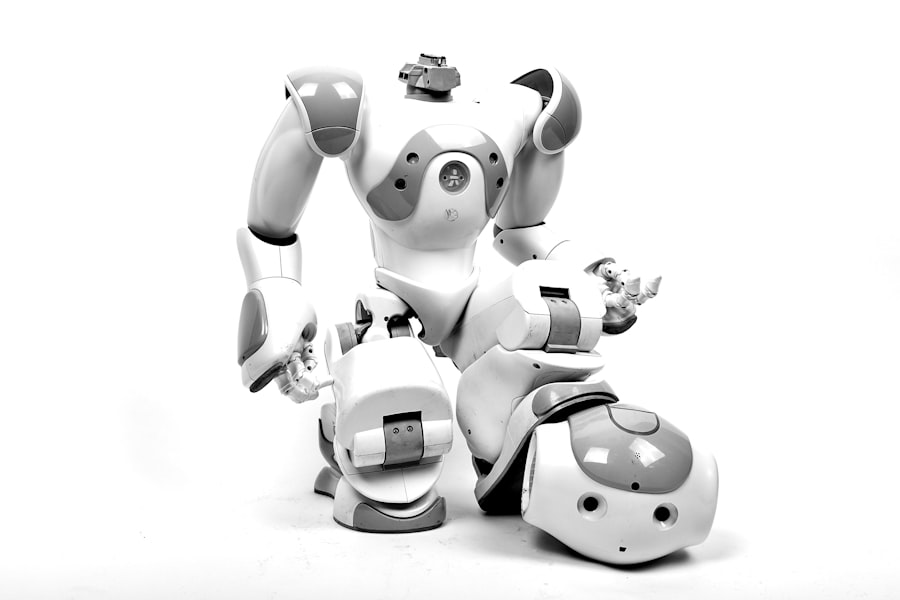
There are several types of autonomous mobile robots designed for various applications within last-mile logistics. One common type is the delivery robot, which is typically small and designed for navigating sidewalks and pedestrian areas. These robots can transport packages directly to customers’ homes or designated pickup points. You may have seen these robots in action in urban settings, where they seamlessly blend into the environment while delivering goods.
Another type of AMR is the warehouse robot, which operates within distribution centers or fulfillment centers. These robots are larger and designed for transporting goods over longer distances within a facility. They can efficiently move items from storage areas to packing stations, streamlining the order fulfillment process. You might find it fascinating that some companies are even experimenting with hybrid models that combine both delivery and warehouse functionalities, further enhancing their logistics capabilities.
In the context of the ongoing advancements in logistics, the article on the Robotics Revolution highlights the significant impact of autonomous mobile robots in last-mile delivery. For a deeper understanding of how these technologies are reshaping supply chains, you can explore a related piece that discusses the challenges and innovations in this field. This insightful read can be found here, providing a comprehensive overview of the future of automated logistics solutions.
Integration of Artificial Intelligence in Autonomous Mobile Robots
| Metrics | Data |
|---|---|
| Market Size | X billion |
| Number of Autonomous Mobile Robots | X units |
| Adoption Rate | X% |
| Cost Savings | X% |
| Efficiency Improvement | X% |
Artificial intelligence (AI) plays a crucial role in enhancing the capabilities of autonomous mobile robots. By integrating AI algorithms, these robots can learn from their environments and improve their navigation skills over time. You may be intrigued by how AI enables AMRs to analyze data from sensors and cameras, allowing them to make real-time decisions based on their surroundings. This adaptability is essential for navigating dynamic urban landscapes where conditions can change rapidly.
Moreover, AI enhances the efficiency of route planning for AMRs. By analyzing traffic patterns, weather conditions, and other variables, AI can help these robots determine the most efficient paths for deliveries. You might appreciate how this not only saves time but also reduces fuel consumption and emissions, contributing to more sustainable logistics practices. As AI technology continues to evolve, you can expect even greater advancements in the capabilities of autonomous mobile robots.
Challenges and Limitations of Autonomous Mobile Robots
Despite their many advantages, autonomous mobile robots face several challenges and limitations in last-mile logistics. One significant hurdle is navigating complex urban environments filled with pedestrians, vehicles, and unpredictable obstacles. You may find it concerning that while AMRs are equipped with advanced sensors, they can still struggle with certain situations, such as crowded sidewalks or inclement weather conditions. This unpredictability can lead to delays in deliveries and impact overall efficiency.
Another challenge is regulatory compliance. As AMRs become more prevalent in urban areas, local governments are grappling with how to regulate their use effectively. You might be aware that regulations regarding sidewalk usage, speed limits, and safety measures vary widely from one location to another. This patchwork of regulations can create confusion for businesses looking to implement AMR technology in their last-mile logistics operations.
Case Studies of Successful Implementation
Several companies have successfully implemented autonomous mobile robots in their last-mile logistics operations, showcasing the potential of this technology. For instance, a well-known grocery chain has deployed delivery robots in select urban areas to transport groceries directly to customers’ homes. You may be impressed by how these robots have not only improved delivery times but also reduced operational costs for the company.
Another notable case study involves a major e-commerce retailer that has integrated AMRs into its fulfillment centers. By utilizing warehouse robots to transport items within the facility, the company has significantly increased its order processing speed. You might find it fascinating that this implementation has allowed them to meet rising consumer demands while maintaining high levels of accuracy in order fulfillment.
Future Trends in Last-Mile Logistics with Autonomous Mobile Robots
As technology continues to advance, you can expect several trends to shape the future of last-mile logistics with autonomous mobile robots. One emerging trend is the increased collaboration between AMRs and human workers. Rather than replacing human labor entirely, these robots will likely work alongside employees to enhance efficiency and productivity. You may find this collaborative approach appealing as it allows businesses to leverage the strengths of both humans and machines.
Another trend is the expansion of AMR capabilities beyond urban environments. As technology improves, you might see these robots being deployed in rural areas or less densely populated regions where traditional delivery methods may be less efficient. This expansion could open up new markets for businesses and provide consumers with access to faster delivery options regardless of their location.
Regulations and Safety Measures for Autonomous Mobile Robots
The integration of autonomous mobile robots into last-mile logistics raises important questions about regulations and safety measures. As these robots become more common on public streets and sidewalks, you may be concerned about ensuring their safe operation alongside pedestrians and vehicles. Local governments will need to establish clear guidelines regarding speed limits, designated pathways, and operational hours for AMRs.
Additionally, safety measures must be implemented to protect both the robots and the public. You might find it reassuring that many companies are investing in advanced safety features for their AMRs, such as obstacle detection systems and emergency stop mechanisms. These technologies help ensure that robots can navigate safely through crowded environments while minimizing risks to pedestrians.
Impact of Autonomous Mobile Robots on the Labor Force
The rise of autonomous mobile robots in last-mile logistics inevitably raises questions about their impact on the labor force. While some may fear job displacement due to automation, you might be interested to learn that many experts believe AMRs will create new job opportunities rather than eliminate them entirely. As businesses adopt this technology, there will be a growing demand for skilled workers who can manage and maintain these robotic systems.
Moreover, you may appreciate how AMRs can take over repetitive or physically demanding tasks, allowing human workers to focus on more complex responsibilities that require critical thinking and creativity. This shift could lead to a more engaged workforce and higher job satisfaction as employees take on roles that align with their skills and interests.
The Future of Last-Mile Logistics with Autonomous Mobile Robots
In conclusion, autonomous mobile robots represent a transformative force in last-mile logistics, offering innovative solutions to some of the industry’s most pressing challenges. As you reflect on the potential benefits of AMRs—such as reduced operational costs, improved delivery accuracy, and enhanced customer satisfaction—it becomes clear that these technologies are poised to play a significant role in shaping the future of logistics.
While challenges remain regarding navigation complexities and regulatory compliance, ongoing advancements in AI and robotics will likely address these issues over time. As businesses continue to explore the integration of autonomous mobile robots into their operations, you can expect a future where last-mile logistics becomes more efficient, sustainable, and responsive to consumer needs. The journey toward this future is just beginning, but it holds great promise for both businesses and consumers alike.