

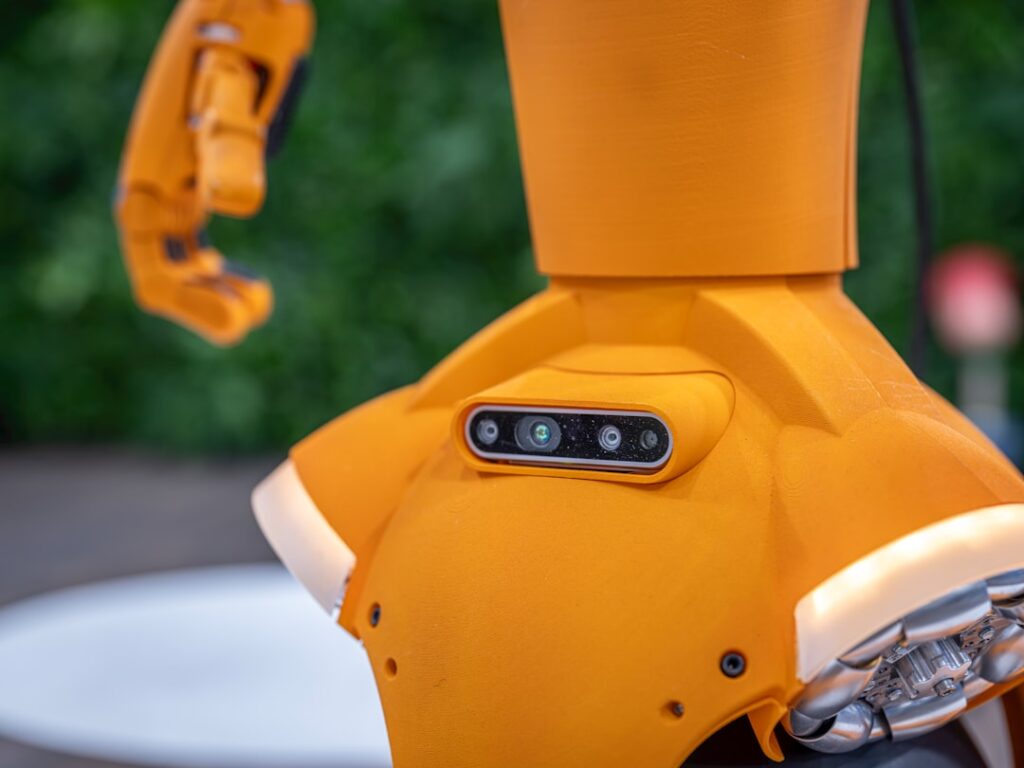
The integration of robotics into small and medium-sized enterprises (SMEs) represents a significant shift in industrial practices. This ‘Robotics Revolution’ is characterized not merely by the deployment of automated systems, but by the evolving nature of the interaction between humans and these systems. This article explores the facilitators and challenges of human-robot collaboration (HRC) in SMEs, moving beyond the traditional automation paradigm to a more symbiotic relationship.
Historically, robotics was often perceived as a tool for large-scale, repetitive manufacturing, primarily within automotive or electronics industries. The cost, complexity, and specialized skill requirements presented significant barriers to entry for SMEs. However, recent technological advancements have democratized access to these technologies.
Evolution of Robotic Systems
The development of collaborative robots (cobots) stands as a cornerstone of this shift. Unlike traditional industrial robots, cobots are designed to work alongside humans without safety cages, often featuring integrated safety sensors and force-limiting capabilities. This allows for a more flexible and adaptable manufacturing environment.
Accessibility and Affordability
Declining hardware costs, coupled with the emergence of user-friendly programming interfaces, have made robotics a more viable investment for SMEs. Cloud-based platforms and “robot-as-a-service” models further reduce upfront capital expenditure and enable operational scalability. This lower barrier to entry is crucial for businesses with limited financial resources.
The Need for Agility
SMEs often operate in dynamic market environments characterized by fluctuating demand and diverse product lines. Traditional hard automation struggles in such contexts where retooling is expensive and time-consuming. Robotics, particularly flexible and collaborative systems, offer the agility required to respond to these market pressures. This adaptability is comparable to a chameleon, changing its colors to match its surroundings, allowing SMEs to swiftly adjust their production according to demand.
In the context of the ongoing advancements in robotics, the article “Robotics Revolution: Enhancing Human-Robot Collaboration in SMEs” highlights the transformative potential of robotics in small and medium-sized enterprises. For further insights into the implications of automation and technology in the workplace, you may find the article on privacy policies and their relevance in the digital age particularly interesting. You can read more about it here: Privacy Policy Insights.
Understanding Human-Robot Collaboration (HRC)
Human-robot collaboration is not a singular concept but rather a continuum of interactions, ranging from sequential task completion to synchronized shared workspaces. The optimization of HRC within SMEs hinges on understanding these various levels and selecting the most appropriate modes for specific applications.
Levels of Collaboration
- Co-existence: Humans and robots work in the same environment but on separate tasks, with no direct interaction.
- Synchronized Work: Robots and humans perform sequential tasks, with the output of one becoming the input for the other.
- Cooperation: Humans and robots share a workspace and perform tasks that are dependent on each other, often involving handovers of materials or tools.
- True Collaboration: Both entities work simultaneously on the same task, requiring precise coordination and real-time communication. This is the ultimate stage, offering the highest potential for efficiency and flexibility.
Benefits of HRC for SMEs
The advantages of implementing HRC in SMEs are multifaceted. These include improved productivity through automated repetitive tasks, enhanced quality due to robotic precision, and increased flexibility in production lines. Furthermore, HRC can alleviate the strain of ergonomically challenging tasks for human workers, improving workplace safety and job satisfaction. For example, a cobot can handle heavy lifting, freeing human workers for more intricate assembly or quality control.
Challenges in Implementing HRC
Despite the benefits, implementing HRC in SMEs is not without its hurdles. These often relate to technical integration, workforce adaptation, and the establishment of trust between humans and machines. Selecting the right robot for the task and ensuring seamless integration with existing infrastructure are critical technical considerations.
Workforce Transformation and Skill Development

The introduction of robotics necessitates a transformation in the SME workforce. This is not about job displacement, as often feared, but rather about job evolution and the development of new skill sets. The human workforce becomes the maestro, conducting the robotic orchestra.
Upskilling and Reskilling Initiatives
SMEs must invest in training programs to equip their employees with the skills required to work alongside robots. This includes not only operational knowledge, such as programming and maintenance, but also softer skills like problem-solving, critical thinking, and communication within a technologically augmented environment. Without these initiatives, the full potential of HRC will remain untapped, much like a potent engine running on low-quality fuel.
Redefining Job Roles
Traditional job roles may be redefined. Workers who previously performed repetitive manual tasks might transition to roles involving robot supervision, programming, or maintenance. This shift can lead to more engaging and intellectually stimulating work, as humans focus on tasks requiring creativity, judgment, and complex problem-solving abilities.
Addressing Concerns and Building Trust
Fear of job displacement and a lack of understanding regarding robotic capabilities can create resistance among employees. Transparent communication, involving employees in the implementation process, and demonstrating the benefits of HRC are crucial for building trust and fostering a positive attitude towards the technology. This is like building a bridge; trust is the foundation, and open communication the girders.
Design Considerations for Effective HRC in SMEs

The successful integration of HRC in SMEs relies heavily on thoughtful design. This encompasses not just the choice of robotic systems but also the layout of the workspace, the nature of human-robot interfaces, and the protocols governing their interaction.
Ergonomic Workspace Design
The physical layout of the workspace must facilitate safe and efficient human-robot interaction. This involves considering factors such as reach envelopes, collaborative zones, and clear lines of sight. HRC environments should be designed to minimize awkward postures and repetitive movements for human workers, leveraging the robot’s capabilities to handle physically demanding tasks.
Intuitive User Interfaces
The human-robot interface (HRI) plays a pivotal role in the ease of use and adoption of robotic systems. User-friendly interfaces, often incorporating graphical programming tools, teach pendants, and even gesture-based control, are essential for employees with limited prior robotics experience. The interface should be a pane of glass, not a brick wall, allowing for clear and direct communication with the robot.
Safety Protocols and Standards
Adherence to international safety standards (e.g., ISO 10218, ISO/TS 15066) is paramount in HRC environments. SMEs must establish robust safety protocols, including risk assessments, emergency stop procedures, and regular maintenance checks, to ensure the well-being of their workforce. The safety system acts as a guardian, ever vigilant and ready to intervene.
In the context of the ongoing advancements in robotics, the article on the Robotics Revolution highlights the importance of enhancing human-robot collaboration in small and medium enterprises (SMEs). This transformation is crucial for improving productivity and efficiency in various sectors. For further insights on how these technologies are reshaping industries, you can explore a related article that discusses the latest trends and innovations in robotics by following this link.
The Future Trajectory of Robotics in SMEs
| Metric | Description | Value | Unit | Impact on SMEs |
|---|---|---|---|---|
| Robot Adoption Rate | Percentage of SMEs integrating collaborative robots | 35 | % | Increased automation and productivity |
| Productivity Improvement | Increase in output after implementing human-robot collaboration | 25 | % | Faster production cycles and reduced errors |
| Employee Training Hours | Average hours spent training staff to work with robots | 40 | Hours | Improved workforce skills and safety |
| Collaboration Efficiency | Effectiveness of human-robot teamwork measured by task completion time | 30 | % reduction | Enhanced task coordination and speed |
| Cost Savings | Reduction in operational costs due to automation | 20 | % | Lower production expenses and higher margins |
| Safety Incident Reduction | Decrease in workplace accidents after robot integration | 50 | % | Safer working environment for employees |
| Implementation Time | Average time to deploy collaborative robots in SMEs | 6 | Months | Quick integration enabling faster benefits |
The future of robotics in SMEs is poised for continued growth and innovation. As technology advances and understanding of HRC deepens, the scope of robotic applications within these enterprises will broaden considerably.
Advancements in AI and Machine Learning
The integration of artificial intelligence (AI) and machine learning (ML) will enable robots to become even more adaptable and intelligent. This will lead to robots capable of learning from human demonstrations, responding to complex verbal commands, and autonomously adjusting to unforeseen variations in tasks or environments. This next generation of robots will be akin to apprentices, constantly learning and improving their skills.
Increased Modularity and Customization
The trend towards modular robotics and highly customizable solutions will further benefit SMEs. These systems will allow businesses to assemble robots from standardized components, tailoring them precisely to their specific production needs and easily reconfiguring them for different tasks. This modularity offers businesses the flexibility of building with Lego blocks, easily adapting and changing as needed.
Ethical Considerations and Societal Impact
As robotics become more ubiquitous in SMEs, ethical considerations will gain prominence. These include data privacy, accountability in autonomous decision-making, and the broader societal impact on employment and skill requirements. SMEs, alongside policymakers and technology developers, have a collective responsibility to navigate these ethical landscapes thoughtfully. The ethical dimension is not a side road, but a main artery, integral to the sustainable advancement of HRC.
The robotics revolution, particularly in the realm of human-robot collaboration, offers SMEs a powerful avenue for enhancing efficiency, flexibility, and competitiveness. By embracing technological advancements, investing in workforce development, and designing thoughtful interactive environments, SMEs can harness the full potential of these transformative technologies. This journey requires foresight, adaptability, and a commitment to integrating technology not as a replacement for human endeavor, but as a robust partner in progress.