

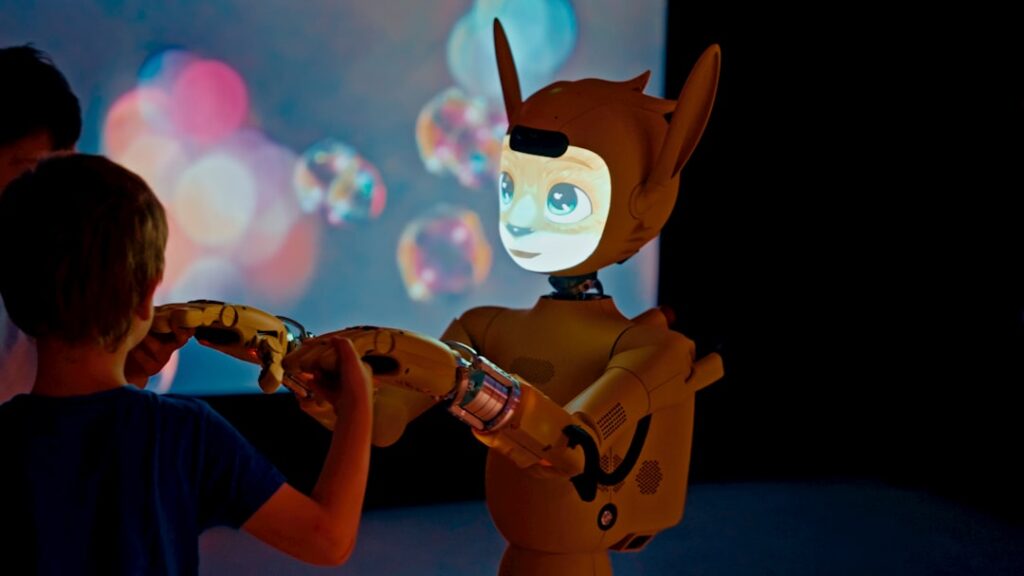
The integration of humanoid robots into healthcare is a developing field with the potential to reshape how patient care is delivered and how healthcare professionals operate. These machines, designed with a semblance of human form, are moving beyond research laboratories and into roles that support both clinical and non-clinical tasks within healthcare settings. Unlike their industrial counterparts, which are typically fixed to automated assembly lines, humanoid robots possess a degree of mobility and dexterity that allows them to navigate dynamic environments and interact with people. This article will explore the current landscape of humanoid robots in healthcare support roles, examining their capabilities, the challenges they present, and their potential trajectory.
The initial conceptions of robots in healthcare were often confined to highly specialized, singular-function machines, such as surgical robots with rigid arms. The advent of more sophisticated artificial intelligence, coupled with advancements in sensor technology and actuator systems, has paved the way for robots with greater adaptability and human-like interaction. Humanoid robots, in particular, are engineered to mimic human anatomy, featuring articulated limbs, a head for visual input, and sometimes even facial features to facilitate a more intuitive connection with patients. Their development is driven by the need to address critical issues in healthcare: an aging global population, a growing demand for care, and a persistent shortage of skilled healthcare workers.
Mobility and Navigation
A cornerstone of a robot’s utility in a healthcare environment is its ability to move safely and efficiently. Humanoid robots are equipped with sophisticated navigation systems that allow them to traverse hospital corridors, patient rooms, and other complex spaces. These systems often combine LiDAR (Light Detection and Ranging), cameras, and inertial measurement units (IMUs) to perceive their surroundings, avoid obstacles, and plan optimal routes. The ability to navigate without constant human supervision is paramount for robots performing tasks such as delivering medications, meals, or supplies, thus freeing up human staff for direct patient interaction.
SLAM Technology for Environmental Mapping
Simultaneous Localization and Mapping (SLAM) is a foundational technology enabling mobile robots to build a map of an unknown environment while simultaneously keeping track of their location within that map. In healthcare settings, SLAM allows robots to learn the layout of a hospital, identifying wards, rooms, and essential pathways. This mapping capability is a prerequisite for autonomous operation, ensuring that the robot can reliably reach its destination even in a constantly changing environment.
Obstacle Avoidance and Human Interaction
Beyond basic navigation, safe operation in a healthcare facility necessitates robust obstacle avoidance. Humanoid robots are equipped with sensors that detect static and dynamic obstacles, including furniture, equipment, and, most importantly, people. Their programming includes protocols to slow down, stop, or reroute when an impediment is detected, prioritizing the safety of patients and staff. The interaction aspect of obstacle avoidance is particularly nuanced; a robot must be able to predict human movement to some extent and react accordingly without causing disruption or distress.
Dexterity and Manipulation
While mobility is essential, the ability for a robot to interact with its physical environment through manipulation is what unlocks a broader range of support functions. Humanoid robots often feature multi-fingered hands or grippers designed to handle a variety of objects, from delicate medical supplies to meal trays. The degree of dexterity varies significantly between different robot models, with some capable of simple grasping and others engineered for more intricate tasks.
Gripper Design and Object Recognition
The design of a robot’s end-effector, or gripper, is crucial for its effectiveness. Soft robotics principles are increasingly being explored to create grippers that can conform to different shapes and apply variable pressure, reducing the risk of damage to sensitive items. Coupled with advanced object recognition algorithms, which use computer vision to identify and classify objects, humanoid robots can be programmed to pick up specific items, such as prescription bottles or personal belongings, with a higher degree of certainty.
Fine Motor Skills for Specific Tasks
Certain healthcare support roles demand a level of fine motor control that mirrors human capability. While replicating the full spectrum of human dexterity remains a significant engineering challenge, current research is focused on developing robots that can perform tasks such as opening drawers, dispensing medication with precise measurement, or even assisting with basic personal care, like helping a patient adjust their position. These tasks require not just grasping but also nuanced control over force and movement.
In exploring the transformative impact of humanoid robots in healthcare support roles, it is also valuable to consider the related article that discusses the broader implications of robotics in various sectors. This article delves into the advancements in robotic technology and its applications beyond healthcare, highlighting how these innovations are reshaping industries and enhancing efficiency. For more insights, you can read the article here: Robotics Revolution: Beyond Healthcare.
Applications in Patient Support and Comfort
Humanoid robots are beginning to demonstrate their value in enhancing patient experience and providing a form of companionship, particularly for individuals who may be experiencing isolation or require continuous monitoring. Their ability to engage in simple conversations, provide information, and perform non-medical tasks can create a more supportive and less clinical atmosphere for patients.
Companionship and Emotional Engagement
It is vital to approach the concept of “companionship” for robots with clarity. Humanoid robots are not intended to replace human interaction but rather to supplement it, offering a consistent presence and engagement for individuals who may be lonely or have limited social visitors. Their interactive capabilities allow for basic conversations, the playing of music or audiobooks, and even gentle reminders for appointments or medication.
Conversational AI and Natural Language Processing (NLP)
The sophistication of conversational AI and NLP is a key enabler for robots to engage with patients. These technologies allow robots to understand spoken language, respond in a coherent manner, and even maintain a semblance of a conversation. While current natural language understanding is far from perfect and can sometimes lead to nonsensical responses, advancements are steadily improving the fluidity and relevance of these interactions.
Reminders and Daily Activity Prompting
For patients, especially those with cognitive impairments or those recovering from illness, remembering daily routines can be challenging. Humanoid robots can be programmed to provide gentle reminders for medication intake, meal times, hydration, or to encourage short periods of physical activity. This consistent prompting can support adherence to care plans and promote a sense of structure.
Assistance with Basic Activities of Daily Living (ADLs)
While complex medical care remains firmly within the human domain, humanoid robots are being developed to assist with simpler, yet crucial, aspects of daily living. These tasks are typically non-invasive and focus on improving a patient’s comfort and independence.
Fetching and Delivery Services
One of the most immediate and practical applications is the robot’s ability to act as a courier within a healthcare facility. Fetching items such as water, books, or personal effects from a bedside table or delivering them to a patient can reduce the burden on nursing staff, allowing them to dedicate more time to clinical duties.
Entertainment and Information Provision
Humanoid robots can serve as a conduit for entertainment and information. They can play music, read stories aloud, show videos, or even provide access to news or weather updates. This can be particularly beneficial in long-term care facilities or for patients who are confined to their rooms for extended periods.
Operational Support and Efficiency Gains
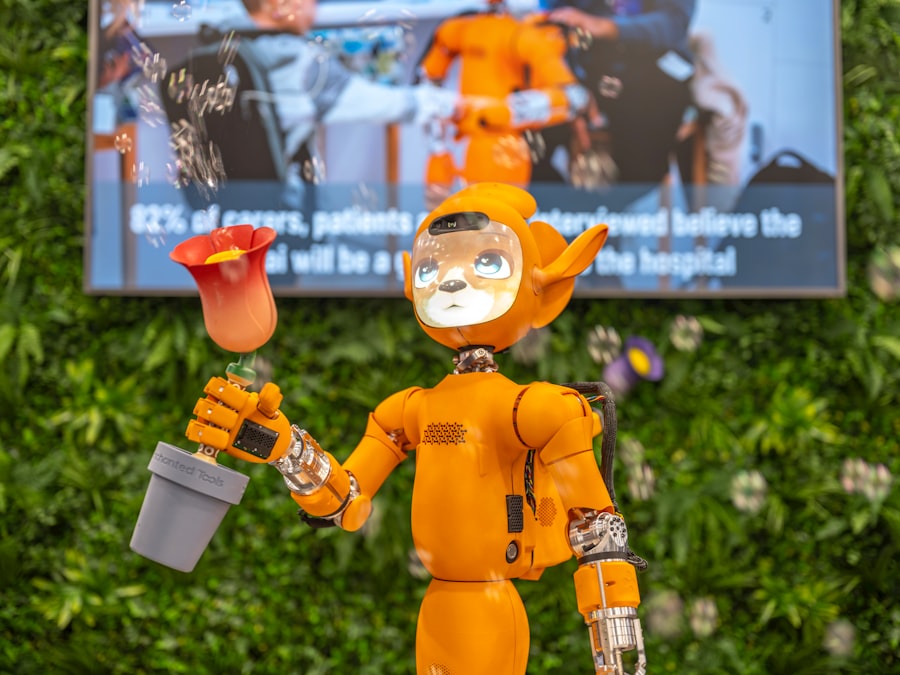
Beyond direct patient interaction, humanoid robots are also finding roles in streamlining hospital operations, addressing logistical challenges, and improving the overall efficiency of healthcare workflows. Their ability to perform repetitive or physically demanding tasks can alleviate pressure on human staff and contribute to a smoother functioning of the facility.
Logistics and Supply Chain Management
The efficient movement of supplies is critical for any healthcare setting. Humanoid robots can be tasked with transporting medications from the pharmacy, delivering linens, or moving sterile equipment between departments. This automated delivery system can significantly reduce the time human staff spend on these errands.
Autonomous Transport of Goods
By navigating pre-defined routes or dynamically planning their paths, these robots can ensure the timely and consistent delivery of essential items. This not only optimizes the supply chain but also prevents potential delays in patient care that could arise from human bottlenecks in delivery.
Inventory Management Support
In some advanced applications, robots may be used to assist with inventory management. They could potentially scan shelves, report stock levels, or even retrieve items for restocking, contributing to better resource allocation and reducing waste.
Environmental Services and Cleaning
Maintaining a sterile and clean environment is paramount in healthcare. While specialized cleaning robots already exist, humanoid robots can complement these efforts by performing tasks that may require a more adaptable approach or interaction with existing infrastructure.
Disinfection and Sanitization Assistance
As a supplement to professional cleaning staff, humanoid robots equipped with UV-C light or disinfectant sprayers could navigate patient rooms or common areas to perform automated disinfection routines. This can help ensure a higher level of hygiene and reduce the transmission of infections.
Waste Management Support
Humanoid robots could potentially be programmed to collect and transport waste from designated areas to central disposal points. This would involve navigating various waste disposal protocols and ensuring appropriate handling of different waste streams.
Challenges and Ethical Considerations

The introduction of any new technology into a sensitive domain like healthcare is accompanied by a set of challenges and necessitates careful consideration of ethical implications. Humanoid robots, with their human-like form, raise specific questions about their integration into patient care.
Safety and Reliability
The paramount concern in healthcare is patient safety. Any robot operating within a healthcare facility must be demonstrably safe and reliable. Malfunctions, unpredictable behavior, or errors in operation could have serious consequences for patients.
Rigorous Testing and Validation
Before widespread deployment, humanoid robots must undergo extensive testing and validation in simulated and real-world healthcare environments. This includes testing for mechanical failures, software glitches, and the robot’s ability to respond appropriately to unexpected situations.
Fail-Safe Mechanisms and Emergency Protocols
Robots must be equipped with robust fail-safe mechanisms that can bring them to a secure state in the event of a malfunction. Clear protocols for emergency shutdown and human intervention are essential to mitigate any potential harm.
Patient Acceptance and Trust
The effectiveness of humanoid robots in healthcare support roles is heavily influenced by how patients perceive and interact with them. Building trust and ensuring a positive patient experience are critical.
The Uncanny Valley Effect
The “uncanny valley” is a phenomenon where human replicas that appear almost, but not exactly, like real human beings elicit feelings of revulsion or unease in observers. Some humanoid robots, particularly those with highly realistic but imperfect facial features or movements, may fall into this category, leading to patient discomfort.
Cultural and Psychological Impacts
Different cultures and individuals will have varying reactions to interacting with robots. Understanding these cultural nuances and addressing potential psychological impacts, such as feelings of dehumanization or depersonalization, is vital for successful integration.
Data Privacy and Security
Humanoid robots often collect sensitive data about their environment and interactions, including patient information. Ensuring the privacy and security of this data is of utmost importance.
Secure Data Storage and Transmission
All data collected by healthcare robots must be stored and transmitted using robust encryption and security protocols to prevent unauthorized access or breaches. Compliance with regulations such as HIPAA (Health Insurance Portability and Accountability Act) is non-negotiable.
Algorithmic Bias and Equity
The algorithms that govern a robot’s behavior can inadvertently perpetuate existing societal biases. It is crucial to ensure that these algorithms are designed and trained in a way that promotes equity and fairness in care delivery, regardless of a patient’s background.
The advancements in humanoid robots have sparked significant interest in their potential applications within healthcare, particularly in support roles. A related article discusses the transformative impact of robotics on patient care and the efficiency of healthcare systems. For more insights on this topic, you can read the article here, which explores how these innovative technologies are reshaping the landscape of medical assistance and enhancing the quality of life for patients.
Future Trajectory and Potential Impact
| Metric | Value | Description |
|---|---|---|
| Market Growth Rate | 22% CAGR (2023-2030) | Annual compound growth rate of humanoid robots in healthcare support roles |
| Average Patient Interaction Time | 15 minutes/session | Average duration humanoid robots spend assisting a patient per session |
| Task Accuracy | 98% | Accuracy rate of humanoid robots performing routine healthcare tasks |
| Reduction in Staff Workload | 30% | Percentage decrease in healthcare staff workload due to robot assistance |
| Patient Satisfaction Rate | 87% | Percentage of patients reporting positive experiences with humanoid robots |
| Deployment Cost | 120,000 | Average cost to deploy a humanoid robot in a healthcare facility |
| Average Battery Life | 8 hours | Operational time before recharging is required |
| Common Support Roles | Patient Monitoring, Medication Delivery, Mobility Assistance | Typical tasks performed by humanoid robots in healthcare |
The integration of humanoid robots in healthcare is not a static phenomenon; it is a field in constant evolution. As technology advances and our understanding of human-robot interaction deepens, the potential applications and impact of these machines are likely to expand significantly.
Advancements in AI and Sensor Technology
Future generations of humanoid robots will benefit from continued breakthroughs in artificial intelligence, particularly in areas like machine learning, reinforcement learning, and advanced computer vision. This will lead to robots that are more adaptable, intuitive, and capable of performing complex tasks with greater autonomy.
Enhanced Dexterity and Fine Motor Control
Ongoing research in robotics is focused on achieving human-level dexterity. Improvements in soft robotics, micro-actuation, and tactile sensing will enable robots to perform increasingly delicate and precise manipulations, opening doors for more advanced support roles.
Sophisticated Human-Robot Collaboration
The future likely holds more sophisticated models of collaboration between humans and robots. Instead of robots acting as standalone entities, they will become integrated team members, working alongside healthcare professionals to optimize patient care pathways and operational efficiency.
Redefining Healthcare Roles and Workflows
The presence of humanoid robots is not intended to replace human caregivers but rather to augment their capabilities. By taking on routine, repetitive, or physically demanding tasks, robots can allow human professionals to focus on aspects of care that require empathy, critical thinking, and complex decision-making.
Alleviating Workforce Shortages
As healthcare systems globally grapple with shortages of nurses, technicians, and support staff, humanoid robots can serve as valuable assistants, helping to bridge the gap and ensure that care can be delivered effectively even with limited human resources.
Focusing Human Effort on Complex Care
The ultimate goal is to leverage technology to enhance human capabilities. By automating mundane tasks, robots can free up the invaluable time and energy of healthcare professionals, allowing them to dedicate themselves to the more challenging, rewarding, and uniquely human aspects of patient care.
In conclusion, the journey of humanoid robots in healthcare support roles is a narrative of technological innovation intersecting with a fundamental human need for care. While significant challenges remain in terms of safety, acceptance, and ethical deployment, the potential benefits—ranging from improved patient comfort and operational efficiency to alleviating workforce pressures—suggest that these machines will play an increasingly integral part in the future of healthcare. The development is not a leap into a fully automated future, but rather a measured integration, like a new tool carefully added to a skilled artisan’s workbench, designed to enhance, not replace, the human touch.