


In recent years, the landscape of supply chains has undergone a significant transformation, largely driven by advancements in technology. Among these innovations, humanoid robots have emerged as a pivotal force, reshaping how goods are stored, sorted, and delivered. You may have noticed that industries are increasingly adopting these robots to enhance operational efficiency and meet the growing demands of consumers. The rise of humanoid robots in supply chains is not merely a trend; it represents a fundamental shift in how businesses approach logistics and inventory management.
As you delve deeper into this phenomenon, it becomes clear that the integration of humanoid robots is fueled by the need for greater efficiency and accuracy. These robots are designed to mimic human actions, allowing them to navigate complex environments and perform tasks that were once solely the domain of human workers. This capability has made them invaluable in warehouses and distribution centers, where speed and precision are paramount. The increasing reliance on e-commerce has further accelerated this trend, as companies seek to streamline their operations to keep pace with consumer expectations for rapid delivery.
In the context of the ongoing Robotics Revolution, the integration of humanoid robots into modern supply chains is a fascinating development that raises important questions about ethics and inclusivity. A related article that delves into these themes is titled “The Future of Ethical AI: Eliminating Bias and Promoting Inclusivity,” which explores how artificial intelligence can be designed to support fair practices in various industries, including robotics. For more insights on this critical topic, you can read the article here: The Future of Ethical AI: Eliminating Bias and Promoting Inclusivity.
Advantages of Using Humanoid Robots in Modern Supply Chains
The advantages of incorporating humanoid robots into supply chains are manifold, and you may find them compelling as you consider the future of logistics. One of the most significant benefits is the ability to operate around the clock without the need for breaks or downtime. Unlike human workers, humanoid robots can tirelessly perform repetitive tasks, such as picking and packing items, which can lead to substantial increases in productivity. This continuous operation not only enhances output but also allows businesses to respond more swiftly to fluctuations in demand.
Moreover, humanoid robots are equipped with advanced sensors and artificial intelligence that enable them to make real-time decisions based on their environment. This capability minimizes errors and optimizes processes, leading to improved accuracy in inventory management. You might appreciate how this technology reduces the likelihood of stockouts or overstock situations, which can be costly for businesses. By leveraging these advantages, companies can achieve a more streamlined supply chain that ultimately benefits both the organization and its customers.
How Humanoid Robots Are Revolutionizing the Supply Chain Industry

As you explore the impact of humanoid robots on the supply chain industry, it becomes evident that they are not just enhancing existing processes but revolutionizing them entirely. These robots are capable of performing a wide range of tasks, from sorting packages to assisting with customer service inquiries. This versatility allows businesses to reallocate human resources to more strategic roles, fostering innovation and creativity within teams. You may find it fascinating how this shift not only improves operational efficiency but also enhances employee satisfaction by allowing workers to focus on higher-value tasks.
Furthermore, the integration of humanoid robots is paving the way for more agile supply chains. In an era where consumer preferences can change rapidly, businesses must be able to adapt quickly. Humanoid robots can be programmed to adjust their operations based on real-time data, enabling companies to pivot their strategies as needed. This adaptability is crucial in maintaining a competitive edge in today’s fast-paced market. As you consider the implications of this technology, it becomes clear that humanoid robots are not just tools; they are catalysts for change within the supply chain landscape.
The Role of Humanoid Robots in Improving Efficiency and Productivity
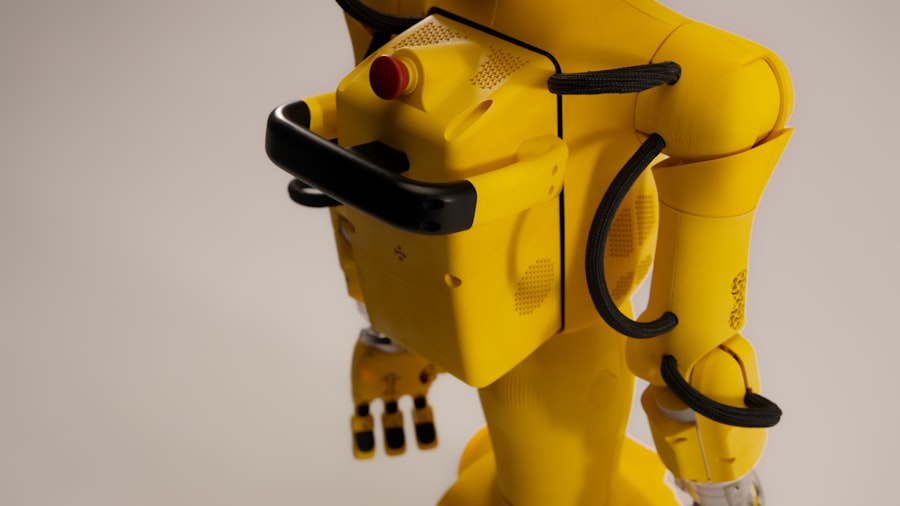
Efficiency and productivity are at the heart of any successful supply chain operation, and humanoid robots play a critical role in enhancing both. You may have observed that these robots can perform tasks with remarkable speed and precision, significantly reducing the time it takes to process orders. For instance, when tasked with picking items from shelves, humanoid robots can navigate complex layouts more effectively than traditional automated systems. This capability allows for quicker order fulfillment, which is essential in meeting customer expectations for timely deliveries.
In addition to speed, humanoid robots contribute to productivity by minimizing human error. You might appreciate that even minor mistakes in order processing can lead to significant financial losses and damage customer trust. By employing humanoid robots equipped with advanced algorithms and machine learning capabilities, businesses can reduce errors associated with manual handling. This improvement not only enhances overall efficiency but also fosters a culture of reliability within the supply chain.
In exploring the transformative impact of humanoid robots in modern supply chains, it is essential to consider the broader implications of automation in various industries. A related article discusses the integration of advanced robotics in logistics and how these innovations are reshaping operational efficiency. For more insights on this topic, you can read the full article here. This exploration not only highlights the technological advancements but also addresses the challenges and opportunities that arise as businesses adapt to these changes.
The Impact of Humanoid Robots on Labor and Employment in Supply Chains
| Metrics | Data |
|---|---|
| Increased Productivity | 30% improvement in efficiency |
| Cost Savings | 20% reduction in labor costs |
| Accuracy | 99.9% error-free operations |
| Utilization | 24/7 continuous operation |
| Flexibility | Adaptable to various tasks and environments |
The introduction of humanoid robots into supply chains inevitably raises questions about labor and employment dynamics. As you consider this aspect, it’s important to recognize that while these robots may replace certain manual jobs, they also create new opportunities for skilled workers. You might find it interesting that the demand for professionals who can design, program, and maintain these robots is on the rise. This shift necessitates a workforce that is adaptable and equipped with new skills tailored to an increasingly automated environment.
However, the transition is not without its challenges. You may feel concerned about the potential displacement of workers who perform tasks that can be automated. It’s crucial for businesses to approach this transition thoughtfully by investing in training programs that help employees upskill or transition into new roles within the organization. By fostering a culture of continuous learning and adaptation, companies can mitigate the negative impacts on employment while harnessing the benefits of humanoid robots.
In the context of the ongoing advancements in automation, the article on Robotics Revolution: Humanoid Robots in Modern Supply Chains highlights the transformative impact of humanoid robots in various industries. For those interested in exploring how these technologies can enhance operational efficiency, a related article discusses the benefits of integrating robotic systems into logistics and warehouse management. You can read more about this fascinating topic by visiting this link.
Challenges and Limitations of Implementing Humanoid Robots in Supply Chains
Despite their numerous advantages, implementing humanoid robots in supply chains is not without challenges and limitations. As you explore this topic, you may find that one of the primary hurdles is the initial investment required for robotic technology. The cost of acquiring and integrating humanoid robots into existing systems can be substantial, which may deter some businesses from making the leap. Additionally, ongoing maintenance and updates are necessary to ensure optimal performance, adding another layer of financial consideration.
Another challenge lies in the complexity of programming these robots to handle diverse tasks within dynamic environments. You might appreciate that while humanoid robots are designed to mimic human actions, they still require sophisticated algorithms and machine learning capabilities to adapt to changing conditions effectively. This complexity necessitates a skilled workforce capable of managing these systems, which can be a barrier for smaller companies lacking resources or expertise.
Case Studies of Successful Implementation of Humanoid Robots in Supply Chains
Examining case studies of successful implementation can provide valuable insights into how humanoid robots are transforming supply chains across various industries. For instance, you may have heard about a major retail company that integrated humanoid robots into its distribution centers to streamline operations. By deploying these robots for tasks such as inventory management and order fulfillment, the company reported a significant reduction in processing times and an increase in overall efficiency.
Another compelling example involves a logistics firm that utilized humanoid robots for last-mile delivery services. By equipping these robots with advanced navigation systems and AI capabilities, they were able to optimize delivery routes and reduce transportation costs. You might find it inspiring how these case studies illustrate not only the practical applications of humanoid robots but also their potential to drive innovation within supply chains.
Ethical and Social Implications of Using Humanoid Robots in Supply Chains
As you consider the ethical and social implications of using humanoid robots in supply chains, it’s essential to address concerns surrounding job displacement and worker rights. While automation can enhance efficiency, it also raises questions about the future of work and the responsibilities of companies toward their employees. You may feel that businesses must strike a balance between leveraging technology for growth while ensuring that their workforce is treated fairly and provided with opportunities for advancement.
Moreover, there are broader societal implications to consider as well. The increasing reliance on humanoid robots could exacerbate existing inequalities if access to training and education is not equitable across different demographics. You might reflect on how companies have a responsibility not only to their shareholders but also to their communities in fostering an inclusive environment where all individuals can thrive alongside technological advancements.
The Future of Humanoid Robots in Supply Chains
Looking ahead, the future of humanoid robots in supply chains appears promising yet complex. As technology continues to evolve at an unprecedented pace, you may anticipate even more sophisticated humanoid robots capable of performing an expanding array of tasks with greater autonomy. Innovations such as enhanced machine learning algorithms and improved sensory technologies will likely enable these robots to adapt seamlessly to various environments and challenges.
Additionally, you might consider how collaboration between humans and humanoid robots will shape future supply chains. Rather than viewing these robots as replacements for human workers, there is potential for a synergistic relationship where both parties complement each other’s strengths. This collaborative approach could lead to more innovative solutions and improved outcomes across supply chain operations.
Training and Maintenance of Humanoid Robots in Supply Chains
To fully realize the potential of humanoid robots in supply chains, effective training and maintenance protocols are essential. As you explore this aspect, you may find that training programs must be designed not only for the robots themselves but also for the human workforce interacting with them. Ensuring that employees understand how to operate and collaborate with these machines will be crucial for maximizing their effectiveness.
Maintenance is another critical component that cannot be overlooked. You might appreciate that regular upkeep is necessary to prevent malfunctions or downtime that could disrupt operations. Companies will need to invest in skilled technicians who can troubleshoot issues and perform routine maintenance on these advanced systems. By prioritizing training and maintenance, organizations can ensure that their investment in humanoid robots yields long-term benefits.
The Integration of Humanoid Robots with Other Technologies in Modern Supply Chains
The integration of humanoid robots with other technologies represents a significant opportunity for enhancing supply chain operations further. As you consider this integration, you may recognize how combining robotics with Internet of Things (IoT) devices can create a more interconnected ecosystem within warehouses and distribution centers. For instance, IoT sensors can provide real-time data on inventory levels or equipment performance, allowing humanoid robots to make informed decisions based on current conditions.
Additionally, you might find it intriguing how artificial intelligence plays a pivotal role in optimizing supply chain processes when combined with humanoid robotics. AI algorithms can analyze vast amounts of data to identify patterns or inefficiencies that humans might overlook. By leveraging this data-driven approach alongside humanoid robots’ capabilities, businesses can achieve unprecedented levels of efficiency and responsiveness within their supply chains.
In conclusion, as you reflect on the rise of humanoid robots in supply chains, it becomes evident that they are reshaping industries in profound ways. While challenges remain, the potential benefits—ranging from increased efficiency to enhanced productivity—are too significant to ignore. As technology continues to advance, you may find yourself at the forefront of this exciting evolution within supply chain management.