

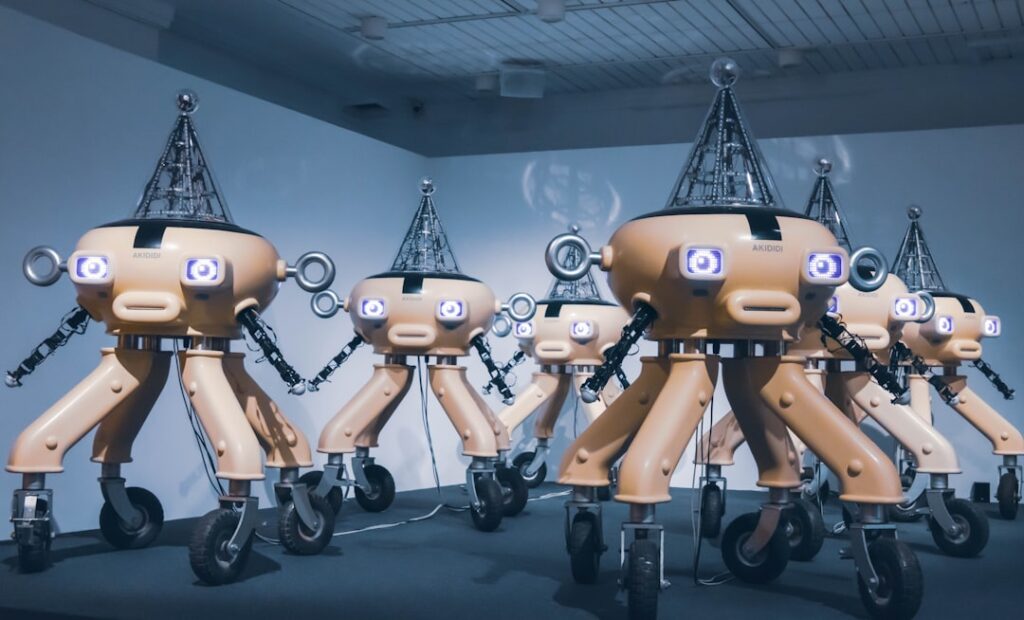
This article explores the transformative potential of swarm intelligence in the field of autonomous logistics. It examines how the principles of decentralized control and collective behavior observed in natural swarms can be applied to enhance the efficiency, scalability, and resilience of logistics operations.
Swarm intelligence (SI) is a field of artificial intelligence inspired by the collective behavior of decentralized, self-organized systems, typically found in nature. Think of a flock of birds navigating seamlessly, or an ant colony efficiently finding food sources. These systems exhibit complex global behaviors that emerge from simple local interactions among individual agents.
The Core Principles of Swarm Intelligence
At its heart, swarm intelligence operates on a few fundamental principles:
Decentralized Control
Unlike traditional systems that rely on a central command and control unit, SI systems distribute decision-making power among individual agents. Each agent possesses limited computational resources and information, acting based on local observations and simple rules. This lack of a single point of failure contributes significantly to the robustness of swarm-based systems. If one agent fails, the swarm can continue to function, adapting to the loss.
Self-Organization
The emergent order within a swarm is not dictated by an external orchestrator but arises spontaneously from the interactions between agents. This self-organization means that the swarm can adapt its behavior to changing environments or task requirements without explicit reprogramming of each individual.
Local Interactions and Simple Rules
Individual agents in a swarm typically interact with their immediate neighbors and respond to local environmental cues. These interactions are governed by simple, often deterministic, rules. For example, an ant might follow a pheromone trail or avoid collisions with other ants. The aggregation of these simple actions leads to sophisticated collective outcomes.
Emergent Behavior
The most captivating aspect of swarm intelligence is emergent behavior. This refers to the complex, intelligent global patterns that arise from the simple local interactions of many individual agents. The swarm as a whole can perform tasks that no single agent is capable of, or even privy to. This is akin to how a complex musical symphony emerges from the individual notes played by many musicians.
Examples of Natural Swarms
Understanding natural swarms provides crucial insights into the potential of artificial swarms:
Ant Colonies
Ant colonies are a prime example of efficient decentralized systems. Ants communicate through pheromone trails, leaving chemical signals that guide others to food sources or back to the colony. This forms a dynamic map of the environment, constantly updated by the collective. Their ability to find the shortest path to a food source, even as obstacles change, is a testament to their emergent problem-solving capabilities.
Bird Flocks
Birds in a flock exhibit coordinated movement, able to change direction and formation rapidly and collectively. Each bird adjusts its position and speed based on its immediate neighbors, creating a fluid and adaptable aerial formation that can evade predators or navigate complex environments. This collective awareness of local neighbors allows for impressive large-scale maneuvers.
Bee Hives
Beehives demonstrate sophisticated task allocation and resource management. Through waggle dances and other communication methods, bees share information about the location and quality of nectar sources, enabling the colony to efficiently exploit available resources. This distributed intelligence ensures the survival and prosperity of the entire colony.
In the context of advancements in autonomous systems, the article “Robotics Revolution: Leveraging Swarm Intelligence for Autonomous Logistics” highlights the transformative potential of swarm intelligence in optimizing logistics operations. For further insights into the implications of these technologies on privacy and data management, you may find the article on cookie policies particularly relevant. To explore this topic, visit this link.
Autonomous Logistics: The Need for Innovation
The modern logistics landscape is characterized by increasing complexity, global reach, and demanding speed requirements. Traditional, centrally controlled systems are facing limitations in their ability to scale and adapt to the dynamic nature of supply chains. Autonomous logistics aims to address these challenges by leveraging advanced technologies to automate various aspects of goods movement and management.
Challenges in Modern Logistics
The current state of logistics is a complex web of interconnected processes. Several key challenges require innovative solutions:
Globalization and Extended Supply Chains
Businesses operate on a global scale, leading to longer and more intricate supply chains. This increases the potential for disruptions, delays, and communication breakdowns. Managing inventory and ensuring timely delivery across continents presents a significant hurdle. The sheer distance and number of touchpoints make centralized oversight increasingly difficult.
E-commerce Growth and Demand Volatility
The exponential growth of e-commerce has created an unprecedented demand for rapid and flexible fulfillment. Consumer expectations for near-instant delivery necessitate highly responsive and agile logistics networks. This volatility in demand makes it challenging to optimize resource allocation and inventory levels with traditional, static planning methods. Last-mile delivery, in particular, is a pain point.
Labor Shortages and Rising Costs
Many regions face labor shortages in the logistics sector. Furthermore, labor costs are a significant component of operational expenses. Automation offers a potential solution to mitigate these issues by reducing reliance on manual labor for repetitive or physically demanding tasks. The cost-effectiveness of human labor is also a growing concern.
Environmental Impact and Sustainability
The transportation and warehousing sectors contribute significantly to carbon emissions. There is a growing imperative to develop more sustainable logistics practices. Optimizing routes, reducing empty miles, and improving energy efficiency are critical goals. The environmental footprint of every shipment is under increasing scrutiny.
The Promise of Automation in Logistics
Automation, in its various forms, offers a pathway to overcome these challenges:
Warehouse Automation
Robots are increasingly employed in warehouses for tasks such as picking, packing, sorting, and inventory management. Automated guided vehicles (AGVs) and autonomous mobile robots (AMRs) can navigate warehouse floors, transport goods, and collaborate with human workers. This can significantly increase throughput and accuracy. Imagine robots acting as a tireless, organized workforce within the warehouse.
Autonomous Transportation
The development of autonomous trucks and delivery vehicles holds the potential to revolutionize long-haul and last-mile delivery. These systems promise increased safety, improved efficiency, and reduced operational costs. The prospect of vehicles operating continuously without human intervention is a significant shift. This could redefine the very concept of a “delivery route.”
Smart Inventory Management
AI-powered systems can optimize inventory levels, predict demand, and automate reordering processes, minimizing stockouts and overstocking. This leads to more efficient use of warehouse space and capital. Predictive analytics can act as a crystal ball for inventory needs.
Leveraging Swarm Intelligence for Logistics
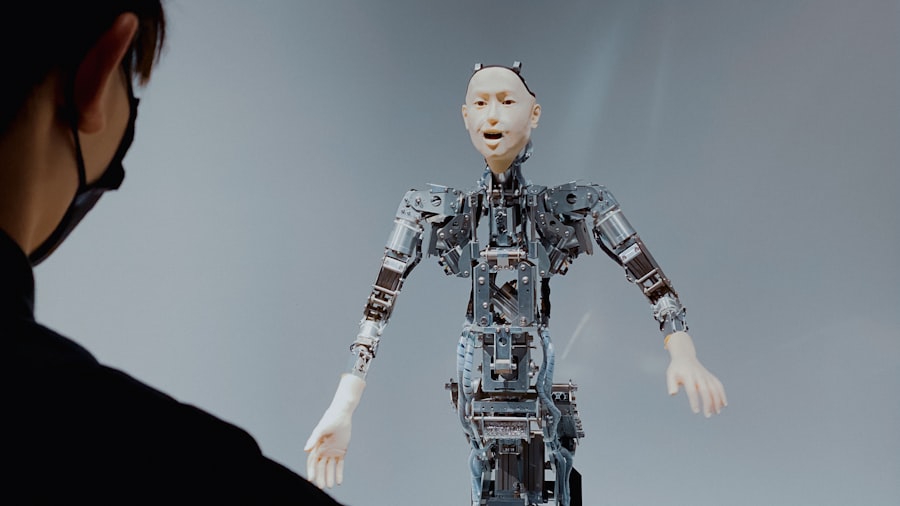
Swarm intelligence offers a novel paradigm for designing and implementing autonomous logistics systems. By drawing inspiration from nature, we can create systems that are more adaptable, scalable, and resilient than traditional, centralized approaches. Instead of a rigid hierarchy, think of a dynamic ecosystem of cooperating agents.
Swarm-Based Warehouse Operations
The chaotic yet efficient movement within a bustling warehouse can be significantly improved with swarm intelligence.
Collaborative Picking and Packing
Imagine a swarm of small AMRs working together to fulfill orders. Instead of a central dispatcher assigning tasks to individual robots, each robot can independently identify the next item to pick based on its proximity to the item and the overall order density. They can communicate with each other to avoid congestion and optimize their paths. This is like a synchronized dance of precision.
Dynamic Inventory Management
Swarm agents can continuously monitor inventory levels in real-time. If a particular item is running low, nearby robots can be alerted to restock it from a central location or reroute themselves to a different storage area. This proactive approach minimizes stockouts and ensures that popular items are readily available. The swarm acts as a vigilant guardian of stock.
Optimized Warehouse Navigation and Traffic Flow
By adhering to simple rules such as maintaining a minimum distance from other robots and prioritizing movement based on task urgency, a swarm of robots can dynamically manage traffic flow within a warehouse. This self-organizing behavior can prevent bottlenecks and ensure smooth, efficient movement of goods. The warehouse becomes a seamlessly flowing river of robotic activity.
Swarm-Enabled Fleet Management
Managing a fleet of delivery vehicles, whether on the road or in the air, presents unique challenges that swarm intelligence can address.
Dynamic Route Optimization
Instead of pre-programmed routes, a swarm of delivery drones or trucks can collectively optimize their routes in real-time. If one vehicle encounters unexpected traffic or a delay, other vehicles in the swarm can dynamically adjust their routes to compensate, ensuring that deliveries are still made efficiently. This is like a flock re-routing in real-time to avoid a storm.
Collaborative Delivery Networks
For last-mile delivery, swarm intelligence can enable a network of smaller, more agile delivery robots or drones to collaborate. They can distribute packages among themselves based on proximity to delivery locations, sharing the workload and reducing individual travel distances. This creates a flexible, on-demand delivery mechanism. The burden of delivery is shared like a collective effort.
Predictive Maintenance and Fault Tolerance
Each vehicle in a swarm can monitor its own performance and report anomalies. This collective data can be used to predict potential failures and schedule maintenance proactively. If a vehicle breaks down, the remaining vehicles in the swarm can automatically reassign its tasks. This builds inherent redundancy into the system. The swarm keeps a collective eye on its own health.
Swarm Intelligence for Supply Chain Resilience
The inherent robustness of swarm systems makes them ideal for building more resilient supply chains capable of withstanding disruptions.
Decentralized Decision-Making Amidst Disruption
In the event of a natural disaster or geopolitical event that disrupts a portion of the supply chain, a swarm-based system can adapt more readily. Individual agents can continue to operate based on local information, finding alternative routes or rerouting goods without waiting for directives from a compromised central authority. The network can heal itself from within.
Adaptive Resource Allocation
When faced with unexpected surges in demand or shortages of materials, a swarm can dynamically reallocate resources to address the most critical needs. This adaptability allows for a more agile response to market fluctuations and unforeseen events. The swarm can pivot its focus like a chameleon.
Enhanced Security through Distributed Awareness
In a swarm intelligence system, there isn’t a single, vulnerable central database. Security is distributed across the network. While individual agents might have limited security, the collective behavior and communication protocols can be designed to detect anomalies or coordinated attacks more effectively, similar to how a coral reef senses and responds to changes in its environment.
Advanced Applications and Future Directions
The integration of swarm intelligence into autonomous logistics is still an evolving field, with significant potential for future advancements.
Integration with Other AI Technologies
The true power of swarm intelligence in logistics will be realized through its synergistic integration with other AI technologies.
Machine Learning for Enhanced Agent Behavior
Machine learning algorithms can be used to train individual swarm agents to improve their decision-making processes over time. By analyzing past experiences and outcomes, agents can learn to optimize their actions for greater efficiency and effectiveness. This allows the swarm to learn and evolve.
Deep Reinforcement Learning for Complex Coordination
Deep reinforcement learning (DRL) can enable complex coordination behaviors within a swarm. DRL agents can learn to make sequential decisions in dynamic environments to maximize a cumulative reward, leading to sophisticated collective strategies for tasks like warehouse navigation or fleet management. This allows the swarm to master intricate dance steps.
Blockchain for Transparent and Secure Transactions
Blockchain technology can be integrated with swarm intelligence to provide a transparent and secure ledger for tracking goods and transactions throughout the supply chain. This enhances trust and accountability among different agents and stakeholders. The swarm’s activities are etched in an immutable digital record.
Multi-Swarm Coordination
Moving beyond single-swarm operations, the concept of coordinating multiple, specialized swarms offers further possibilities.
Inter-Swarm Communication and Task Delegation
Imagine a swarm of warehouse robots coordinating with a swarm of delivery drones. They can communicate and delegate tasks to each other based on their respective capabilities and locations, creating a seamless end-to-end logistics network. This is like different specialist teams working in concert towards a common goal.
Heterogeneous Swarms with Specialized Roles
Developing swarms composed of diverse robot types with specialized functions (e.g., heavy lifters, precision pickers, fast delivery units) can create highly optimized and flexible logistics operations. Each type of robot contributes its unique strengths to the collective. This creates a diverse workforce where everyone has a vital role.
Ethical and Societal Implications
The widespread adoption of swarm intelligence in logistics also raises important ethical and societal questions that need careful consideration.
Job Displacement and Workforce Transition
The automation driven by swarm intelligence will inevitably lead to changes in the labor market. Proactive strategies for workforce retraining and transition will be crucial to mitigate the negative impacts of job displacement. We must ensure that the benefits of automation are shared broadly.
Data Privacy and Security in a Decentralized System
While decentralized systems offer security advantages, the vast amounts of data generated by swarm agents raise concerns about data privacy and potential misuse. Robust data governance frameworks and ethical guidelines are essential. Who owns and controls the collective knowledge of the swarm?
Responsibility and Accountability in Autonomous Systems
Determining accountability when autonomous systems err is a complex challenge. Establishing clear lines of responsibility for the actions of swarm agents and the emergent behaviors of the collective will be critical for legal and ethical frameworks. When a drone makes a mistake, who is responsible?
In the context of advancing technologies, the article on the Robotics Revolution highlights the potential of swarm intelligence in transforming autonomous logistics. For a deeper understanding of how these innovations are shaping the future of supply chain management, you can explore a related piece that discusses the latest trends in automation and robotics. This insightful read can be found here, providing valuable perspectives on the integration of intelligent systems in various industries.
Benefits of Swarm Intelligence in Autonomous Logistics
| Metric | Description | Value | Unit |
|---|---|---|---|
| Swarm Size | Number of robots operating collaboratively | 50-200 | units |
| Task Completion Time | Average time to complete a logistics task using swarm intelligence | 15 | minutes |
| Autonomy Level | Degree of autonomous decision-making in logistics operations | 85 | percent |
| Energy Efficiency | Energy consumption reduction compared to traditional robotics | 30 | percent |
| Communication Latency | Average delay in inter-robot communication within the swarm | 50 | milliseconds |
| Scalability | Ability to increase swarm size without performance loss | High | qualitative |
| Error Rate | Percentage of task failures or errors in swarm operations | 2 | percent |
| Cost Reduction | Reduction in operational costs due to swarm intelligence | 25 | percent |
The adoption of swarm intelligence in autonomous logistics promises a paradigm shift in operational efficiency and resilience.
Enhanced Efficiency and Throughput
Swarm systems excel at optimizing complex tasks through parallel processing and dynamic adaptation. This translates to faster order fulfillment, reduced delivery times, and higher overall throughput in warehouses and distribution centers. The collective effort amplifies individual capabilities.
Improved Scalability and Flexibility
The decentralized nature of swarm intelligence allows for seamless scaling of operations. As demand increases, more agents can be added to the swarm without requiring a complex central re-orchestration. This inherent flexibility allows logistics networks to adapt quickly to changing market conditions. The system can ebb and flow with demand.
Increased Robustness and Fault Tolerance
The absence of a single point of failure makes swarm-based systems inherently robust. The failure of individual agents does not cripple the entire operation; the swarm can simply adapt and continue to function, rerouting tasks and compensating for the loss. This is like a body that can heal from minor injuries.
Reduced Operational Costs
Over time, the automation and optimization offered by swarm intelligence can lead to significant reductions in operational costs. This includes savings related to labor, fuel, inventory management, and waste reduction. The efficient use of resources contributes to long-term cost-effectiveness.
Real-time Adaptability and Responsiveness
Swarm intelligence enables logistics networks to react and adapt to real-time changes in conditions. Whether it’s a sudden traffic jam, a shift in consumer demand, or an unexpected disruption, the swarm can dynamically adjust its strategies to maintain optimal performance. The system possesses a sharp, immediate sense of its environment.
In exploring the advancements in autonomous logistics, the article on swarm intelligence provides valuable insights into how collective behavior can enhance efficiency in robotic systems. This concept is crucial for understanding the broader implications of the Robotics Revolution. For a deeper dive into the legal frameworks surrounding these technologies, you can read more about it in this related article, which discusses the licensing and regulatory considerations that accompany the rise of innovative robotic solutions.
Conclusion
The robotics revolution is not solely about individual, highly sophisticated robots, but increasingly about the collective intelligence of many simpler agents working in concert. Swarm intelligence, drawing inspiration from the natural world, offers a powerful framework for building autonomous logistics systems that are efficient, scalable, resilient, and adaptable. As this technology continues to mature, we can anticipate a future where goods flow through our supply chains with an unprecedented level of intelligence and grace, driven by the emergent wisdom of the machine swarm. The interconnected dance of autonomous agents promises to redefine the very arteries of commerce.