

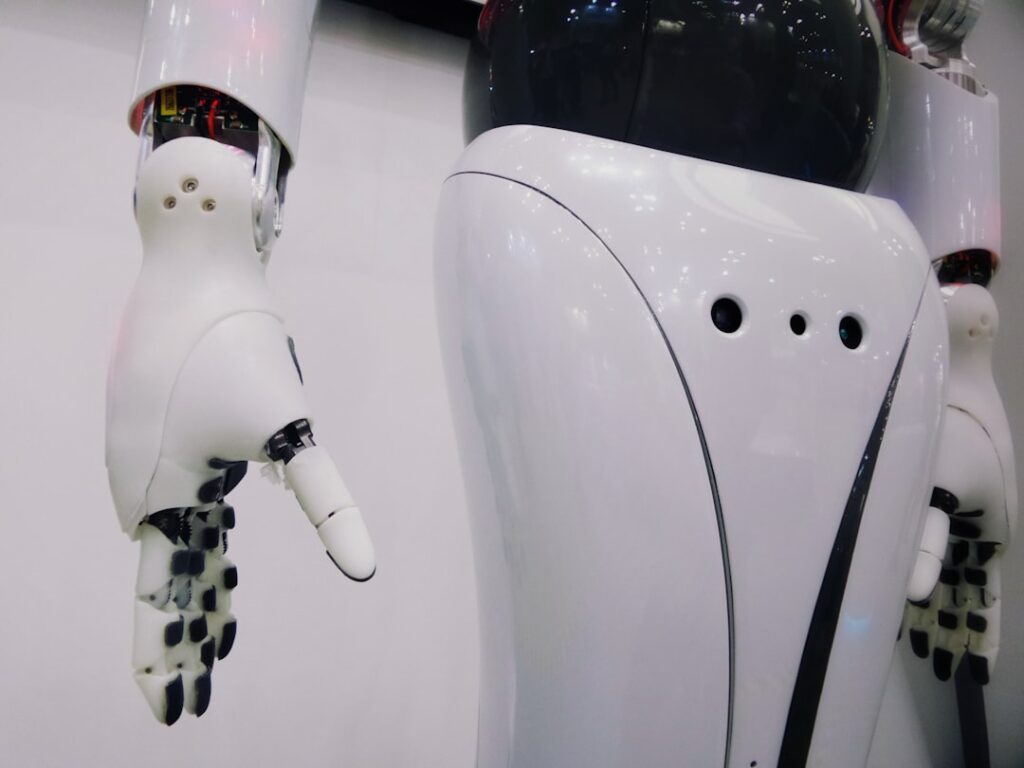
The transformation of warehouse logistics, driven by advancements in robotics and artificial intelligence, is a significant development in modern commerce. This article explores how “swarm intelligence,” a concept drawn from the collective behavior of natural systems, is being applied to optimize warehouse operations, leading to increased efficiency, reduced costs, and enhanced agility.
Traditional warehouse management has often relied on human labor for tasks such as picking, packing, and moving goods. While effective, these methods face limitations in scalability, speed, and precision, especially with the exponential growth of e-commerce and the demand for faster fulfillment. The introduction of robotics has begun to address these challenges, moving warehouses from largely manual operations to increasingly automated environments.
From Static Automation to Dynamic Systems
Early automation efforts in warehouses focused on fixed systems. For example, conveyor belts and automated storage and retrieval systems (AS/RS) offered predictable throughput for specific tasks. However, these systems lacked flexibility and were expensive to reconfigure. The current wave of automation is characterized by mobile, adaptable robots that can navigate complex environments and collaborate to achieve objectives. This shift represents a move from rigid machinery to more fluid, responsive systems.
The Need for Advanced Optimization
As warehouse complexity increases, managing the flow of goods and the actions of automated systems becomes a significant challenge. Simple rule-based automation can struggle with dynamic environments, unexpected disruptions, and the need to adapt to changing demand. This is where more sophisticated optimization techniques, such as those inspired by swarm intelligence, become crucial.
In exploring the advancements in warehouse logistics, the article “Robotics Revolution: Optimizing Warehouse Logistics with Swarm Intelligence” highlights the transformative potential of swarm intelligence in enhancing operational efficiency. For further insights into the digital products that are shaping the future of logistics and automation, you can refer to this related article on digital innovations at Brainng Digital Products.
Understanding Swarm Intelligence in Robotics
Swarm intelligence (SI) is a subfield of artificial intelligence that studies the collective behavior of decentralized, self-organized systems, analogous to the behavior of social insects like ants or bees. In these natural swarms, simple individual agents, guided by basic rules and local interactions, can collectively solve complex problems that are beyond the capabilities of any single individual.
Core Principles of Swarm Intelligence
The foundation of SI lies in several key principles:
- Decentralization: There is no central controller dictating the actions of each agent. Instead, each robot makes decisions based on local information and interactions with neighboring robots.
- Self-Organization: Complex global behaviors emerge from simple local interactions among agents, without external guidance. Patterns and solutions form organically.
- Emergent Behavior: The overall intelligence and problem-solving capability of the swarm is greater than the sum of its individual parts. This emerged behavior is not explicitly programmed but arises from the collective actions.
- Indirect Communication (Stigmergy): Agents often communicate indirectly by modifying their environment, which in turn influences the behavior of other agents. For example, an ant might leave a pheromone trail that guides other ants. In robotics, this can be translated to robots leaving digital “trails” or updating shared maps.
- Positive Feedback: Successful strategies are reinforced, leading to their increased adoption by the swarm.
- Randomness and Exploration: Some degree of random exploration is necessary to discover new solutions and adapt to changing conditions.
Analogies to Natural Swarms
Consider an ant colony searching for food. Individual ants have limited cognitive abilities. However, by following pheromone trails and interacting with other ants, the colony as a whole can efficiently locate food sources, establish optimal paths, and defend its territory. Similarly, a flock of birds can exhibit coordinated flight patterns that allow them to navigate vast distances and evade predators, a feat impossible for a single bird. Swarm robotics seeks to replicate this emergent intelligence in artificial systems.
Applications of Swarm Intelligence in Warehouse Robotics

The principles of swarm intelligence are directly applicable to optimizing various aspects of warehouse logistics. By deploying fleets of autonomous mobile robots (AMRs) that operate under SI algorithms, warehouses can achieve unprecedented levels of efficiency and flexibility.
Collaborative Navigation and Pathfinding
One of the most evident applications is in navigation. Instead of relying on a central server to assign paths to each robot, a swarm of AMRs can collectively map the warehouse, identify unobstructed routes, and dynamically reroute themselves to avoid congestion and collisions.
Dynamic Obstacle Avoidance
When an unexpected obstacle appears, such as a misplaced pallet or a human worker, individual robots detect it. Through local communication, this information is disseminated to nearby robots, allowing them to adjust their paths proactively. This distributed decision-making prevents bottleneck formation and reduces downtime, much like individual fish in a school instinctively adjusting to avoid a predator without a leader giving commands.
Optimal Path Calculation in Real-Time
SI algorithms can enable robots to collaboratively determine the most efficient paths for completing tasks. By observing traffic patterns and task densities, robots can collectively decide which routes are less congested or better suited for their current assignments. This avoids the computational burden on a central system and allows for rapid adaptation to changing warehouse conditions.
Task Allocation and Load Balancing
Assigning tasks to robots and ensuring a balanced workload across the fleet is another area where SI excels. Instead of a central dispatcher assigning every single task, the robots can collectively bid on tasks or self-assign based on proximity and availability.
Decentralized Task Bidding
Robots can continuously scan for available tasks. Based on their current location, battery levels, and task priority, they can “bid” on tasks. The task is then assigned to the robot that presents the most favorable bid, creating a dynamic marketplace for labor within the warehouse. This system ensures that tasks are handled by the most efficient robot for the job at that moment.
Load Balancing and Workforce Management
SI algorithms can ensure that no single robot is overloaded while others remain idle. By monitoring task completion rates and robot activity, the swarm can naturally redistribute workload, ensuring optimal utilization of the entire fleet. This distributed approach to workload management is more resilient to individual robot failures and can maintain consistent throughput.
Collaborative Material Handling and Picking Operations
Swarm intelligence can enhance the efficiency of physical tasks like picking and transporting goods. Robots can work together to move larger items or to form efficient picking lines.
Cooperative Lifting and Transport
For exceptionally heavy or bulky items that exceed the capacity of a single robot, multiple robots can be dispatched to coordinate their movements. They can work in tandem, distributing the load and ensuring safe transport. This cooperative lifting capability expands the range of materials that can be handled by robotic systems.
Efficient Picking Routes for Swarms
When multiple picking orders need to be fulfilled, a swarm of robots can collectively optimize their routes to minimize travel time and pick up items in an efficient sequence. This is akin to a team of delivery drivers planning their routes to cover a wide area most effectively, but with the robots negotiating and adapting their paths in real-time.
Implementing Swarm Intelligence in Warehouse Robotics: Architectural Considerations
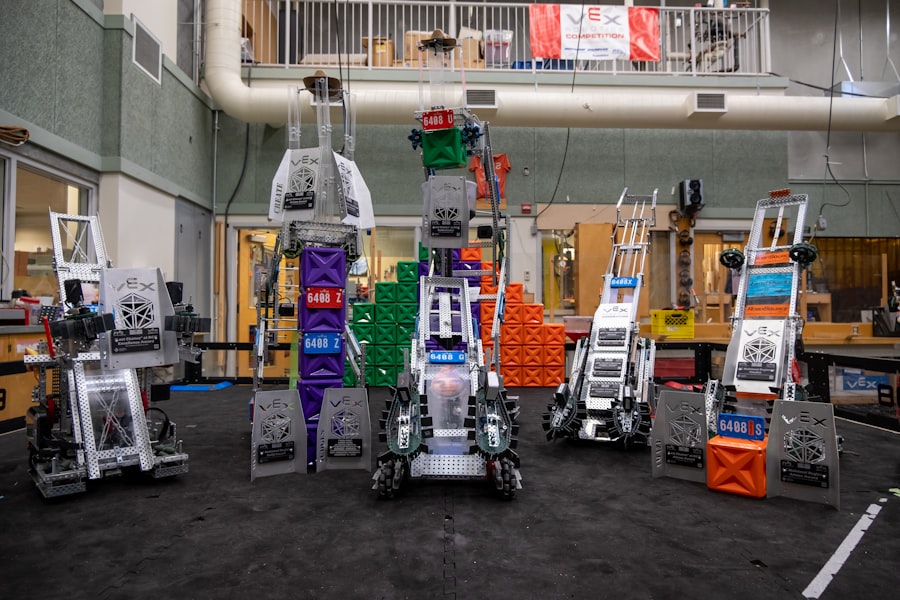
Deploying a swarm of intelligent robots requires careful consideration of the underlying technology and infrastructure. The architecture must support decentralized decision-making while ensuring overall system coordination and data management.
Robot Hardware and Communication Networks
The physical robots themselves need to be equipped with sensors, processing power, and communication modules. The warehouse also requires a robust wireless network capable of supporting high-bandwidth, low-latency communication between robots and potentially between robots and a supervisory system.
Autonomous Mobile Robots (AMRs)
Modern AMRs are the backbone of swarm robotics in warehouses. They are equipped with lidar, cameras, and other sensors for navigation and object detection. Their ability to move freely without fixed infrastructure, unlike traditional Automated Guided Vehicles (AGVs), is essential for swarm operations.
Inter-Robot Communication Protocols
Reliable and efficient communication protocols are critical. Robots need to exchange information about their position, status, detected obstacles, and task progress. Standardized protocols can facilitate interoperability and scalability, allowing for the integration of robots from different manufacturers. The network acts as the nervous system of the swarm.
Software Platforms and Algorithmic Design
The intelligence of the swarm resides in its software. This includes the implementation of SI algorithms, task management systems, and data analytics platforms.
Decentralized Control and Decision-Making Engines
Each robot typically runs a local control engine that handles immediate navigation, obstacle avoidance, and basic task execution. This engine interacts with the broader swarm intelligence algorithms, which might run on each robot or be distributed across a cluster of servers. The decision-making power is fundamentally distributed, not solely reliant on a central brain.
Shared Mapping and Environmental Awareness
For effective collaboration, robots often share a common map of the warehouse. This map is continuously updated by the robots as they explore and encounter changes. This shared understanding of the environment allows for more intelligent path planning and congestion avoidance. It’s like each ant adding to a collective mental map of the foraging area.
Integration with Warehouse Management Systems (WMS)
While SI enables decentralized operation, integration with a higher-level Warehouse Management System (WMS) is still necessary for managing inventory, orders, and overall operational strategy. The SI system acts as an intelligent execution layer for the directives from the WMS.
Bridging the Gap Between Strategic and Tactical Operations
The WMS defines what needs to be done (e.g., pick item X for order Y). The swarm intelligence layer then determines how best to achieve this goal through the coordinated actions of the robots. This creates a seamless flow from strategic planning to tactical execution.
Data Analytics and Performance Monitoring
Accumulated data from the swarm’s operations provides valuable insights for optimizing performance. Analyzing pick rates, travel times, and error rates can inform adjustments to algorithms and identify areas for improvement. This constant feedback loop is essential for continuous optimization.
In exploring the advancements in warehouse logistics, a fascinating article discusses the role of swarm intelligence in optimizing operations, which can be found here. This innovative approach leverages the collective behavior of decentralized systems to enhance efficiency, making it a crucial aspect of the ongoing Robotics Revolution. By integrating such intelligent systems, warehouses can significantly improve their inventory management and order fulfillment processes, ultimately leading to reduced costs and increased productivity.
Benefits and Challenges of Swarm Intelligence in Warehousing
| Metric | Traditional Warehouse | Swarm Intelligence Robotics | Improvement |
|---|---|---|---|
| Order Fulfillment Time | 45 minutes | 20 minutes | 55% faster |
| Operational Efficiency | 70% | 90% | 20% increase |
| Energy Consumption per Task | 100 units | 65 units | 35% reduction |
| System Downtime | 8 hours/month | 2 hours/month | 75% reduction |
| Scalability (Number of Robots) | Up to 50 | Up to 200 | 4x increase |
| Error Rate in Item Picking | 3% | 0.5% | 83% reduction |
The adoption of swarm intelligence in warehouse robotics offers substantial advantages, but also presents unique challenges that need to be addressed for successful implementation.
Quantifiable Advantages
The most significant benefits are typically measured in terms of operational efficiency and cost reduction.
Increased Throughput and Speed
By optimizing task allocation, navigation, and material handling, swarms of robots can significantly increase the volume of goods processed within a given timeframe. Faster fulfillment leads to improved customer satisfaction and a competitive edge, especially in the rapidly evolving e-commerce landscape.
Reduced Operational Costs
Swarm intelligence contributes to cost savings through several avenues. Reduced labor requirements, lower energy consumption due to optimized routes, and minimized errors all contribute to a more cost-effective operation. Longer robot lifespans due to better load distribution and reduced wear-and-tear can also be realized.
Enhanced Flexibility and Scalability
The modular nature of robotic swarms allows for easy scaling up or down of operations in response to demand fluctuations. Adding or removing robots from the swarm is a relatively straightforward process, enabling businesses to adapt quickly to market changes without major infrastructure overhauls.
Navigating the Complexities
Despite the promising benefits, implementation comes with its own set of hurdles.
Initial Investment and Infrastructure Requirements
The upfront cost of acquiring a fleet of AMRs and establishing the necessary communication infrastructure can be substantial. Careful ROI analysis is crucial before adoption.
Algorithmic Complexity and Fine-Tuning
Developing and fine-tuning SI algorithms specifically for a given warehouse environment can be complex. Ensuring robust performance across a wide range of scenarios requires expertise and iterative refinement. It’s like teaching a complex game to a large group of players, where each player needs to understand their role and how to interact.
System Security and Data Privacy
As with any networked system, security is a paramount concern. Protecting the swarm’s communication channels from interference and ensuring the integrity of the data it generates is essential to prevent disruptions and operational failures. Data privacy considerations for worker and operational data also need to be addressed.
Integration and Interoperability Issues
Ensuring seamless integration between the swarm robotics system, existing WMS, and other automation technologies can be a challenge. Interoperability standards are still evolving, and bridging the gap often requires custom integration efforts.
The Future of Warehouse Logistics with Swarm Intelligence
The application of swarm intelligence in warehouse robotics is not a distant future concept but a present reality that is rapidly shaping the industry. As the technology matures and its adoption increases, we can expect further innovations and broader implementation.
Continuous Learning and Adaptation
Future SI systems will likely incorporate more advanced machine learning techniques, enabling robots to learn from their experiences and continuously adapt their strategies. This move towards self-optimizing systems will further enhance efficiency and resilience.
Human-Robot Collaboration in Swarms
While automation is increasing, human involvement in warehouses will remain crucial. Future swarm intelligence will likely focus on more sophisticated human-robot collaboration, where robots and humans work together seamlessly, leveraging each other’s strengths. Robots can handle repetitive, physically demanding, or dangerous tasks, while humans focus on complex decision-making, quality control, and exception handling.
Broader Ecosystem Integration
Swarm intelligence in warehousing will become increasingly integrated with broader supply chain logistics. This includes coordination with autonomous vehicles for inbound and outbound transportation, and integration with smart manufacturing systems. The warehouse will become a more dynamic node within a highly interconnected ecosystem.
The Swarm as a Living, Breathing System
Imagine a warehouse where the robotic workforce acts as a single, intelligent entity. It anticipates demand, optimizes its own operations, and adapts to disruptions with a collective intelligence that surpasses individual capabilities. This is the promise of swarm intelligence in warehouse logistics. The warehouse will evolve from a static storage facility to a dynamic, intelligent hub at the heart of commerce.