

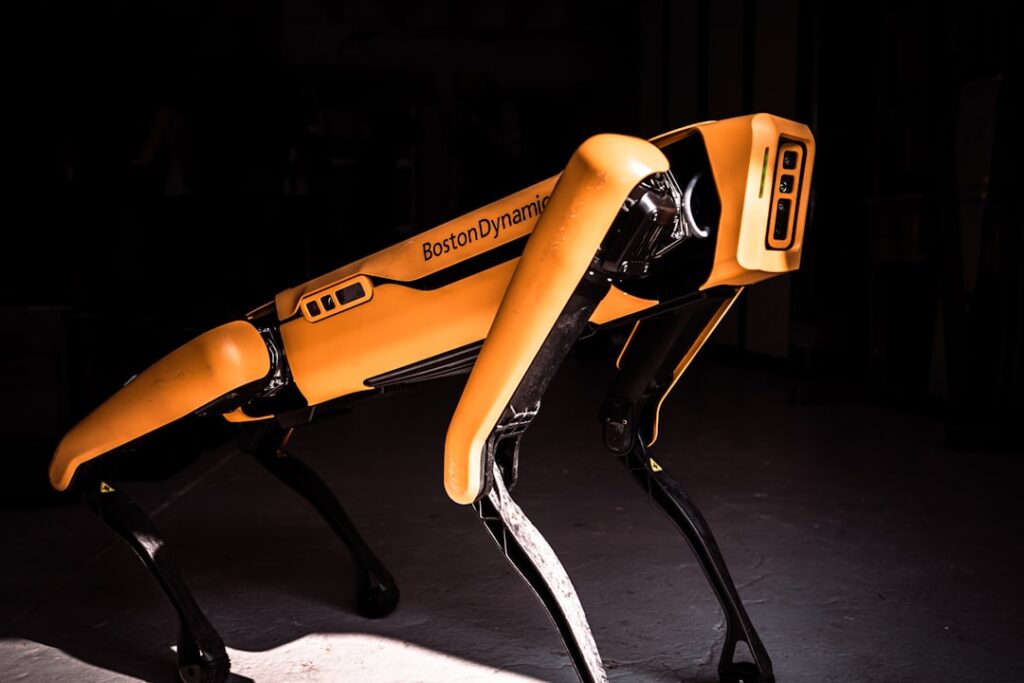
The field of surgery has been transformed by the increasing integration of robotics. This paradigm shift, often termed the “Robotics Revolution,” is not merely about introducing machines into the operating room; it is fundamentally about enhancing human capabilities through precision engineering. Next-generation surgical robots represent the culmination of decades of research and development, pushing the boundaries of what is medically possible. These systems offer surgeons unprecedented levels of control, visualization, and dexterity, leading to minimally invasive procedures with improved patient outcomes.
The journey of surgical robotics began with a vision to overcome the physical limitations of human surgeons. Early concepts focused on teleoperation, allowing surgeons to control robotic arms remotely. This was driven by the desire to perform complex procedures in challenging environments, such as space or deep-sea exploration, and later, the realization that remote access could democratize access to specialized surgical expertise.
Early Prototypes and Telepresence
The earliest forays into surgical robotics were experimental. Think of them as the early automobiles – functional, but far from the sleek, sophisticated machines we see today. These systems often involved bulky robotic arms controlled by a human operator via a console. The critical innovation here was the idea of telepresence, where the surgeon felt as if they were virtually present within the patient’s anatomy, manipulating instruments with a sense of direct control. The Da Vinci Surgical System, first FDA-approved in 2000, stands as a landmark in this evolution, moving beyond experimental stages and into widespread clinical adoption. Its success paved the way for further innovation.
The Drive for Minimally Invasive Procedures
A primary catalyst for robotic development in surgery was the growing emphasis on minimally invasive techniques. Traditional open surgery, while effective, often involved large incisions, leading to prolonged recovery times, increased pain, and a higher risk of complications. Robotic surgery offered a compelling alternative, enabling surgeons to operate through small incisions, often no larger than a finger’s breadth. This translates to faster healing, reduced scarring, and a quicker return to normal activities for patients. The robotic platform acts as a sophisticated extension of the surgeon’s hands, allowing them to navigate delicate anatomical structures with unparalleled precision.
In the context of the ongoing advancements in medical technology, the article “Robotics Revolution: Precision Engineering in Next-Gen Surgical Robots” highlights the transformative impact of robotics in the surgical field. For further insights into the latest innovations and trends in robotics, you may find the article on comprehensive lists of related topics at this link. This resource provides a broader perspective on how robotics is shaping various industries, including healthcare.
Precision Engineering: The Heart of Next-Gen Surgical Robots
The ability of surgical robots to perform complex maneuvers with extreme accuracy is directly attributable to advancements in precision engineering. This involves the meticulous design and manufacturing of every component, from the robotic arms to the instrument tips. The goal is to replicate and surpass human dexterity, enabling surgeons to execute procedures with exceptional finesse.
Advanced Actuation and Control Systems
At the core of any surgical robot lie its actuation and control systems. These are the “muscles” and “brain” of the machine. Next-generation robots employ sophisticated electric motors and advanced control algorithms that allow for incredibly precise movements. Imagine a dancer performing a ballet – each movement is fluid, controlled, and executed with grace. Robotic actuators aim for a similar level of controlled precision, allowing surgeons to make micro-movements that would be impossible for the human hand to achieve without tremor. The feedback mechanisms in these systems are also crucial, allowing surgeons to “feel” the resistance of tissue, albeit through haptic feedback rather than direct touch.
Miniature Instrumentation and End-Effectors
The instruments used by surgical robots are a marvel of miniaturization and advanced materials. These are not your grandfather’s surgical tools. They are designed to be incredibly small and yet robust, capable of performing a range of tasks from grasping and cutting to suturing. The “end-effectors” – the very tips of these instruments – have become increasingly sophisticated. Think of a Swiss Army knife, but on a microscopic scale and designed for specific surgical tasks. Some end-effectors are capable of articulating through seven degrees of motion, mirroring and even exceeding the dexterity of the human wrist. This allows for intricate maneuvers within confined spaces, navigating around vital structures with minimal disruption.
Sensor Technology and Real-time Feedback
The integration of advanced sensor technology is a key characteristic of next-generation surgical robots. These sensors provide surgeons with rich, real-time data about the surgical field. This can include visual cues (high-definition, 3D imaging), tactile feedback (force sensing), and even information about tissue properties. This constant stream of information acts as a sophisticated co-pilot, augmenting the surgeon’s understanding and guiding their actions. Imagine a highly skilled navigator charting a course through treacherous waters; the sensors on a surgical robot provide the equivalent of detailed maps, sonar readings, and weather reports, all in real-time. This allows for more informed decision-making and can help prevent unintended consequences.
Enhanced Visualization: Seeing the Unseen
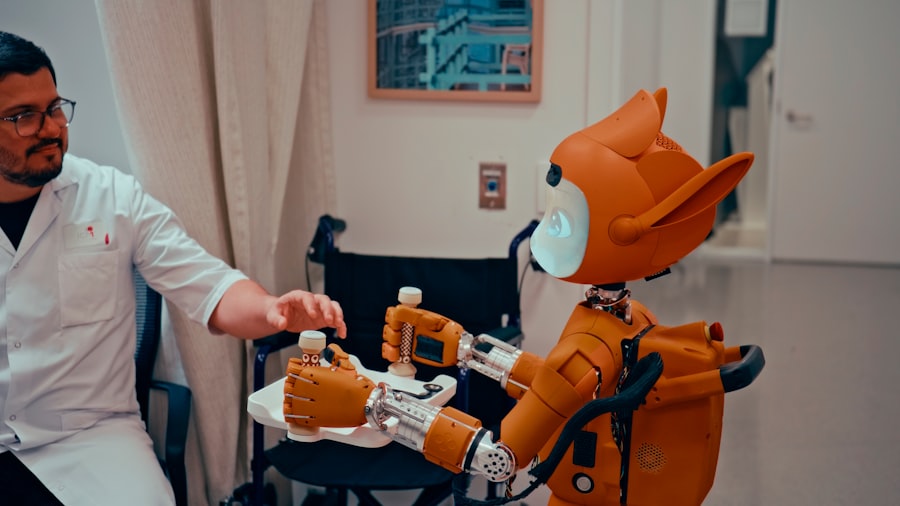
Precision in surgery is impossible without a clear and comprehensive view of the operative field. Surgical robots have revolutionized visualization, transforming the surgeon’s perspective from a limited, often indirect view, to an immersive, high-definition experience.
High-Definition 3D Endoscopy
The standard for visualization in robotic surgery is high-definition, three-dimensional (3D) endoscopy. This is akin to upgrading from a black-and-white television to a state-of-the-art IMAX screen. The camera systems integrated into surgical robots provide magnified, stereoscopic views that allow surgeons to perceive depth and detail with exceptional clarity. This is crucial for differentiating between delicate anatomical structures, such as nerves and blood vessels, and the target tissue. The depth perception offered by 3D visualization significantly reduces the risk of accidental damage to surrounding tissues.
Augmented Reality Integration
A promising frontier in surgical robotics is the integration of augmented reality (AR). AR overlays digital information onto the surgeon’s real-time view of the patient. This can include pre-operative imaging data (like CT or MRI scans), anatomical atlases, or patient-specific surgical plans. Imagine a pilot flying with a heads-up display that shows critical flight data directly on their windshield. Similarly, AR in surgery can project vital information directly onto the surgeon’s field of view, guiding them with precision and highlighting critical structures. This can significantly improve accuracy and reduce operative time.
Intraoperative Imaging and Navigation
Some advanced robotic systems incorporate intraoperative imaging capabilities and sophisticated navigation systems. This allows surgeons to visualize the surgical field in real-time using modalities like ultrasound or even specialized X-ray imaging, and to track the position of their instruments within the patient’s anatomy with extreme accuracy. This is like having a continuously updated GPS system that knows exactly where you are and where you need to go within the complex landscape of the human body. This capability is particularly valuable in complex tumor resections where precise margins are critical.
Applications Across Surgical Specialties: A Broad Impact
The benefits of precision engineering in surgical robotics are not confined to a single medical discipline. They are being realized across a wide spectrum of surgical specialties, each presenting unique challenges and opportunities for robotic intervention.
General Surgery and Minimally Invasive Techniques
In general surgery, robotic systems have become indispensable for procedures such as colectomies, appendectomies, and hernia repairs. The enhanced dexterity and visualization allow for more precise dissection and suturing, leading to reduced blood loss, shorter hospital stays, and faster recovery for patients. The ability to perform complex tasks through small incisions has made minimally invasive approaches the gold standard for many abdominal procedures. The robot acts as a sophisticated extension of the surgeon’s hands, allowing them to perform intricate maneuvers with a steady, tremor-free precision.
Urology and Gynecology: Precision in Confined Spaces
Urological and gynecological surgeries often involve operating in tight anatomical spaces. Robotic systems excel in these areas, enabling surgeons to perform procedures like prostatectomies, hysterectomies, and pelvic floor repairs with enhanced precision. The articulated instruments can navigate narrow pelvic regions and reach difficult-to-access areas with minimal trauma to surrounding tissues. Imagine performing delicate beadwork in a very confined box; the robot’s instruments offer the dexterity and maneuverability needed for such intricate tasks. This translates to better functional outcomes and reduced complication rates for patients.
Cardiac and Thoracic Surgery: Enhancing Complex Procedures
Robotic assistance has also made significant inroads into cardiac and thoracic surgery. Procedures such as coronary artery bypass grafting and lung resections can now be performed with greater precision and less invasiveness. The ability to perform complex suturing and dissection in the confined space of the chest cavity is greatly facilitated by robotic systems. This can lead to smaller incisions, reduced pain, and quicker recovery for patients undergoing these often life-saving procedures. The robot allows surgeons to perform these delicate maneuvers with an unwavering steadiness, minimizing the risk of unintended injury to vital organs.
In the context of advancements in medical technology, the article on Robotics Revolution: Precision Engineering in Next-Gen Surgical Robots highlights the transformative impact of robotics in healthcare. For those interested in exploring the ethical implications and regulatory challenges associated with these innovations, a related article can be found at this link. This resource delves into the complexities of integrating cutting-edge robotics into surgical practices, ensuring that safety and efficacy remain paramount as we embrace the future of medicine.
The Future of Surgical Robotics: Innovation on the Horizon
| Metric | Value | Unit | Description |
|---|---|---|---|
| Precision Accuracy | 0.1 | mm | Average positional accuracy of surgical robot instruments |
| Degrees of Freedom | 7 | axes | Number of independent movements allowed by robotic arms |
| Latency | 20 | ms | Time delay between surgeon input and robot response |
| Force Feedback Sensitivity | 0.05 | Newton | Minimum detectable force by haptic feedback system |
| Operation Time Reduction | 30 | % | Average decrease in surgery duration compared to traditional methods |
| Patient Recovery Time Reduction | 40 | % | Average reduction in recovery time post-surgery |
| System Uptime | 99.8 | % | Reliability and availability of surgical robot systems |
| Cost Efficiency Improvement | 25 | % | Reduction in operational costs due to robotic assistance |
The evolution of surgical robotics is far from complete. Ongoing research and development are focused on further enhancing precision, expanding capabilities, and making these advanced technologies more accessible.
Increased Autonomy and AI Integration
The integration of artificial intelligence (AI) and machine learning is poised to play a significant role in the future of surgical robotics. While fully autonomous surgery remains a distant prospect, AI can assist surgeons in tasks such as recognizing anatomical structures, predicting tissue behavior, and optimizing surgical plans. Imagine an AI as a highly intelligent assistant that can analyze vast amounts of surgical data to provide insights and recommendations to the human surgeon. This could lead to more efficient and safer procedures.
Haptic Feedback and Tactile Sensing
The development of more sophisticated haptic feedback systems is another critical area of research. Currently, the tactile sensation of robotic surgery is simulated. Future systems aim to provide surgeons with a more realistic sense of touch, allowing them to feel the texture, stiffness, and resistance of tissues with greater fidelity. This would be like upgrading from looking at a texture to actually being able to feel it. This enhanced tactile feedback will further improve the surgeon’s ability to make delicate dissections and sutures.
Accessibility and Democratization of Robotic Surgery
While robotic surgery has demonstrated clear benefits, its widespread adoption can be hampered by cost and availability. Efforts are underway to develop more cost-effective robotic systems and to expand training programs, making advanced robotic surgical capabilities accessible to a broader range of hospitals and patients globally. The goal is to democratize the benefits of precision engineering in surgery, ensuring that patients everywhere can benefit from these life-changing technologies. Think of it as a technological tide that is lifting all boats, bringing advanced surgical care to more communities.