

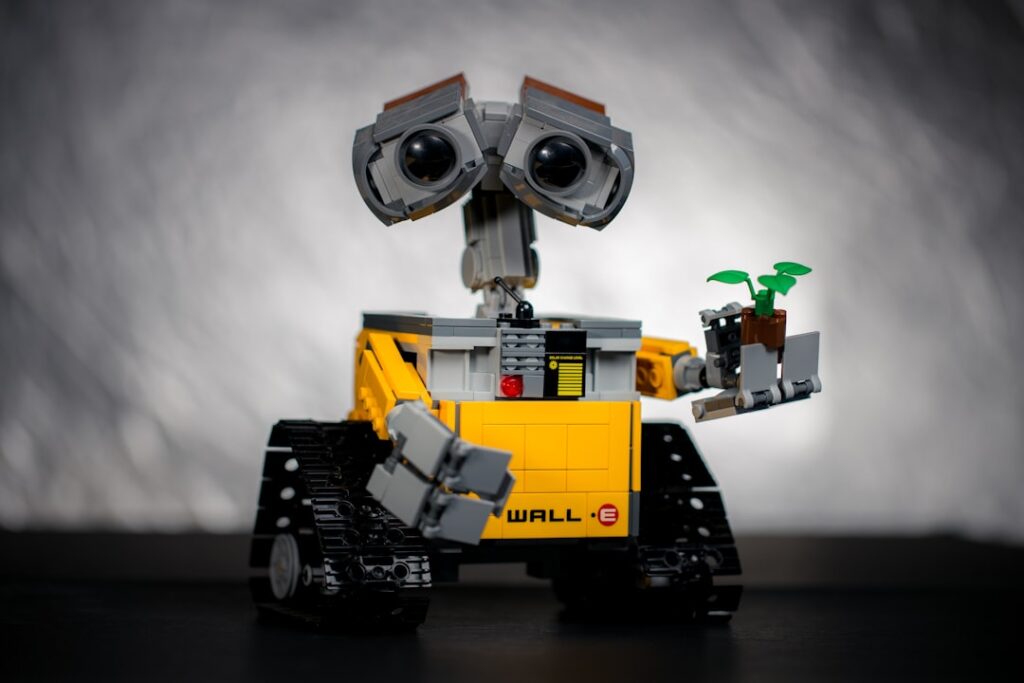
The agricultural sector, long a bastion of tradition, is undergoing a profound transformation. For centuries, farming has relied on human labor and robust, often rigid, machinery. However, the increasing demands of feeding a growing global population, coupled with labor shortages and the desire for greater efficiency and sustainability, are pushing the boundaries of current technology. Enter soft robotics, a burgeoning field that offers a unique set of solutions to long-standing agricultural challenges. Unlike their metallic, inflexible predecessors, soft robots are constructed from compliant materials, allowing them to interact with delicate crops and complex environments with unprecedented grace. Imagine a farmer no longer wrestling with heavy, unforgiving machinery, but working alongside nimble, adaptable robotic companions. This is the promise of soft robotics applied to agriculture – a nuanced partnership between man and machine to cultivate the future.
This article will explore the impact of soft robotics on modern agriculture, detailing its current applications, its potential for revolutionizing practices, and the challenges that lie ahead. We will delve into the specific ways these adaptable robots are enhancing precision, improving efficiency, and contributing to a more sustainable future for food production.
Understanding the Fundamentals: The Essence of Soft Robotics
Soft robotics represents a departure from conventional robotics, which typically employs rigid materials like metal and hard plastics. The defining characteristic of soft robots lies in their inherent flexibility and deformability, achieved through the use of materials such as polymers, silicones, elastomers, and even biological tissues. This ability to bend, stretch, and conform to their surroundings allows them to accomplish tasks that are difficult or impossible for rigid robots.
The Material Basis of Softness
The selection of materials is paramount to the functionality of soft robots. These materials are not merely passive components but active players in the robot’s motion and interaction.
Elastomers and Polymers: The Foundation of Flexibility
Elastomers, like silicone rubber, are widely used for their high elasticity and durability. They can be molded into complex shapes and are resistant to environmental degradation, making them suitable for outdoor agricultural applications. Polymers, in their various forms, offer a broad spectrum of properties, from pliable films to more structured, yet still compliant, frameworks.
Beyond Traditional Materials: Emerging Innovations
Research continues to explore novel materials, including hydrogels for their water content and biocompatibility, and even bio-inspired materials that mimic the properties of natural tissues. The goal is to imbue soft robots with ever-greater dexterity and responsiveness.
Actuation Mechanisms: Driving Deformability
The ability of soft robots to move and change shape is driven by specialized actuation systems. These differ significantly from the geared motors and actuators found in rigid robots.
Pneumatic and Hydraulic Actuation: The Power of Fluids
One of the most common actuation methods involves using pressurized fluids, either air (pneumatic) or liquid (hydraulic). By directing these fluids into internal channels or chambers within the soft robotic components, their shape can be precisely controlled. Think of it like inflating a balloon to create movement or a specific form. This allows for controlled grasping, bending, and expansion.
Electroactive Polymers (EAPs): Responding to Electrical Stimuli
EAPs are materials that change their shape or size when an electric voltage is applied. This offers a more direct and potentially miniaturized form of actuation, akin to artificial muscles. These can be integrated into soft robotic end-effectors for fine manipulation.
Shape Memory Alloys (SMAs) and Thermally Responsive Materials
SMAs are metals that can be deformed at one temperature and then return to their original shape when heated. This property can be harnessed for controlled movement and actuation in some soft robotic designs, offering a unique form of programmable flexibility. Thermally responsive polymers also exhibit shape changes in response to temperature variations, providing another avenue for controlled motion.
Precision Farming Reimagined: Soft Robotics in Action
The agricultural landscape is one of immense variability. Crops differ in size, shape, and ripeness, and the terrain itself can be uneven and challenging. Rigid robots, despite their strength, can struggle with this inherent unpredictability. Soft robotics, with its inherent adaptability, offers a compelling solution to enhance precision across various farming operations.
Delicate Harvesting: The Gentle Touch of Soft Grippers
Harvesting is a critical stage where damage to produce can lead to significant post-harvest losses. Traditional robotic pickers, often designed for robust manufactured goods, can bruise or crush delicate fruits and vegetables. Soft grippers, however, are designed to mimic the nuanced grip of human hands.
End-Effectors Conforming to Fruit and Vegetable Shapes
Soft robotic grippers, often fabricated from silicone or other elastomers, can be designed with multiple fingers or flexible suction cups that conform to the unique contours of each piece of produce. This eliminates the risk of applying excessive force to localized areas. Imagine trying to pick an egg; you wouldn’t grip it with a wrench. You’d use a gentle, encompassing touch – that’s the principle behind soft grippers.
Variable Grip Force Control for Diverse Produce
The ability to precisely control the grip force is crucial. A soft gripper can be programmed to apply just enough pressure to secure a ripe tomato without crushing it, or to firmly grasp a more robust root vegetable. This level of precision minimizes spoilage and maximizes the quality of the harvested crop.
Precision Planting and Seedling Handling
The initial stages of crop cultivation, from seed sowing to transplanting seedlings, also benefit from the gentle touch of soft robotics.
Gentle Seed Handling and Placement
Ensuring seeds are placed at the optimal depth and spacing is vital for germination and healthy growth. Soft robotic manipulators can handle tiny seeds with precision, preventing them from being damaged or lost during the planting process, ensuring each seed has the best chance to sprout.
Seedling Transplanting with Minimal Root Disturbance
Transplanting young seedlings can be a delicate operation. Soft robotic end-effectors can gently grasp the seedling’s stem or base, minimizing stress on the delicate root system. This reduces transplant shock and promotes faster establishment in the field.
Crop Monitoring and Data Collection
Understanding crop health and growth patterns requires in-situ monitoring. Soft robots can provide a non-intrusive and adaptable platform for this vital task.
Soft Robotic Eyes for Intimate Inspection
Robots equipped with soft, flexible cameras or sensors can navigate through dense foliage without causing damage. This allows for close-up inspection of leaves, stems, and developing fruits, identifying early signs of disease, pest infestation, or nutrient deficiencies. They can get up close and personal with the plants, as a doctor might examine a patient’s skin.
Soil and Environmental Sensing Platforms
Soft robots can be designed to extend compliant probes into the soil to measure moisture levels, pH, and nutrient content. Their flexible nature allows them to adapt to varying soil densities and conditions without compaction.
Enhancing Efficiency and Sustainability: The Economic and Environmental Impact
Beyond precision, soft robotics offers significant advantages in terms of operational efficiency and contributes to more sustainable agricultural practices.
Reducing Labor Dependency and Improving Working Conditions
Agriculture has historically been labor-intensive. Aging farming populations and a dwindling rural workforce present significant challenges. Soft robots can alleviate some of this pressure.
Automating Repetitive and Physically Demanding Tasks
Tasks like weeding, pruning, and tedious harvesting can be delegated to soft robots, freeing up human workers for more complex decision-making and supervisory roles. This not only addresses labor shortages but also improves the working conditions for human agricultural laborers, reducing the risk of repetitive strain injuries and other physical ailments.
Enabling Remote Operations and Increased Productivity
Soft robotic systems can be operated remotely or autonomously, allowing for continuous operation and increasing overall farm productivity. This is particularly valuable in challenging or remote locations.
Minimizing Waste and Optimizing Resource Utilization
The precision afforded by soft robotics directly translates to reduced waste of both produce and agricultural inputs.
Targeted Intervention: Less Chemical Use
By enabling highly localized pest detection and removal, or precise application of fertilizers and pesticides only where needed, soft robots can significantly reduce the overall volume of chemical inputs required. This not only lowers costs but also has a positive environmental impact by minimizing chemical runoff into waterways and reducing soil contamination. Imagine using a laser pointer to target a specific weed, rather than a broad spray – that’s the essence of targeted intervention.
Reduced Post-Harvest Losses
As mentioned, the gentle handling of produce by soft grippers leads to less bruising and spoilage during harvesting. This directly reduces food waste and increases the amount of marketable produce.
Adapting to Climate Change and Environmental Challenges
The changing climate presents new challenges for agriculture, including unpredictable weather patterns, increased pest pressures, and the need for more resilient farming systems.
Versatility in Dynamic Environments
The inherent adaptability of soft robots allows them to function effectively in a wider range of environmental conditions compared to rigid counterparts. They can navigate uneven terrain, work in areas with dense vegetation, and even potentially assist in post-disaster crop recovery.
Enabling Vertical Farming and Controlled Environment Agriculture (CEA)
As agriculture increasingly moves indoors to controlled environments, soft robotics can play a crucial role in maintaining these complex systems. Their ability to navigate narrow spaces and handle delicate plants makes them ideal for tasks within vertical farms and greenhouses.
The Road Ahead: Challenges and Future Directions
While the potential of soft robotics in agriculture is immense, several challenges must be addressed to realize its full promise.
Technical Hurdles in Scalability and Durability
Bringing soft robotic solutions from the lab to the field requires addressing issues of manufacturing scale, cost, and long-term durability in harsh agricultural environments.
Manufacturing and Mass Production
Developing cost-effective and reliable methods for mass-producing complex soft robotic components is a significant challenge. Traditional manufacturing techniques are not always suitable for the intricate designs and compliant materials involved.
Environmental Resilience and Maintenance
Agricultural environments can be dusty, wet, and exposed to extreme temperatures. Ensuring soft robots can perform reliably in these conditions and are easy to maintain and repair is crucial for widespread adoption. The lifespan of compliant materials in such demanding settings needs to be thoroughly tested and improved.
Integration with Existing Agricultural Infrastructure
Successfully integrating soft robots into existing farming operations requires careful consideration of existing machinery, data management systems, and farm layouts.
Interoperability and Communication Standards
For soft robots to work seamlessly alongside other farm equipment, there needs to be robust interoperability and standardized communication protocols. This ensures that robots can share data and coordinate their actions effectively.
Human-Robot Collaboration and Training
While soft robots aim to assist humans, effective human-robot collaboration requires clear communication, intuitive interfaces, and adequate training for farm workers to operate and supervise these new technologies. It won’t be about replacing farmers, but about augmenting their capabilities.
Regulatory and Ethical Considerations
As with any advanced technology, the deployment of soft robotics in agriculture raises important questions regarding safety, data privacy, and the broader societal impact.
Safety Standards and Certification
Establishing clear safety standards and certification processes for soft robotic agricultural equipment is essential to ensure the well-being of both workers and the environment.
Data Ownership and Privacy
The data collected by soft robots about crops, soil conditions, and farm operations raises questions about data ownership, privacy, and how this information will be used and protected.
The Future Landscape: Autonomous Systems and Synergistic Farming
Looking further ahead, the integration of soft robotics with artificial intelligence and other advanced technologies promises even more transformative changes in agriculture.
Fully Autonomous Farming Systems
The ultimate goal for many in the field is the development of fully autonomous farming systems, where soft robots, guided by advanced AI, handle most of the physical labor and decision-making.
Personalized Agriculture and Precision Nutrition
Future soft robotic systems could enable highly personalized approaches to crop management, delivering precise nutrients and treatments to individual plants based on their real-time needs. This could lead to optimized yields and improved crop quality on an unprecedented scale.
Conclusion: Cultivating a Smarter Future
The emergence of soft robotics heralds a significant leap forward in agricultural technology. By offering a more delicate, adaptable, and responsive approach to farming tasks, these innovative robots are poised to revolutionize how we grow our food. From precision harvesting and planting to continuous crop monitoring, soft robotics empowers us to work more efficiently, sustainably, and with greater care for our delicate environment. While challenges remain in terms of manufacturing, integration, and regulation, the trajectory is clear: soft robotics is not just an incremental improvement; it is a fundamental shift that promises to help us meet the growing global demand for food in a more intelligent and harmonious way. The future of farming is not just about bigger machines or more chemicals; it is about precision, adaptability, and a new, nuanced partnership between humanity and technology, guided by the gentle, intelligent touch of soft robotics.