


The agricultural sector, a cornerstone of human civilization, faces multifaceted challenges ranging from increasing global food demand to labor shortages and environmental concerns. Traditional farming methods, often characterized by their reliance on manual labor and large, monolithic machinery, are reaching their limitations. A new paradigm is emerging, driven by technological advancements: the integration of robotics, particularly those inspired by swarm intelligence, into agricultural practices. This article explores the burgeoning field of swarm intelligence in agricultural robotics, examining its foundations, applications, and potential to reshape the future of food production.
Agricultural robotics is not a new concept. Early iterations focused on automating singular tasks, such as harvesting specific crops or assisting with planting. However, these systems often lacked adaptability and faced significant hurdles in complex, unstructured environments like open fields. The inherent variability in plant growth, soil conditions, and terrain made traditional robotic deployments inefficient and costly.
Limitations of Traditional Agricultural Robotics
- Rigidity: Early robots were often designed for specific, repetitive tasks, lacking the flexibility to adapt to diverse agricultural scenarios.
- Cost: The development and deployment of robust, large-scale agricultural robots were, and still are, substantial investments.
- Single Point of Failure: Reliance on individual, complex machines meant a single malfunction could halt operations.
- Scalability Issues: Replicating large, expensive robots across vast agricultural landscapes proved economically unfeasible for many.
These limitations underscored the need for a more distributed, robust, and adaptable approach to automation in agriculture. The answer, as many researchers are discovering, lies in the collective power of many small, interconnected units – a concept known as swarm intelligence.
In exploring the advancements in agricultural robotics, the article “Robotics Revolution: Swarm Intelligence in Agricultural Robotics” highlights the transformative potential of swarm intelligence in optimizing farming practices. For further insights into the benefits and membership options related to agricultural technology, you can visit this related article on membership plans at Brainng Membership Plans. This resource provides valuable information for those interested in staying updated on the latest developments in the field.
Understanding Swarm Intelligence
Swarm intelligence (SI) is a fascinating field within artificial intelligence, drawing inspiration from the collective behavior of decentralized, self-organized systems in nature. Think of ant colonies foraging for food, bird flocks navigating migration routes, or schools of fish evading predators. Individually, these agents possess limited capabilities and incomplete information. Yet, through simple local interactions and emergent properties, they exhibit complex, intelligent global behavior.
Key Principles of Swarm Intelligence
- Decentralization: No single leader dictates the actions of the entire swarm. Decisions are made locally by individual agents based on their immediate environment and interaction with neighbors. This eliminates single points of failure.
- Self-Organization: Complex global patterns and behaviors emerge from simple, local rules. The swarm adapts and evolves without explicit programming for every possible scenario.
- Emergent Behavior: The collective intelligence of the swarm surpasses the capabilities of any individual member. “The whole is greater than the sum of its parts” perfectly encapsulates this principle.
- Redundancy: The failure of a few individuals does not cripple the entire system. This inherent fault tolerance makes swarm systems robust.
- Scalability: Adding more agents to a swarm can often improve its performance and coverage, making it inherently scalable.
These principles translate directly into compelling advantages for agricultural applications. Instead of one large, expensive robot, imagine a fleet of smaller, more affordable units working in concert.
Applications of Swarm Robotics in Agriculture
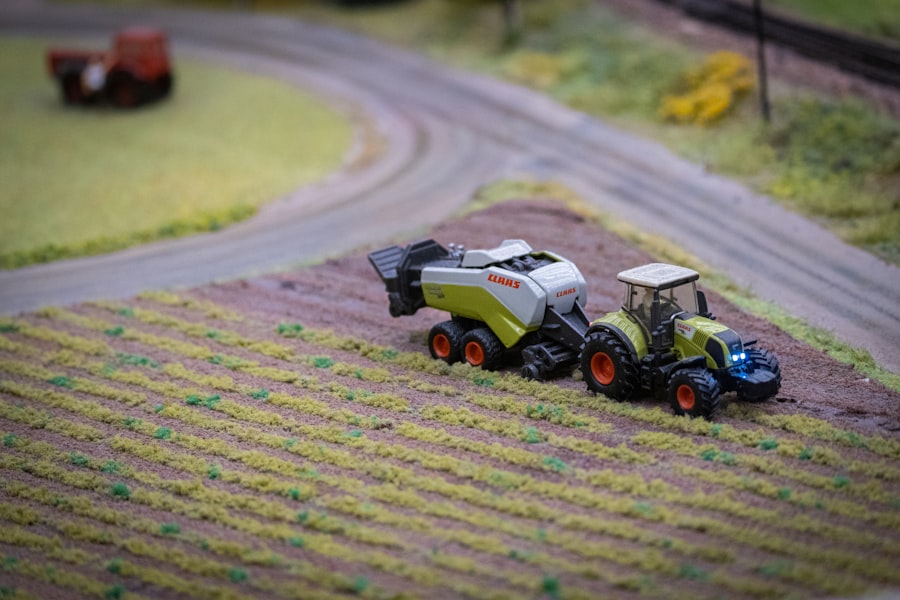
The potential applications of swarm intelligence in agricultural robotics are vast and transformative. From precision tasks to large-scale monitoring, swarms offer a level of detail and efficiency previously unattainable.
Precision Farming and Crop Monitoring
One of the most immediate and impactful applications of swarm robotics is in precision farming. Imagine a swarm of small, autonomous robots meticulously traversing a field, each equipped with sensors to monitor individual plants.
- Individual Plant Health Assessment: Robots can analyze plant color, leaf size, and temperature to detect early signs of stress, disease, or nutrient deficiency. This detailed, plant-level data can then be aggregated to generate precise action maps.
- Targeted Irrigation: Instead of blanket watering entire fields, a swarm can identify dry patches or individual plants requiring more water, delivering hydration precisely where needed, conserving resources.
- Nutrient Management: Similarly, targeted application of fertilizers or micronutrients can be achieved, reducing waste and environmental impact.
- Weed Detection and Removal: Robots can identify weeds using image recognition and either mechanically remove them or precisely apply herbicides, minimizing the use of chemicals.
This granular level of intervention fundamentally shifts farming from a broad-strokes approach to a highly individualized, plant-centric methodology.
Automated Pollination
With declining bee populations and the increasing demand for certain crops, automated pollination presents a critical area for robotic intervention.
- Targeted Pollen Transfer: Small, agile robots can be designed to mimic bee behavior, navigating between flowers and meticulously transferring pollen, especially in controlled environments like greenhouses.
- Supplemental Pollination: In open fields, swarm robots can augment natural pollinators, ensuring optimal fruit set and yield.
- Monitoring Pollination Efficacy: Robots can also gather data on pollination success, providing valuable insights for crop management.
While still in its early stages, automated pollination by robotic swarms holds promise for ensuring crop fertility and mitigating the impact of pollinator decline.
Harvesting and Planting Operations
While large-scale harvesting presents significant challenges for small robots, swarm intelligence can contribute to more efficient planting and specialized harvesting tasks.
- Precision Planting: Swarms can precisely plant seeds at optimal depths and spacing, adapting to varying soil conditions in real-time. This can improve germination rates and overall crop uniformity.
- Selective Harvesting: For high-value crops that ripen at different times or require delicate handling, swarm robots can perform selective harvesting. Each robot can identify ripe produce and carefully pick it, minimizing damage and maximizing yield.
- Data-Driven Harvesting: By continuously monitoring growth and ripeness, swarm robots can optimize harvesting schedules, reducing losses due to over-ripening or premature harvesting.
The ability to operate continuously and precisely opens new avenues for optimizing labor-intensive processes.
Soil Analysis and Management
Understanding soil health is paramount in agriculture. Robotic swarms offer a dynamic way to gather and interpret this crucial information.
- Distributed Soil Sensing: Robots equipped with various sensors can fan out across a field, collecting data on soil moisture, pH levels, nutrient content, and compaction at numerous points.
- Real-time Mapping: This distributed data collection allows for the creation of highly detailed, real-time soil maps, highlighting variations that traditional methods might miss.
- Adaptive Tillage and Preparation: Based on the soil maps, swarm robots could potentially guide or even execute localized tillage or soil amendment activities, optimizing conditions for specific crops.
This continuous, high-resolution soil data empowers farmers to make more informed decisions about crop rotation, fertilization, and irrigation.
Challenges and Future Directions
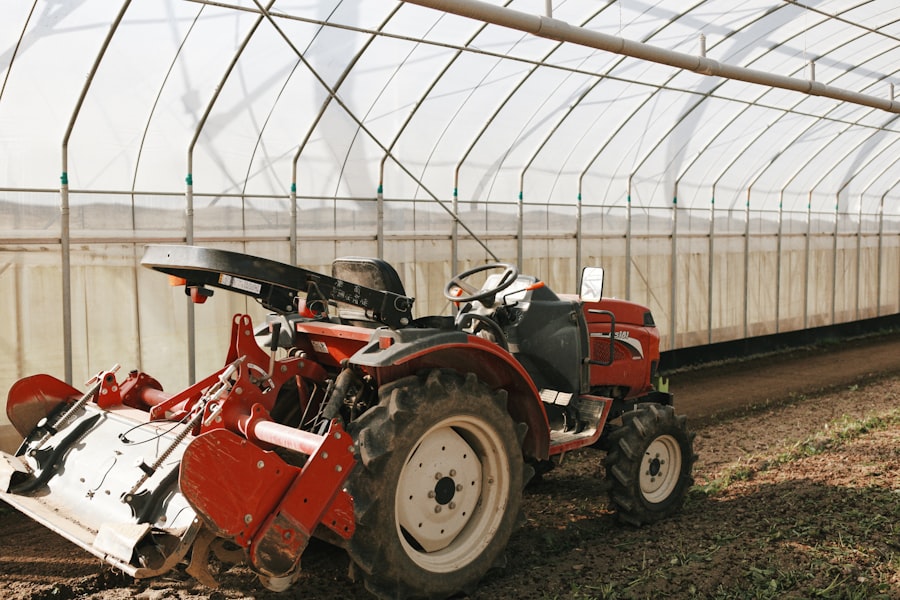
Despite the immense promise, the widespread adoption of swarm intelligence in agricultural robotics faces several significant hurdles.
Technical Hurdles
- Robustness in Harsh Environments: Agricultural settings are often dusty, wet, muddy, and feature uneven terrain. Robots need to be exceptionally durable and resistant to environmental factors.
- Energy Management: Continuous operation requires efficient power sources and charging infrastructure, especially for numerous small robots. Solar charging or
wireless charging could be solutions.
- Communication Infrastructure: Reliable and scalable communication between hundreds or thousands of robots in open fields is crucial for coordinated behavior. Mesh networks or satellite communication might be necessary.
- Navigation and Localization: Achieving precise navigation and localization for each robot in dynamic, GPS-denied environments (e.g., under dense canopy) remains a challenge.
- Human-Robot Interaction: Farmers need intuitive interfaces to monitor, control, and program swarm systems.
Economic and Societal Considerations
- Cost of Adoption: While individual robots may be cheaper, the initial investment in a swarm system, including all peripheral infrastructure, can still be substantial.
- Job Displacement: The automation of agricultural tasks raises concerns about potential job losses in the farming sector, necessitating training and reskilling initiatives.
- Regulatory Frameworks: New regulations will be needed to govern the operation of autonomous robotic swarms in agricultural landscapes, addressing issues like safety, data privacy, and environmental impact.
- Ethical Implications: Questions around the responsible deployment of AI-driven systems in food production will invariably arise.
Research and Development Focus Areas
Future research will likely concentrate on enhancing the autonomy and intelligence of individual swarm members.
- Advanced AI and Machine Learning: Integrating more sophisticated AI algorithms will enable robots to learn from their environment, adapt to unforeseen circumstances, and make more complex decisions in real-time.
- Bio-inspired Design: Further inspiration from natural swarms will lead to more energy-efficient, robust, and self-healing robotic designs.
- Hybrid Systems: Combining swarm robots with larger, more traditional agricultural machinery for complementary tasks could offer a robust solution. For example, a large harvester could be guided by data from a preceding robotic swarm.
- Standardization and Interoperability: Developing common protocols and standards for communication and operation will facilitate the integration of different robotic systems and components.
In the context of advancements in agricultural technology, the article on Robotics Revolution: Swarm Intelligence in Agricultural Robotics highlights the transformative potential of collaborative robotic systems in farming. For further insights into how these technologies are reshaping the agricultural landscape, you might find the related article on innovative farming techniques particularly enlightening. You can explore it here. This resource delves into various methods that complement the use of swarm intelligence, showcasing the future of efficient and sustainable agriculture.
Conclusion: A New Agricultural Ecosystem
| Metric | Description | Value / Data | Unit |
|---|---|---|---|
| Swarm Size | Number of robots operating simultaneously in a swarm | 50 – 200 | Robots |
| Task Efficiency Improvement | Increase in task completion speed compared to single robot systems | 30 – 50 | % |
| Coverage Area | Area covered by swarm in a single operational cycle | 10 – 50 | Hectares |
| Communication Range | Maximum effective communication distance between robots | 100 – 300 | Meters |
| Battery Life | Average operational time before recharge | 4 – 8 | Hours |
| Crop Monitoring Accuracy | Precision in detecting crop health and anomalies | 85 – 95 | % |
| Cost Reduction | Reduction in labor and operational costs using swarm robotics | 20 – 40 | % |
| Deployment Time | Time required to deploy and coordinate the swarm | 15 – 30 | Minutes |
The integration of swarm intelligence into agricultural robotics represents a transformational shift, much like the advent of mechanical farming during the industrial revolution. We are moving from an era of brute force and broad application to one of precision, adaptability, and distributed intelligence. Imagine a future where fields are tended by diligent armies of small, autonomous robots, each contributing to a healthier, more productive agricultural ecosystem.
This shift promises not only increased yields and efficiency but also a more sustainable and environmentally friendly approach to food production. By reducing reliance on harsh chemicals, conserving water, and optimizing resource allocation, swarm robotics offers a path toward a more resilient and sustainable agricultural future. The journey is complex, fraught with technical, economic, and societal challenges, but the potential rewards – a more secure and abundant food supply for a growing global population – make it a frontier well worth exploring. The agricultural landscape is poised for a profound metamorphosis, and swarm intelligence is emerging as a key catalyst in this unfolding revolution.