

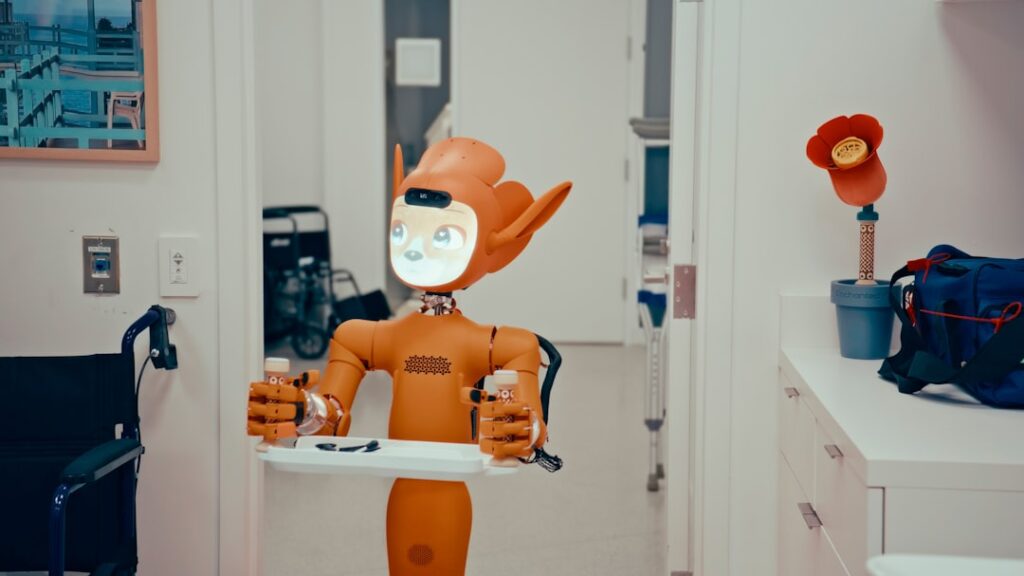
The intersection of robotics and healthcare is a rapidly developing field. Humanoid robots, designed to emulate human form and often human behavior, are progressively moving from research laboratories into practical applications within the medical domain. This shift represents a significant technological advancement, promising to reshape how healthcare services are delivered, from patient care and surgical assistance to logistical support and therapeutic interventions. Understanding this evolution requires an examination of the technological trajectory, current applications, and the challenges and ethical considerations inherent in integrating these sophisticated machines into such a sensitive sector.
Early Concepts and Foundations
The idea of intelligent machines assisting humans in healthcare is not new. Early conceptualizations, often found in science fiction, predate modern robotics by centuries. However, the practical development of humanoid robots tailored for medical use began in earnest with advancements in several key technological areas.
Foundations in Automation
The initial steps towards healthcare robotics were rooted in industrial automation. Robots designed for repetitive, precise tasks in manufacturing provided a blueprint for developing machines capable of performing surgical procedures or dispensing medication. These early robots were typically stationary and task-specific, lacking the human-like form and dexterity that characterize modern humanoids.
Emergence of AI and Machine Learning
The advent of artificial intelligence (AI) and machine learning (ML) algorithms proved pivotal. These technologies allowed robots to move beyond pre-programmed sequences, enabling them to interpret complex data, learn from interactions, and adapt to dynamic environments. For humanoid robots in healthcare, this meant the ability to recognize faces, understand speech, interpret patient emotional states, and ultimately, engage in more nuanced interactions.
Advances in Sensors and Actuators
Miniaturization and increased sophistication of sensors (e.g., vision systems, tactile sensors, haptic feedback) and actuators (motors that control movement) have been critical. These components provide humanoid robots with a greater understanding of their surroundings and the ability to perform delicate manipulations, which are essential for tasks like surgery or assisting frail patients.
In exploring the advancements in humanoid robots for healthcare, it is also insightful to consider the broader implications of robotics in various sectors. A related article that delves into the transformative impact of robotics across different industries can be found at this link. This resource provides a comprehensive overview of how robotics is revolutionizing not only healthcare but also manufacturing, logistics, and service industries, highlighting the interconnectedness of these technological developments.
Current Applications in Medical Settings
Humanoid robots are finding a diverse range of applications within healthcare, each leveraging their unique capabilities to address specific needs. These applications can be broadly categorized into assistance, therapy, and support roles.
Surgical Assistance
Robots like the Da Vinci Surgical System, while not strictly humanoid in form, represent a significant precedent for robotic integration into surgical procedures. Humanoid robots are now being developed with similar precision and dexterity, but with the added advantage of potentially operating within more confined spaces or even acting as surgical assistants that can anticipate needs based on observed surgeon behavior. Their multi-articulated arms and enhanced vision systems offer surgeons improved dexterity and minimally invasive access, acting as an extension of the human hand and eye. Future humanoid surgical robots may incorporate advanced AI to predict complications or suggest optimal pathways during complex operations.
Patient Support and Interaction
One of the most visible applications of humanoid robots is in direct patient support. These robots can perform various tasks that free up human staff for more complex duties.
Mobility and Assistance
Humanoid robots can assist patients with mobility, helping them stand, walk, or move between beds and wheelchairs. This reduces the physical strain on caregivers and minimizes the risk of injury for both patient and staff. Their ability to gently guide and support parallels the support a human caregiver offers, but with consistent strength and tireless availability.
Medication Management
Robots can be programmed to dispense medication at precise times, ensuring adherence to treatment schedules. They can also remind patients to take their medication, a valuable asset in managing chronic conditions or assisting elderly individuals with memory challenges. This function acts as a reliable, non-judgmental presence, reducing the potential for error inherent in manual systems.
Social and Emotional Support
For chronic patients, elderly individuals, or those in long-term care facilities, humanoid robots can offer companionship and social interaction. Robots equipped with natural language processing and expressive faces can engage in conversation, play games, and even detect signs of distress. While not replacing human interaction, they can supplement it, acting as a consistent presence that can alleviate loneliness and encourage engagement. This role is akin to a steadfast companion, offering structured interaction and a sense of presence.
Therapy and Rehabilitation
The structured, repetitive nature of many therapeutic exercises makes them ideal candidates for robotic assistance. Humanoid robots can be tailored to provide personalized rehabilitation programs.
Physical Rehabilitation
Robots can guide patients through physical exercises, ensuring correct form and providing real-time feedback. Their ability to deliver consistent force and repeat movements accurately is beneficial for patients recovering from strokes, injuries, or those with neurological conditions. This can accelerate recovery by ensuring adherence to prescribed routines and providing objective metrics of progress.
Cognitive Therapy
Some humanoid robots are being developed for cognitive therapy, engaging patients in puzzles, memory games, and interactive tasks designed to stimulate mental functions. Their patient, non-judgmental demeanor can be particularly effective for individuals with cognitive impairments, where traditional human interaction might sometimes be perceived as challenging.
Challenges and Limitations
Despite the promising advancements, the widespread implementation of humanoid robots in healthcare faces significant hurdles. These challenges are not merely technical but also societal, ethical, and economic.
Technical Hurdles
The current generation of humanoid robots, while sophisticated, still possesses limitations that impact their deployability in all healthcare scenarios.
Dexterity and Precision
While improving, the dexterity of robotic manipulators often still falls short of the nuanced movements of the human hand, particularly for micro-tasks or operations requiring highly sensitive tactile feedback. Achieving true human-level dexterity in a robotic platform remains an active area of research.
Autonomy and Adaptability
True autonomous operation in unpredictable healthcare environments is complex. Robots need to adapt to unexpected situations, navigate dynamic spaces with staff and patients, and interpret a wide range of human behaviors and emotional cues. Current AI, while advanced, often struggles with the breadth and depth of common-sense reasoning that humans possess.
Power and Battery Life
The energy requirements for complex humanoid movements and processing can limit operation time. Integrating robust power sources without compromising safety or form factor is an ongoing engineering challenge.
Societal and Ethical Concerns
The introduction of humanoid robots into intimate care settings raises profound questions that extend beyond technological capability.
Job Displacement
A primary concern is the potential for job displacement among healthcare workers. While robots are often framed as assistants, there is a legitimate fear that they may eventually render certain human roles redundant. Addressing this requires careful planning and a focus on reskilling human staff for roles that leverage uniquely human aptitudes.
Patient Acceptance and Trust
Patients may exhibit reluctance or discomfort interacting with robots, especially in sensitive situations. Building trust and ensuring patient comfort are paramount. This involves designing robots that are not only functional but also possess approachable aesthetics and user-friendly interfaces. The “uncanny valley” effect, where robots that are almost, but not quite, human-like can evoke feelings of revulsion, is a real design consideration.
Data Privacy and Security
Humanoid robots, especially those engaged in social interaction or medical monitoring, will collect vast amounts of sensitive patient data. Ensuring the privacy and security of this information is critical and requires robust regulatory frameworks and technological safeguards. A breach in this area could have severe consequences.
Liability
In scenarios where a robot makes an error leading to harm, determining liability (e.g., manufacturer, programmer, healthcare institution) becomes a complex legal and ethical quandary. Clear lines of responsibility are needed to navigate such situations.
Economic and Regulatory Considerations
The cost of developing, implementing, and maintaining humanoid robots is substantial. This presents a barrier to widespread adoption, particularly for institutions with limited budgets.
Cost of Acquisition and Maintenance
State-of-the-art humanoid robots are expensive. The initial capital outlay, coupled with ongoing maintenance, software updates, and potential repairs, can be prohibitive for many healthcare providers. Demonstrating a clear return on investment (ROI) is crucial for justifying these expenditures.
Regulatory Frameworks
Current regulatory frameworks for medical devices are not always well-suited to the unique properties of intelligent, autonomous humanoid robots. New guidelines are needed to ensure safety, efficacy, and ethical operation, addressing issues such as software validation, AI bias, and human-robot interaction protocols. This represents a new frontier for regulatory bodies, requiring adaptability and foresight.
The advancements in humanoid robots for healthcare are not only fascinating but also crucial for the future of medical assistance. A related article that delves deeper into the implications of these technologies can be found at this link, where you can explore how robotics is transforming patient care and rehabilitation. As we witness the Robotics Revolution, understanding these developments becomes essential for both healthcare professionals and patients alike.
The Road Ahead: Future Prospects
The trajectory of humanoid robots in healthcare points toward increasing sophistication and integration. The “Robotics Revolution” is not a singular event, but an ongoing process of refinement and adaptation.
Enhanced AI and Empathy
Future humanoid robots are expected to possess even more advanced AI, allowing for more nuanced understanding of human emotion and intent. The development of “emotional AI” could enable robots to respond with greater empathy, tailor interactions more effectively, and provide more personalized care. This could allow robots to move beyond functional assistance to genuinely enriching the patient experience.
Miniaturization and Swarm Robotics
The trend towards miniaturization will likely lead to smaller, more agile robots capable of performing highly specialized tasks within the body or in tight spaces. “Swarm robotics,” where multiple small robots collaborate on a task, could revolutionize internal diagnostics and drug delivery.
Hybrid Human-Robot Teams
The most probable future involves hybrid teams where humans and robots collaborate, each leveraging their unique strengths. Robots will handle repetitive, data-intensive, or physically demanding tasks, while humans focus on complex decision-making, interpersonal communication, and compassionate care. This synergy could create a more efficient, effective, and humane healthcare system. Imagine a doctor overseeing multiple robotic assistants, magnifying their reach and precision.
Personalized Healthcare Delivery
Humanoid robots could play a crucial role in delivering highly personalized healthcare. By continuously monitoring patient data, learning individual preferences, and adapting to changing conditions, these robots can provide bespoke care plans, from diet and exercise regimens to medication schedules and mental health support. This could shift the paradigm from reactive treatment to proactive wellness management.
The journey of humanoid robots in healthcare is a testament to human ingenuity and the relentless pursuit of improving the quality of life. As these machines evolve, their integration will undoubtedly continue to challenge established norms and push the boundaries of what is possible within the medical landscape. The “Robotics Revolution” is not just about technology; it’s about redefining care, extending human capabilities, and navigating the complex interplay between automation and empathy in the pursuit of a healthier future.