

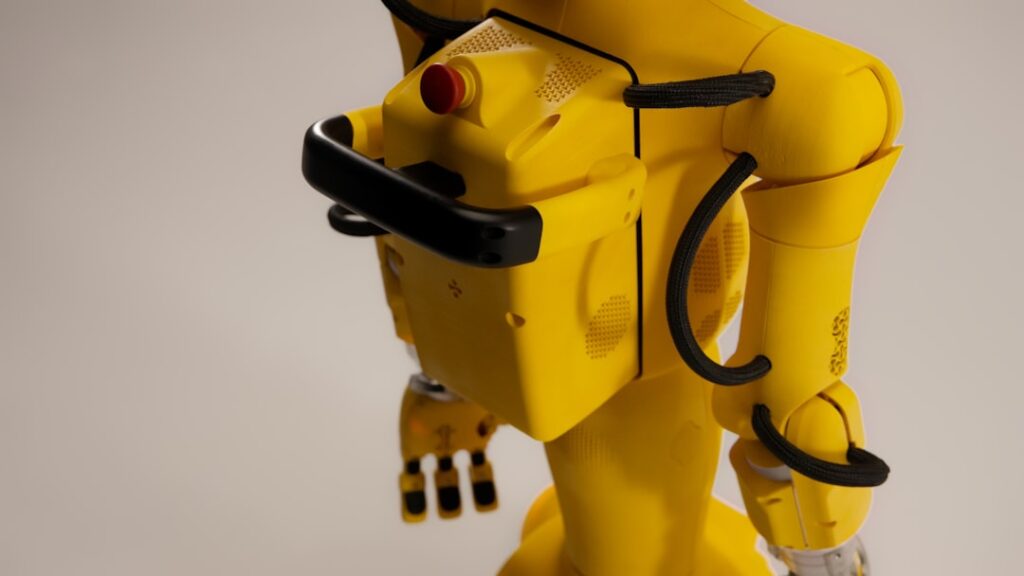
As you navigate through the rapidly evolving landscape of technology, you may find yourself increasingly intrigued by the emergence of humanoid robots in service industries. These robots, designed to mimic human appearance and behavior, are not just a figment of science fiction; they are becoming integral components of various sectors, including hospitality, healthcare, and retail. The allure of humanoid robots lies in their potential to enhance efficiency, improve customer experiences, and even alleviate labor shortages. As you delve deeper into this topic, you will discover how these machines are reshaping the way services are delivered and the implications of their integration into everyday life.
The rise of humanoid robots in service industries is a testament to human ingenuity and the relentless pursuit of innovation. You may wonder how these robots can perform tasks traditionally reserved for humans, such as greeting customers, providing information, or assisting with medical procedures. The answer lies in a combination of advanced engineering, artificial intelligence, and a growing understanding of human-robot interaction. As you explore this fascinating field, you will gain insights into the historical context, current applications, and future possibilities of humanoid robots in service industries.
In exploring the advancements in humanoid robots within service industries, it is essential to consider the broader implications of these technologies on workforce dynamics and customer interactions. A related article that delves into the impact of automation on employment and service quality can be found at this link. This article provides valuable insights into how the integration of humanoid robots is reshaping various sectors and the potential challenges and benefits that arise from this Robotics Revolution.
The History of Humanoid Robots and Their Evolution
To fully appreciate the role of humanoid robots today, it is essential to understand their historical development. The concept of humanoid robots dates back to ancient times, with myths and legends featuring mechanical beings designed to serve humans. However, the modern era of robotics began in the mid-20th century when pioneers like George Devol and Joseph Engelberger laid the groundwork for industrial automation. You might find it fascinating that the term “robot” itself was first coined by Czech writer Karel Čapek in his 1920 play “R.U.R.” (Rossum’s Universal Robots), which depicted artificial beings created to serve humanity.
As technology advanced, so did the capabilities of humanoid robots. In the 1970s and 1980s, researchers began developing robots that could walk and interact with their environment. You may be surprised to learn that one of the first humanoid robots was WABOT-1, created in Japan in 1973. This robot could communicate in Japanese and perform simple tasks like playing the piano. Over the years, significant milestones have been achieved, such as Honda’s ASIMO and Boston Dynamics’ Atlas, which showcased remarkable advancements in mobility and dexterity. The evolution of humanoid robots has been marked by a continuous quest for greater functionality and human-like interaction.
The Role of Humanoid Robots in Service Industries
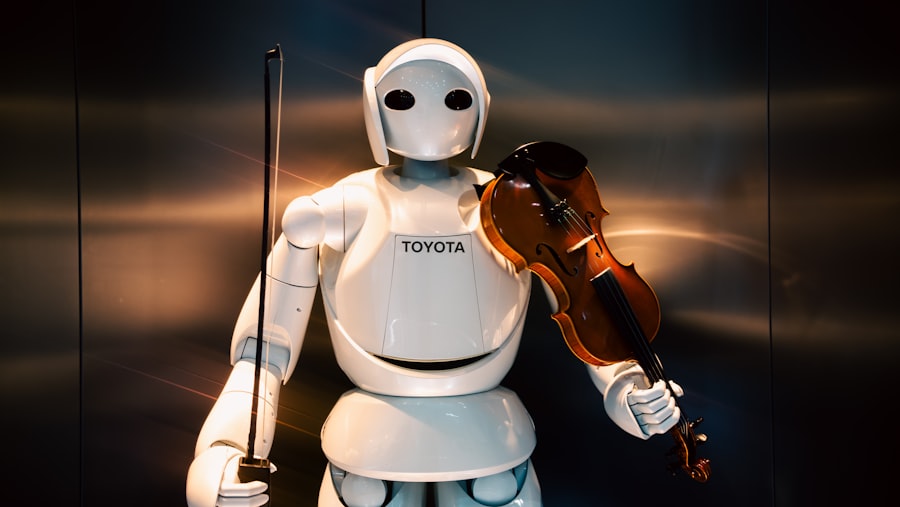
In today’s service industries, humanoid robots are taking on a variety of roles that enhance operational efficiency and customer engagement. You may encounter these robots in hotels where they serve as concierges, providing guests with information about local attractions or assisting with check-in processes. Their ability to communicate in multiple languages makes them particularly valuable in diverse environments where customer interaction is key. Imagine walking into a hotel lobby and being greeted by a friendly robot that not only welcomes you but also offers personalized recommendations based on your preferences.
In healthcare settings, humanoid robots are proving to be invaluable companions for patients and staff alike. You might find them assisting nurses with routine tasks or providing companionship to elderly patients who may feel isolated. These robots can help monitor vital signs or remind patients to take their medications, thereby improving overall care quality. As you consider the implications of these roles, it becomes clear that humanoid robots are not merely tools; they are becoming integral members of service teams that enhance human capabilities.
Advantages and Disadvantages of Using Humanoid Robots in Service Industries
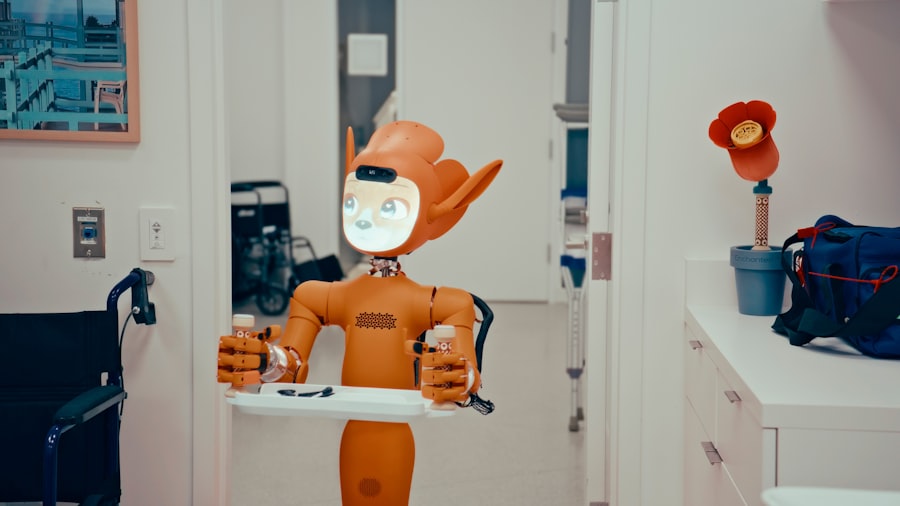
The integration of humanoid robots into service industries brings with it a host of advantages that can significantly improve operational efficiency. One of the most notable benefits is their ability to work around the clock without fatigue. You may appreciate how this can lead to increased productivity and reduced labor costs for businesses. Additionally, humanoid robots can provide consistent service quality, ensuring that customers receive the same level of attention and care regardless of the time or day.
However, there are also disadvantages to consider when implementing humanoid robots in service industries. One major concern is the potential for job displacement among human workers. As you reflect on this issue, you might recognize that while robots can take over repetitive tasks, they cannot replicate the emotional intelligence and empathy that humans bring to customer interactions. Furthermore, there are concerns about the initial costs associated with developing and deploying these technologies, which can be prohibitive for smaller businesses. Balancing the benefits and drawbacks is crucial as industries navigate this new landscape.
In exploring the advancements in humanoid robots within service industries, it is interesting to consider how these innovations are reshaping customer interactions and operational efficiency. A related article discusses the implications of robotic automation in various sectors, highlighting both the benefits and challenges that arise with increased reliance on technology. For more insights, you can read the full article here. This resource provides a comprehensive overview of the current trends and future possibilities in the realm of robotics.
The Impact of Humanoid Robots on the Labor Force
| Robot Name | Industry | Function | Year Introduced |
|---|---|---|---|
| Pepper | Retail | Customer service | 2014 |
| NAO | Education | Teaching and research | 2006 |
| Tally | Retail | Inventory management | 2015 |
| Sophia | Entertainment | Interactive AI | 2016 |
As humanoid robots become more prevalent in service industries, their impact on the labor force is a topic of considerable debate. You may find it concerning that automation could lead to job losses in certain sectors, particularly those involving routine tasks that can be easily performed by machines. For instance, roles such as cashiers or receptionists may be at risk as businesses opt for robotic solutions that can operate more efficiently and at a lower cost.
On the other hand, you might also consider that the rise of humanoid robots could create new job opportunities in areas such as robot maintenance, programming, and oversight. As industries adapt to this technological shift, there will be a growing demand for skilled workers who can manage and collaborate with these advanced systems. The challenge lies in ensuring that workers are equipped with the necessary skills to thrive in an increasingly automated environment. As you ponder these dynamics, it becomes evident that the future labor market will require a delicate balance between embracing innovation and safeguarding employment opportunities.
In exploring the advancements in humanoid robots within service industries, one can also consider the implications of artificial intelligence on customer interactions. A related article discusses how AI technologies are reshaping the landscape of service delivery, enhancing efficiency and personalization. For more insights on this topic, you can read the article on AI in Service Industries. This connection highlights the broader context of how robotics and AI are converging to transform customer experiences across various sectors.
The Ethical and Social Implications of Humanoid Robots in Service Industries
The introduction of humanoid robots into service industries raises important ethical and social questions that warrant careful consideration. You may find yourself grappling with issues related to privacy, security, and the potential for bias in robotic decision-making processes. For instance, as humanoid robots collect data on customer interactions to improve service delivery, concerns about data privacy become paramount. How can businesses ensure that they are handling personal information responsibly while still leveraging technology for better outcomes?
Moreover, there is a growing discourse around the social implications of relying on robots for tasks traditionally performed by humans. You might reflect on how this shift could affect interpersonal relationships and community dynamics. As humanoid robots take on roles such as caregivers or companions, questions arise about the quality of human connection and emotional support that can be provided by machines. Striking a balance between technological advancement and maintaining meaningful human interactions is essential as society navigates this new frontier.
Current and Future Applications of Humanoid Robots in Service Industries
Currently, humanoid robots are being deployed across various service industries with remarkable success stories emerging from each sector. In retail environments, you may have encountered robots designed to assist customers by providing product information or guiding them through stores. These robots not only enhance customer experiences but also gather valuable data on shopping behaviors that can inform business strategies.
Looking ahead, the future applications of humanoid robots appear even more promising. You might envision scenarios where these robots become commonplace in restaurants, taking orders and delivering food directly to tables while providing an engaging dining experience. In healthcare settings, advancements could lead to more sophisticated robots capable of performing complex medical procedures under human supervision or even offering telehealth services to patients in remote areas. As you consider these possibilities, it becomes clear that the potential for innovation is vast and largely untapped.
The Technological Advances Driving the Robotics Revolution
The rapid advancement of technology is a key driver behind the robotics revolution you are witnessing today. Breakthroughs in artificial intelligence (AI), machine learning, and sensor technology have significantly enhanced the capabilities of humanoid robots. You may be intrigued by how AI enables these machines to learn from their interactions with humans and adapt their responses accordingly, creating more personalized experiences.
Additionally, improvements in robotics hardware have led to more agile and versatile designs that allow humanoid robots to navigate complex environments with ease. Innovations such as advanced computer vision systems enable these robots to recognize faces and interpret gestures, further bridging the gap between human and machine interaction. As you explore these technological advancements, it becomes evident that they are not only transforming service industries but also redefining our understanding of what robots can achieve.
Challenges and Limitations of Humanoid Robots in Service Industries
Despite their many advantages, humanoid robots face several challenges and limitations that must be addressed for widespread adoption in service industries. One significant hurdle is the high cost associated with developing and deploying these advanced systems. You may find it concerning that many small businesses may struggle to justify the investment required for robotic solutions when weighed against potential returns.
Moreover, there are technical limitations related to human-robot interaction that need further refinement. While humanoid robots have made great strides in mimicking human behavior, they still lack the nuanced understanding required for complex social interactions. You might consider how this limitation could impact customer satisfaction if a robot fails to respond appropriately in certain situations. Addressing these challenges will be crucial for ensuring that humanoid robots can effectively complement human workers rather than replace them.
The Integration of Artificial Intelligence and Humanoid Robots
The integration of artificial intelligence (AI) into humanoid robots represents a significant leap forward in their capabilities and applications within service industries. You may be fascinated by how AI allows these machines to process vast amounts of data quickly and make informed decisions based on real-time information. This capability enhances their ability to interact with customers more effectively by providing tailored responses based on individual preferences.
Furthermore, AI-driven analytics enable businesses to gain insights into customer behavior patterns that were previously difficult to discern. As you consider this integration, it becomes clear that AI not only enhances the functionality of humanoid robots but also empowers businesses to make data-driven decisions that improve overall service quality. The synergy between AI and robotics is paving the way for a new era where machines can work alongside humans seamlessly.
The Future of Humanoid Robots in Service Industries
As you reflect on the journey through the world of humanoid robots in service industries, it becomes evident that their future holds immense potential for transformation across various sectors. From enhancing customer experiences to addressing labor shortages, these machines are poised to play an increasingly vital role in shaping how services are delivered. However, navigating the challenges associated with their integration will require careful consideration of ethical implications and workforce dynamics.
Looking ahead, you might envision a future where humanoid robots become commonplace fixtures in our daily lives—offering assistance in homes, workplaces, and public spaces alike. As technology continues to advance at an unprecedented pace, it is essential for society to embrace innovation while remaining mindful of its impact on human relationships and employment opportunities. Ultimately, the future of humanoid robots in service industries will depend on our ability to harness their capabilities responsibly while fostering an environment where humans and machines can coexist harmoniously.