

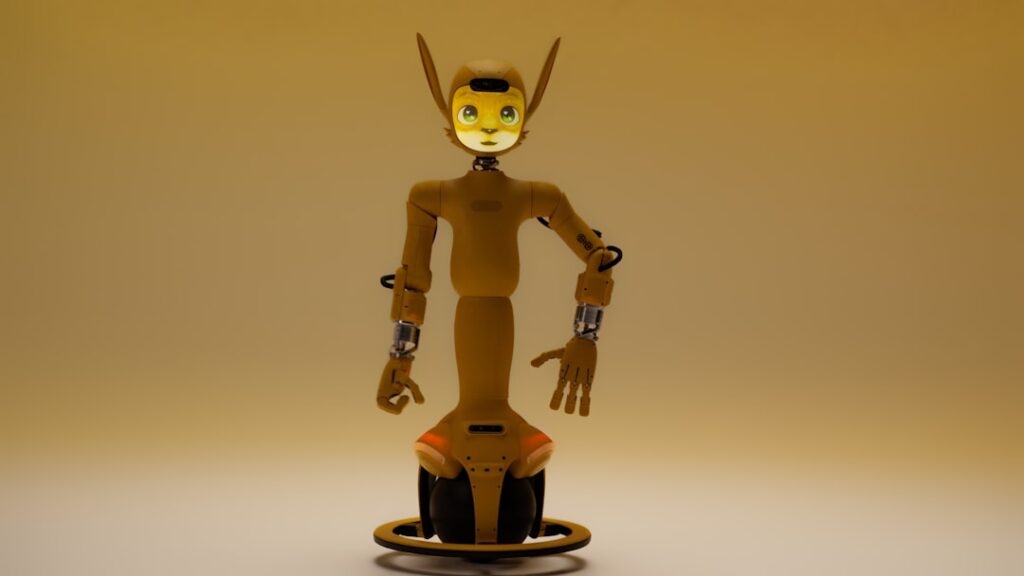
The “Robotics Revolution: The Rise of Humanoid Robots for Service” marks a significant shift in the integration of artificial intelligence and mechanical engineering into daily life. This article explores the development, applications, and societal implications of humanoid robots designed for service roles. These machines, often designed to resemble the human form, are moving beyond industrial settings and into environments where direct interaction with people is paramount. This transition is not without its challenges, but the potential benefits are driving continued investment and research.
The term “humanoid robot” itself refers to robots that possess a body plan or human-like shape and appearance, often including a torso, head, two arms, and two legs. While early robots were primarily industrial tools, the focus on service robotics, particularly those with humanoid characteristics, represents a deliberate effort to bridge the gap between machine capability and human interaction. This pursuit is akin to crafting a finely tuned instrument, where each component – from its delicate sensors to its robust actuators – must be harmoniously integrated for effective performance.
<
To understand the current surge in humanoid service robots, it’s crucial to examine their genesis. The concept is not a modern invention, but rather a progression of ideas and technological advancements spanning decades. Early explorations into automatons and artificial beings have long captured the human imagination, appearing in mythology and early mechanical marvels.
The Dawn of Automata
The fascination with creating artificial life predates modern robotics by centuries. Ancient Greek myths, such as those of Talos and Pygmalion’s Galatea, illustrate a long-held desire to imbue inanimate objects with life-like qualities. Later, during the Renaissance, inventors like Leonardo da Vinci sketched designs for mechanical knights and other figures that hinted at the possibility of automated movement, though these remained largely conceptual.
Mid-20th Century: Foundations of Modern Robotics
The mid-20th century witnessed the emergence of foundational technologies that would ultimately enable the creation of functional robots. The development of servomechanisms, electronic control systems, and early computer programming laid the groundwork. This period saw the creation of early industrial robots, such as Unimate, developed by George Devol and Joseph Engelberger. While not humanoid, these machines demonstrated the potential for automated manipulation and assembly in manufacturing.
The “Robotics” Term and Early Humanoid Research
The term “robotics” itself was coined by science fiction author Isaac Asimov. His “Three Laws of Robotics,” though fictional, influenced the ethical considerations surrounding artificial intelligence and automation. Concurrently, academic and research institutions began to explore the creation of robots with human-like form factors. Early examples, often developed for research purposes, focused on fundamental locomotion and manipulation challenges. These were akin to learning to walk before you can run – mastering basic movements was the priority.
Emergence of Key Humanoid Platforms
The late 20th and early 21st centuries saw the development of increasingly sophisticated humanoid robot platforms. Projects like ASIMO (Advanced Step in Innovative Mobility) by Honda, introduced in 2000, represented a significant leap forward in bipedal locomotion and interaction capabilities. ASIMO could walk, run, climb stairs, and even interact with objects, demonstrating a tangible progress towards fulfilling the vision of a functional humanoid robot. These early platforms served as crucial testbeds, revealing the complex interplay between sensing, processing, and actuation.
In the context of the ongoing advancements in robotics, a related article titled “The Future of Service Robotics: Innovations and Implications” delves deeper into the technological breakthroughs that are shaping the service industry. This piece explores how humanoid robots are not only enhancing efficiency but also transforming customer interactions across various sectors. For more insights, you can read the article here: The Future of Service Robotics: Innovations and Implications.
Developing the Humanoid Form: Design and Engineering Challenges
<
The creation of a functional humanoid robot involves navigating a complex landscape of engineering and design challenges. Replicating the agility, dexterity, and sensory perception of a human body is a monumental undertaking. Each aspect of the design, from the skeletal structure to the sensory arrays, must be meticulously engineered.
Biomechanics and Locomotion
One of the most significant hurdles is achieving stable and efficient bipedal locomotion. Unlike wheeled robots, which rely on a constant point of contact, humanoid robots must constantly balance and adjust their center of gravity. This requires sophisticated control algorithms and precise actuator coordination. The human leg, with its intricate network of muscles, tendons, and joints, is a marvel of biological engineering, and replicating its smooth, adaptive movement in a machine is a continuous process of innovation. Researchers are exploring various approaches, including dynamic balancing techniques and proactive gait generation, to overcome these challenges.
Balancing and Stability Control
Maintaining balance is a fundamental requirement for any bipedal robot. Deviations can lead to falls, which can damage the robot and pose a risk to nearby humans. Advanced control systems, often employing inertial measurement units (IMUs) and sophisticated algorithms, are used to detect and correct imbalances in real-time. This is akin to the subtle adjustments a tightrope walker makes, a constant negotiation with the forces of gravity.
Dexterous Manipulation and Grasping
Beyond locomotion, the ability to interact with the physical world through manipulation and grasping is crucial for service roles. Human hands are incredibly versatile, capable of performing delicate tasks and exerting significant force. Developing robotic hands with similar dexterity, including the ability to adapt to different object shapes and textures, is a particularly challenging area of research. This involves creating advanced end-effectors and incorporating tactile sensing to provide feedback on grip strength and object properties.
Sensory Perception and Environmental Understanding
Humanoid robots must be able to perceive and understand their environment to navigate and perform tasks effectively. This involves integrating a suite of sensors, such as cameras, depth sensors, microphones, and tactile sensors, to gather information about their surroundings. The challenge lies not only in acquiring this data but also in processing and interpreting it in real-time to make informed decisions.
Computer Vision and Object Recognition
For a robot to operate in human environments, it needs to “see” and understand what it’s looking at. Computer vision algorithms allow robots to identify objects, recognize faces, and interpret their surroundings. This is like giving the robot an artificial set of eyes that can learn and differentiate.
Auditory Processing and Speech Recognition
In service roles, the ability to understand human speech and respond appropriately is essential. This requires advanced speech recognition and natural language processing capabilities. The robot needs to not only hear the words but also comprehend their meaning and intent.
Haptic Feedback and Tactile Sensing
Incorporating tactile sensing allows robots to feel their interactions with objects and the environment. This is vital for tasks requiring fine motor control and for understanding the physical properties of objects, such as texture and temperature.
Powering and Energy Efficiency
Operating complex humanoid robots for extended periods presents significant power challenges. Batteries often have limited capacity, and recharging can disrupt operations. Developing more energy-efficient designs and exploring alternative power sources are ongoing areas of research. This is the perpetual quest for endurance, ensuring the robot can be a reliable presence, much like a well-maintained engine.
Applications in the Service Sector: Beyond the Factory Floor
<
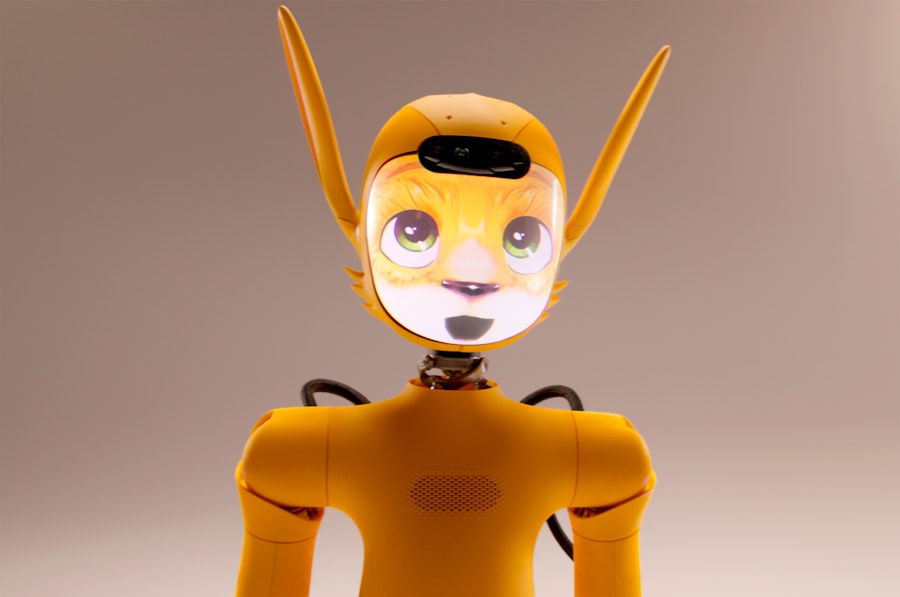
The transition of humanoid robots into the service sector signifies a departure from their traditional industrial roles. These machines are being designed to augment human capabilities and provide support in areas where human interaction and a degree of autonomy are beneficial. The range of potential applications is broad and continues to expand as the technology matures.
Healthcare and Eldercare
The aging global population presents a growing demand for caregiving services. Humanoid robots are being explored as assistive devices in healthcare settings and for eldercare. They can assist with tasks such as medication reminders, mobility support, and companionship, potentially alleviating the burden on human caregivers. The hope is to provide a consistent and patient presence, offering basic support and alleviating loneliness.
Assisting with Daily Living Activities
Robots can help individuals with tasks such as retrieving items, opening doors, and providing reminders for meals or appointments. This assistive role aims to promote independence for those with physical limitations.
Companionship and Social Interaction
For individuals experiencing loneliness or social isolation, humanoid robots can offer a form of companionship. While not a replacement for human connection, they can provide conversation and engage in simple activities, offering a sense of presence.
Hospitality and Retail
In hotels and retail environments, humanoid robots can enhance customer experiences. They can act as information kiosks, guide visitors, assist with inventory management, and even perform some customer service interactions. This is about streamlining operations and providing novel customer touchpoints.
Information and Navigation Services
Robots can greet customers, provide directions, answer frequently asked questions, and offer product information, freeing up human staff for more complex interactions.
Enhanced Customer Engagement
Some robots are designed to be interactive and engaging, offering a novel way for customers to experience a brand or learn about products. This can be particularly effective in creating memorable experiences.
Education and Training
Humanoid robots can serve as educational tools, particularly in STEM fields. They can demonstrate scientific principles, facilitate interactive learning experiences, and even provide personalized tutoring.
Interactive Learning Tools
Robots can make abstract concepts more tangible and engaging for students, offering hands-on learning opportunities.
Personalized Tutoring and Skill Development
In certain contexts, robots can be programmed to provide individualized instruction and feedback, adapting to a student’s learning pace.
Logistics and Delivery
While not always strictly “humanoid” in appearance for these roles, the underlying robotic technology is being adapted for delivery services. Compact, mobile robots are being tested for last-mile deliveries, navigating sidewalks and interacting with the urban environment.
Autonomous Navigation in Public Spaces
These robots need to safely navigate complex and unpredictable public environments, interacting with pedestrians, traffic, and other obstacles.
Package Handling and Secure Delivery
Ensuring the secure and efficient transfer of packages to recipients is a key aspect of these applications.
Societal and Ethical Considerations: Navigating the Uncharted Territory

<
The increasing presence of humanoid robots in service roles brings with it a host of societal and ethical considerations that require careful examination. As these machines become more integrated into our lives, understanding their impact on employment, human interaction, and societal values is paramount. This is like charting a course through uncharted waters, where the destination is not entirely clear and potential hazards must be anticipated.
The Future of Work and Employment
One of the most significant concerns surrounding automation is its potential impact on employment. As robots become more capable of performing tasks traditionally done by humans, questions arise about job displacement and the need for workforce adaptation. This is a dynamic equilibrium, where new jobs may emerge to support and manage these technologies, while others may diminish.
Skills Gap and Retraining Initiatives
The shift towards an automated workforce necessitates a focus on developing new skills. Educational institutions and governments will likely need to implement robust retraining programs to equip individuals for roles in robot maintenance, programming, and human-robot collaboration.
The Nature of Human Labor
The introduction of robots could redefine what constitutes human labor. Roles emphasizing creativity, complex problem-solving, and emotional intelligence may become more valued, as these are areas where human capabilities currently surpass those of machines.
Human-Robot Interaction and Social Acceptance
The way humans interact with humanoid robots will significantly influence their adoption and perceived role in society. Concerns about the erosion of genuine human connection and the potential for over-reliance on artificial interaction are valid.
The Uncanny Valley
The “uncanny valley” is a concept in aesthetics that suggests that when robots appear almost, but not exactly, like real human beings, they may cause feelings of revulsion. Designers are working to navigate this delicate balance, aiming for functionality and approachability without inducing discomfort.
Building Trust and Transparency
For robots to be effectively integrated into service roles, they must earn the trust of the people they serve. Transparency in their capabilities, limitations, and decision-making processes will be crucial for fostering acceptance.
Privacy and Data Security
Humanoid robots, equipped with sensors and AI, collect vast amounts of data about their environment and the people they interact with. Ensuring the privacy and security of this data is a critical ethical imperative. This is like safeguarding a sensitive ledger, where the information contained within must be protected.
Data Collection and Usage Policies
Clear policies regarding what data is collected, how it is used, and who has access to it are necessary to protect individual privacy.
Cybersecurity Measures
Robust cybersecurity measures are essential to prevent unauthorized access to robot systems and the sensitive data they hold.
Moral Agency and Accountability
As robots become more autonomous, questions of moral agency and accountability arise, particularly in situations where errors or harm occur. Determining who is responsible – the programmer, the manufacturer, or the robot itself – is a complex legal and ethical challenge.
Legal Frameworks for AI and Robotics
The development of new legal frameworks will be necessary to address the unique challenges posed by autonomous systems and to establish lines of accountability.
The Role of Ethics in Design
Ethical considerations must be embedded in the design and development process from the outset, guiding the creation of robots that operate safely and responsibly.
The advancements in humanoid robots for service roles have sparked significant interest in various industries, as highlighted in a related article discussing the implications of this technology on the workforce. As businesses increasingly adopt these robots to enhance efficiency and customer interaction, it is essential to consider the broader impact on employment and societal norms. For more insights on this topic, you can read the article here.
The Road Ahead: Future Trends and Innovations
| Metric | Value | Unit | Description |
|---|---|---|---|
| Global Humanoid Robot Market Size | 4.5 | Billion | Market value projected for 2024 |
| Annual Growth Rate | 22 | Percent | Compound annual growth rate (CAGR) from 2020 to 2024 |
| Average Service Robot Speed | 1.2 | m/s | Typical walking speed of humanoid service robots |
| Battery Life | 8 | Hours | Average operational time before recharge |
| Payload Capacity | 10 | kg | Maximum weight humanoid robots can carry |
| Number of Service Robots Deployed Globally | 150,000 | Units | Estimated units in active service as of 2024 |
| Customer Satisfaction Rate | 87 | Percent | Average satisfaction rate reported by users |
| Top Application Sector | Healthcare | N/A | Leading industry adopting humanoid service robots |
<
The field of humanoid robotics for service is in a constant state of evolution, driven by ongoing research and technological advancements. The trajectory suggests a future where these machines will become increasingly sophisticated, capable, and integrated into the fabric of our daily lives. Predicting the future is like looking through a multifaceted lens; the possibilities are numerous and the clarity is dependent on the angle.
Enhanced AI and Cognitive Capabilities
Future humanoid robots will likely possess more advanced artificial intelligence, enabling them to understand context, learn from experience, and make more nuanced decisions. This will empower them to handle a wider range of complex tasks and interactions.
Machine Learning and Adaptation
The ability for robots to learn and adapt to new situations and user preferences will be a key driver of their utility. This will allow them to become more personalized and responsive assistants.
Emotional Intelligence and Empathy Simulation
While true emotional intelligence remains a distant goal, researchers are exploring ways to simulate empathy and emotional responsiveness in robots. This could enhance their ability to connect with humans on a deeper level in caregiving and companionship roles.
Improved Dexterity and Physical Capabilities
Continued advancements in materials science, actuator technology, and control systems will lead to humanoid robots with greater dexterity, strength, and agility. This will expand their capacity for physical tasks in various service environments.
Soft Robotics and Compliant Actuators
The development of soft robotics and compliant actuators will allow robots to interact more safely and gently with humans and delicate objects. This addresses some of the safety concerns associated with rigid robotic components.
Swarm Robotics and Collaborative Systems
The integration of humanoid robots into swarms or collaborative systems could enable them to work together to achieve complex goals, offering synergistic capabilities.
Miniaturization and Increased Affordability
As the technology matures and production scales increase, humanoid robots are expected to become smaller, more energy-efficient, and more affordable, making them accessible for a wider range of applications and consumers.
Democratization of Robotics
The decreasing cost of advanced robotic components and platforms could lead to the democratization of robotics, enabling smaller businesses and individuals to utilize these technologies.
Ubiquitous Integration
As robots become more commonplace and integrated into smart homes, workplaces, and public spaces, their presence will become less of a novelty and more of a seamless part of the environment.
Human-Robot Collaboration Paradigms
The future will likely see a greater emphasis on human-robot collaboration, where robots and humans work together in complementary roles, each leveraging their unique strengths. This is about partnership, not replacement.
Co-creation and Co-working Spaces
Robots could become integral members of work teams, assisting with tasks, providing data analysis, and enhancing productivity in collaborative environments.
Augmented Humanity
Ultimately, the goal of humanoid service robots is not to replace humans but to augment human capabilities, enabling individuals to achieve more and improving the overall quality of life. This is a vision of a future where technology serves to elevate human potential.