

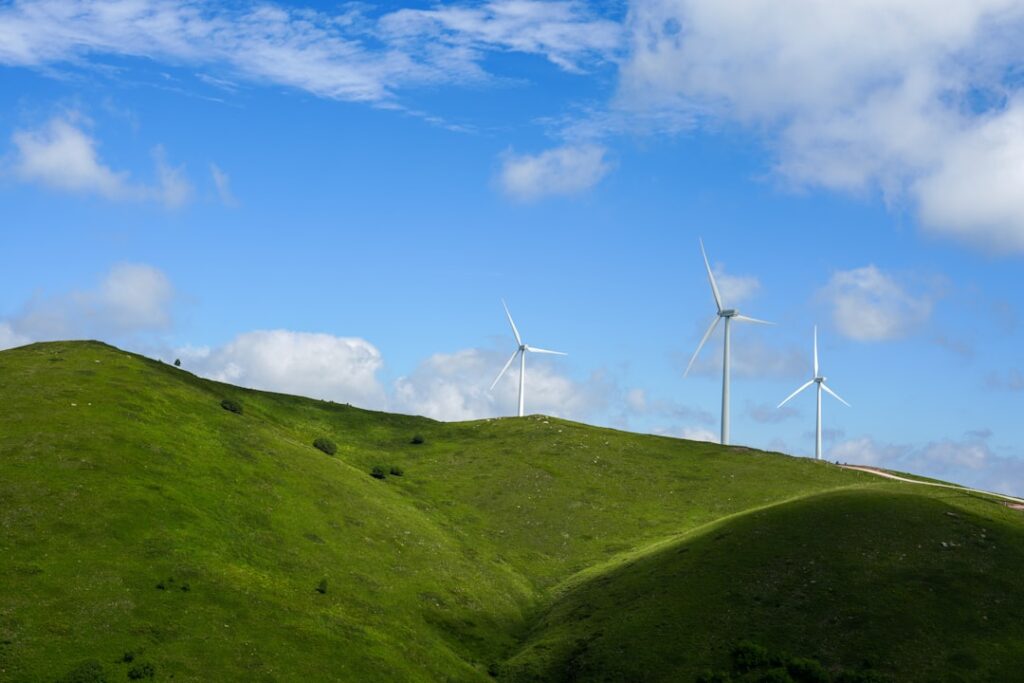
The integration of renewable energy sources into existing power grids presents a complex challenge. While solar and wind power offer significant environmental benefits and a path towards decarbonization, their inherent intermittency requires sophisticated management to ensure grid stability and reliability. This article explores how predictive machine learning (ML) can serve as a crucial component in balancing these dynamic renewable energy grids.
The global push for sustainability has accelerated the adoption of renewable energy technologies. Solar photovoltaic (PV) systems and wind turbines are increasingly becoming a significant portion of the electricity generation mix. However, this shift is not without its hurdles. Unlike traditional fossil fuel power plants that can be ramped up or down with relative ease to meet demand, renewable sources are subject to environmental variables. Sunshine is not constant, and wind speeds fluctuate. This variability, if not managed effectively, can lead to issues such as voltage instability, frequency deviations, and even blackouts.
The Imperative of Grid Modernization
The existing electricity grid, largely designed for centralized, predictable power generation, is undergoing a transformation. This evolution, often termed the “smart grid,” aims to incorporate advanced technologies to monitor, manage, and optimize the flow of electricity. The integration of distributed renewable energy sources, coupled with the increasing demand for electricity driven by electrification of sectors like transportation and heating, necessitates a more agile and intelligent grid infrastructure.
Challenges of Intermittency and Variability
- Weather Dependence: Solar power output is directly correlated with sunlight intensity, which is affected by cloud cover, time of day, and season. Wind power generation is similarly dependent on wind speed and direction.
- Supply-Demand Mismatch: The unpredictable nature of renewable generation can lead to periods where supply exceeds demand, potentially causing grid strain, or periods where demand outstrips renewable supply, requiring backup generation.
- Grid Stability Concerns: Rapid changes in renewable energy output can impact grid frequency and voltage stability, which are critical for the reliable operation of electrical equipment.
The Role of Energy Storage
Energy storage systems are a vital piece of the renewable energy puzzle. Batteries, pumped hydro storage, and other technologies can absorb excess renewable energy when it is abundant and discharge it when generation is low. However, the economics and scalability of these solutions are still evolving, and they represent a significant capital investment. While storage is crucial, it is not a silver bullet; intelligent management of both generation and demand is also required.
In exploring the intersection of technology and sustainability, a related article titled “Innovative Approaches to Energy Management” delves into various strategies for optimizing energy consumption and integrating renewable sources into existing grids. This piece complements the discussion on Sustainable Tech Solutions: Balancing Renewable Energy Grids with Predictive ML by highlighting the importance of advanced analytics and machine learning in enhancing energy efficiency. For further insights, you can read the article here: Innovative Approaches to Energy Management.
Predictive Machine Learning: A New Paradigm for Grid Management
Machine learning, a subdomain of artificial intelligence, offers powerful tools for analyzing vast amounts of data and identifying complex patterns. In the context of energy grids, predictive ML models can forecast various parameters with a high degree of accuracy, enabling proactive decision-making and optimizing grid operations.
Forecasting Renewable Energy Generation
One of the most significant applications of predictive ML in renewable energy is the forecasting of generation from solar and wind farms. By analyzing historical weather data, real-time meteorological information (satellite imagery, Doppler radar), and the physical characteristics of the generation assets, ML models can predict future energy output. This allows grid operators to anticipate periods of high and low renewable generation.
Key Data Inputs for Generation Forecasting
- Historical Weather Data: Past temperature, precipitation, cloud cover, wind speed, and direction records.
- Real-Time Meteorological Data: Satellite imagery, weather radar data, ground-level sensor readings.
- Geospatial Information: Location and orientation of solar panels, wind turbine characteristics.
- Operational Data: Turbine status, inverter performance, transformer loads.
Demand-Side Forecasting
Predicting electricity consumption is equally critical. ML models can forecast demand at various granularities, from individual households to entire regions. This forecasting considers factors such as time of day, day of the week, temperature, economic activity, and even special events. Accurate demand forecasting allows grid operators to match available supply with anticipated needs, reducing the risk of supply shortages or oversupply.
Factors Influencing Electricity Demand
- Time-Based Patterns: Daily, weekly, and seasonal consumption cycles.
- Environmental Factors: Temperature (heating and cooling loads), solar irradiance (impact on smart thermostats).
- Economic Activity: Industrial production, commercial operations, office building occupancy.
- Social Factors: Public holidays, major sporting events, consumer behavior trends.
- Electrification Trends: Increased adoption of electric vehicles, heat pumps, and other electric appliances.
Optimizing Grid Operations with Predictive Insights
The insights gleaned from predictive ML models are not merely for observation; they are actionable intelligence that can steer grid operations towards greater efficiency and stability. By anticipating future conditions, operators can make informed decisions that minimize waste, reduce reliance on fossil fuel peaker plants, and enhance the overall resilience of the grid.
Real-Time Grid Balancing and Control
When ML models predict a surplus of renewable energy, grid operators can proactively deploy strategies to absorb this excess. This might involve charging energy storage systems, dispatching controllable loads (such as electric vehicle chargers that can delay charging), or even temporarily curtailing renewable generation if storage and load management are insufficient. Conversely, when a deficit is predicted, operators can ramp up dispatchable generation sources (including stored energy) or adjust demand to bridge the gap.
Strategies for Grid Balancing
- Energy Storage Deployment: Charging batteries during periods of high renewable generation and discharging during periods of low generation.
- Demand Response Programs: Incentivizing consumers to reduce their electricity consumption during peak demand periods.
- Virtual Power Plants (VPPs): Aggregating distributed energy resources (such as rooftop solar and home batteries) to act as a single, dispatchable power source.
- Curtailment (as a last resort): Intentionally reducing the output of renewable energy sources when supply significantly exceeds demand and other mitigation strategies are exhausted.
Predictive Maintenance of Infrastructure
Beyond generation and demand forecasting, ML can be applied to the maintenance of grid infrastructure. By analyzing sensor data from transformers, power lines, and substations, ML models can predict potential equipment failures before they occur. This allows for scheduled maintenance, preventing costly outages and extending the lifespan of critical assets. This proactive approach is like a doctor monitoring vital signs to predict a heart attack before it happens, rather than just reacting to it when it strikes.
Benefits of Predictive Maintenance
- Reduced Unplanned Outages: Preventing failures that cause disruptions to electricity supply.
- Optimized Maintenance Schedules: Performing maintenance only when needed, reducing unnecessary costs.
- Extended Equipment Lifespan: Addressing issues early can prevent cascading damage.
- Enhanced Safety: Identifying potential hazards before they lead to accidents.
Addressing the Challenges of ML Integration
While the potential of predictive ML for renewable energy grids is immense, its successful implementation is not without challenges. These involve the quality and accessibility of data, the computational resources required, and the need for skilled personnel.
Data Quality and Accessibility
The accuracy of ML models is heavily dependent on the quality and volume of data they are trained on. In the energy sector, data can be siloed across different utilities, grid operators, and equipment manufacturers. Ensuring consistent data formats, addressing data gaps, and establishing robust data governance frameworks are crucial. Imagine trying to build a detailed map with incomplete and smudged pieces of paper – the resulting map will inevitably be flawed.
Key Data Challenges
- Data Silos: Information scattered across multiple, disconnected systems.
- Lack of Standardization: Inconsistent data formats and reporting conventions.
- Data Privacy and Security: Ensuring sensitive grid operational data is protected.
- Real-Time Data Feeds: The need for continuous streams of up-to-date information.
Computational Power and Model Sophistication
Training and deploying complex ML models, especially those that operate in real-time, require significant computational resources. This can include powerful servers, specialized hardware like GPUs (Graphics Processing Units), and cloud computing infrastructure. Furthermore, the models themselves can become quite sophisticated, requiring ongoing refinement and validation.
Requirements for ML Deployment
- High-Performance Computing (HPC): Access to powerful processors for model training and inference.
- Cloud Infrastructure: Scalable and flexible computing resources.
- Edge Computing: Processing data closer to the source for faster responses.
- Algorithm Development and Tuning: Continuous improvement of ML models.
Cybersecurity and Ethical Considerations
As grids become more digitized and reliant on ML, they also become more vulnerable to cyber threats. Securing these systems from malicious attacks is paramount to prevent disruptions. Additionally, ethical considerations surrounding data usage, algorithmic bias, and transparency in decision-making must be addressed to ensure equitable and responsible deployment of ML technologies.
Cybersecurity and Ethical Imperatives
- Vulnerability to Cyberattacks: Securing ML algorithms and data infrastructure from unauthorized access.
- Algorithmic Bias: Ensuring ML models do not perpetuate or create unfair outcomes across different demographics.
- Transparency and Explainability: Understanding how ML models arrive at their decisions.
- Data Governance and Privacy: Responsible collection, storage, and use of sensitive data.
In exploring the innovative approaches to Sustainable Tech Solutions, one can find valuable insights in the article on balancing renewable energy grids with predictive machine learning. This piece delves into how advanced algorithms can optimize energy distribution and enhance grid stability. For those interested in further enhancing their understanding of sustainable practices, the membership plans available at Brainng offer a wealth of resources and tools designed to support eco-friendly initiatives.
The Future of Smart Grids Powered by Machine Learning
| Metric | Description | Value | Unit | Source |
|---|---|---|---|---|
| Renewable Energy Penetration | Percentage of total grid energy supplied by renewable sources | 45 | % | National Grid Report 2023 |
| Prediction Accuracy of ML Models | Accuracy in forecasting energy demand and supply fluctuations | 92 | % | Energy AI Journal 2024 |
| Grid Stability Improvement | Reduction in frequency and duration of outages due to ML balancing | 30 | % | Smart Grid Analytics 2023 |
| Energy Storage Utilization | Percentage of renewable energy stored for later use | 60 | % | Renewable Energy Review 2023 |
| Carbon Emission Reduction | Decrease in CO2 emissions due to optimized grid management | 25 | % | Environmental Impact Study 2024 |
| ML Model Training Time | Average time to train predictive models for grid balancing | 4 | hours | Energy AI Journal 2024 |
| Renewable Energy Forecast Horizon | Time period for which ML models can accurately predict energy output | 48 | hours | Smart Grid Analytics 2023 |
The integration of predictive ML with renewable energy grids represents a significant step towards a more sustainable, reliable, and efficient energy future. As the technology matures and data infrastructure improves, these solutions will become even more sophisticated and pervasive.
Towards a Self-Healing and Resilient Grid
The ultimate vision is a “self-healing” grid that can automatically detect, diagnose, and respond to disturbances with minimal human intervention. Predictive ML will be the brain behind such a system, anticipating issues and orchestrating responses across the entire network. This is akin to a complex biological organism that can detect and repair internal damage before it becomes critical.
Key Advancements in Grid Resilience
- Automated Fault Detection and Isolation: Quickly identifying and isolating problem areas to prevent widespread outages.
- Dynamic Rerouting of Power: Automatically adjusting power flow to maintain supply during disruptions.
- Proactive Load Shedding and Restoration: Intelligent management of electricity demand to stabilize the grid.
- Integration with Microgrids: Enabling localized energy systems to operate independently or in conjunction with the main grid.
The Interplay of Renewables, Storage, and AI
The future of energy management will be characterized by a synergistic relationship between renewable energy sources, advanced energy storage technologies, and artificial intelligence. ML will act as the conductor of this orchestra, ensuring that each instrument plays its part harmoniously to deliver a seamless and sustainable energy supply. The optimal dispatch of renewables, the precise charging and discharging of batteries, and the intelligent management of demand will all be orchestrated by predictive algorithms.
Synergistic Components of Future Grids
- Renewable Energy Generation: The primary source of clean electricity.
- Energy Storage Systems: Buffering supply and demand fluctuations.
- Smart Grid Infrastructure: The communication and control backbone.
- Predictive Machine Learning: The intelligence layer for optimization and forecasting.
- Demand-Side Management: Empowering consumers to participate in grid stability.
In conclusion, the fusion of renewable energy grids with predictive ML is not merely an improvement; it is a fundamental necessity for navigating the complexities of the 21st-century energy landscape. By providing the foresight to anticipate challenges and the intelligence to optimize responses, ML is transforming the very essence of how we generate, distribute, and consume electricity, paving the way for a cleaner and more dependable future.