

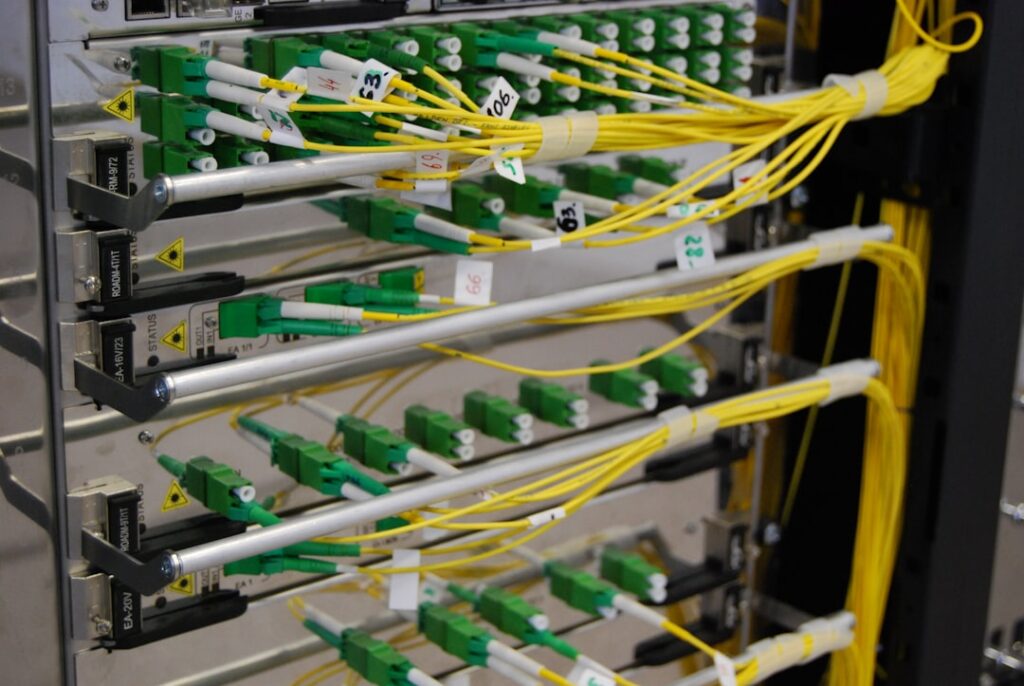
As the digital landscape continues to expand, the demand for data storage and processing capabilities has surged. You may have noticed that this growth comes with a significant environmental cost, as traditional data centers consume vast amounts of energy and contribute to greenhouse gas emissions. In response to these challenges, the concept of green data centers has emerged, focusing on sustainability and energy efficiency. These facilities are designed not only to meet the increasing demands of technology but also to minimize their ecological footprint. By adopting innovative technologies and practices, green data centers aim to create a balance between operational efficiency and environmental responsibility.
Green data centers utilize a variety of strategies to reduce energy consumption and enhance sustainability. This includes the use of renewable energy sources, advanced cooling techniques, and energy-efficient hardware. As you delve deeper into the world of green data centers, you will discover how these facilities are transforming the way we think about technology and its impact on the planet. The integration of sustainable practices is not merely a trend; it represents a fundamental shift in how businesses approach their IT infrastructure. By prioritizing eco-friendly solutions, organizations can contribute to a healthier planet while also reaping the benefits of reduced operational costs.
In the realm of sustainable technology solutions, the integration of advanced cooling methods in data centers is gaining traction, particularly with the adoption of liquid cooling systems and artificial intelligence. These innovations not only enhance energy efficiency but also contribute to reducing the carbon footprint of data centers. For further insights into the intersection of technology and ethics, you may find the article on the future of ethical AI particularly relevant, as it discusses the importance of eliminating bias and promoting inclusivity in AI systems. You can read more about it here: The Future of Ethical AI: Eliminating Bias and Promoting Inclusivity.
The Importance of Sustainable Tech Solutions
In today’s world, where climate change and environmental degradation are pressing concerns, the importance of sustainable tech solutions cannot be overstated. You may find yourself increasingly aware of the need for businesses to adopt practices that not only drive profitability but also protect the environment. Sustainable tech solutions encompass a wide range of initiatives, from energy-efficient hardware to waste reduction strategies, all aimed at minimizing the ecological impact of technology. As consumers become more environmentally conscious, companies that prioritize sustainability are likely to gain a competitive edge.
Moreover, sustainable tech solutions are essential for meeting regulatory requirements and societal expectations. Governments around the globe are implementing stricter regulations regarding carbon emissions and energy consumption, pushing organizations to adopt greener practices. By embracing sustainability, you can ensure compliance with these regulations while also appealing to a growing demographic of eco-conscious consumers. The shift towards sustainable technology is not just beneficial for the environment; it also presents an opportunity for innovation and growth in an increasingly competitive market.
Liquid Cooling: A Key Component of Green Data Centers
One of the most significant advancements in green data center technology is the adoption of liquid cooling systems. Traditional air cooling methods have long been the standard in data centers, but they often fall short in terms of efficiency and effectiveness. Liquid cooling offers a more efficient alternative by utilizing liquids to dissipate heat generated by servers and other equipment. This method not only enhances cooling performance but also reduces energy consumption, making it a vital component of green data centers.
As you explore the mechanics of liquid cooling, you’ll find that it operates on the principle of thermal conductivity. Liquids can absorb heat more effectively than air, allowing for more efficient heat transfer away from critical components. This results in lower operating temperatures for servers, which can extend their lifespan and improve overall performance. By implementing liquid cooling systems, data centers can significantly reduce their reliance on energy-intensive air conditioning units, leading to substantial energy savings and a smaller carbon footprint.
Advantages of Liquid Cooling in Data Centers
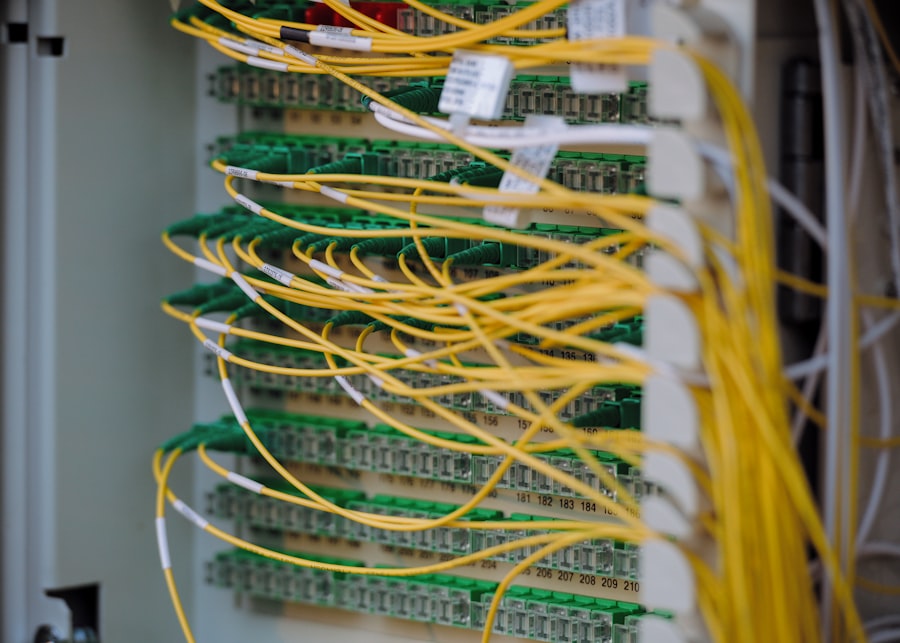
The advantages of liquid cooling in data centers extend beyond mere energy efficiency. One of the most compelling benefits is its ability to support higher-density computing environments. As you may know, modern applications demand more processing power, leading to an increase in server density within data centers. Liquid cooling systems can effectively manage the heat generated by these high-density setups, allowing for greater computational capabilities without compromising performance or reliability.
Additionally, liquid cooling systems can lead to significant cost savings over time. While the initial investment may be higher than traditional air cooling systems, the long-term benefits often outweigh these costs. You will find that reduced energy consumption translates into lower utility bills, while improved equipment longevity can decrease replacement costs. Furthermore, as organizations strive to meet sustainability goals, liquid cooling provides a tangible solution that aligns with their commitment to reducing environmental impact.
In the quest for more efficient and environmentally friendly technology, the concept of green data centers has gained significant traction. A related article discusses the innovative approaches being taken to enhance sustainability in this sector, particularly through the use of liquid cooling and artificial intelligence. For those interested in exploring these advancements further, you can read about them in this insightful piece on Sustainable Tech Solutions. This article highlights how these technologies are not only reducing energy consumption but also paving the way for a greener future in data management.
Challenges and Considerations of Implementing Liquid Cooling
| Metrics | Data |
|---|---|
| Energy Efficiency | Reduction in energy consumption by up to 50% |
| Carbon Emissions | Significant reduction in carbon emissions |
| Heat Management | Effective heat dissipation and management |
| AI Optimization | AI algorithms for efficient resource allocation |
| Cost Savings | Cost savings on cooling and energy expenses |
Despite its numerous advantages, implementing liquid cooling systems in data centers is not without challenges. One primary concern is the potential risk of leaks and water damage. As you consider adopting this technology, it’s essential to ensure that proper safeguards are in place to mitigate these risks. This includes using leak detection systems and designing infrastructure that can contain any potential spills. By addressing these concerns proactively, you can create a safer environment for your equipment and personnel.
Another consideration is the need for specialized training and expertise when transitioning to liquid cooling systems. Your team may require additional training to understand the intricacies of these systems and how to maintain them effectively. This investment in knowledge is crucial for ensuring that your data center operates smoothly and efficiently. Additionally, you may need to evaluate your existing infrastructure to determine if it can accommodate liquid cooling technology or if upgrades are necessary.
Artificial Intelligence in Green Data Centers
Artificial intelligence (AI) is revolutionizing various industries, and green data centers are no exception. You may be intrigued by how AI can enhance operational efficiency and sustainability within these facilities. By leveraging machine learning algorithms and advanced analytics, AI can optimize various aspects of data center management, from energy consumption to resource allocation. This integration of AI technology represents a significant step forward in achieving sustainable tech solutions.
One of the most exciting applications of AI in green data centers is its ability to analyze vast amounts of data in real-time. By monitoring energy usage patterns and environmental conditions, AI can identify inefficiencies and recommend adjustments to optimize performance. This proactive approach not only reduces energy consumption but also enhances overall system reliability. As you explore the role of AI in green data centers, you’ll discover how it can drive innovation and support sustainability initiatives.
How AI Optimizes Energy Efficiency in Data Centers
AI plays a crucial role in optimizing energy efficiency within data centers by enabling intelligent decision-making processes. You may find it fascinating that AI algorithms can analyze historical data and predict future energy needs based on usage patterns and workload demands. This predictive capability allows data center operators to adjust cooling systems dynamically, ensuring that energy is used only when necessary.
Moreover, AI can facilitate load balancing across servers, distributing workloads more evenly to prevent overheating and reduce energy consumption. By continuously monitoring performance metrics, AI systems can identify underutilized resources and recommend reallocating workloads to optimize efficiency further. As you consider the potential impact of AI on energy efficiency in data centers, it’s clear that this technology is paving the way for more sustainable operations.
The Role of AI in Predictive Maintenance and Fault Detection
In addition to optimizing energy efficiency, AI plays a vital role in predictive maintenance and fault detection within green data centers. You may appreciate how this proactive approach can significantly reduce downtime and maintenance costs while enhancing overall system reliability. By analyzing historical performance data and identifying patterns associated with equipment failures, AI can predict when maintenance is required before issues arise.
This predictive maintenance capability allows you to schedule repairs during off-peak hours, minimizing disruptions to operations. Furthermore, AI can continuously monitor equipment health in real-time, alerting operators to potential issues before they escalate into costly failures. By integrating AI into your maintenance strategy, you can ensure that your green data center operates at peak performance while reducing its environmental impact.
Integrating Liquid Cooling and AI for Maximum Sustainability
The integration of liquid cooling systems with AI technology represents a powerful combination for achieving maximum sustainability in data centers. As you explore this synergy, you’ll find that AI can enhance the performance of liquid cooling systems by optimizing their operation based on real-time conditions. For instance, AI algorithms can analyze temperature data from various server racks and adjust liquid flow rates accordingly to maintain optimal cooling levels.
This dynamic adjustment not only improves energy efficiency but also ensures that equipment operates within safe temperature ranges, extending its lifespan. Additionally, by leveraging AI’s predictive capabilities alongside liquid cooling technology, you can create a more resilient infrastructure that adapts to changing workloads and environmental conditions. The result is a highly efficient data center that minimizes its ecological footprint while maximizing performance.
Case Studies of Successful Green Data Centers
To illustrate the effectiveness of green data centers and their innovative technologies, consider examining case studies from organizations that have successfully implemented sustainable practices. For instance, one notable example is Google’s data center in Hamina, Finland, which utilizes seawater for cooling purposes alongside advanced AI algorithms for energy management. This facility has achieved remarkable energy efficiency while significantly reducing its carbon footprint.
Another compelling case study is Microsoft’s Project Natick, which explores underwater data centers powered by renewable energy sources. By submerging these facilities beneath the ocean’s surface, Microsoft aims to leverage natural cooling while minimizing land use and environmental impact. These examples demonstrate how organizations are pushing the boundaries of sustainability in data center operations through innovative technologies like liquid cooling and AI.
The Future of Sustainable Tech Solutions in Data Centers
As you look ahead to the future of sustainable tech solutions in data centers, it’s clear that innovation will continue to drive progress in this field. The ongoing development of advanced cooling technologies, such as liquid cooling systems combined with AI optimization, will play a pivotal role in shaping greener data center operations. You may also anticipate increased collaboration between industry leaders and researchers as they work together to develop new solutions that address emerging challenges.
Furthermore, as consumer demand for sustainable practices grows, organizations will be compelled to prioritize eco-friendly initiatives within their IT infrastructure. This shift will not only benefit the environment but also create new opportunities for businesses willing to invest in sustainable technologies. By embracing these changes now, you can position yourself at the forefront of this evolving landscape and contribute positively to a more sustainable future for all.