

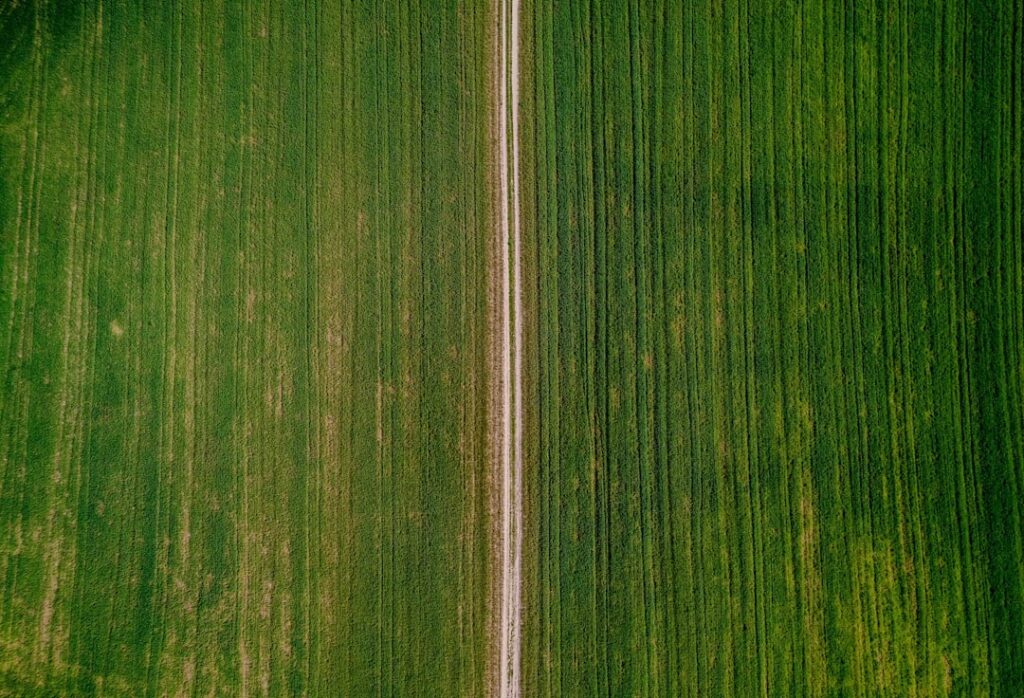
As you step into the world of agriculture, you may find yourself captivated by the transformative power of precision agriculture. This innovative approach leverages technology to enhance farming practices, ensuring that every seed sown and every drop of water used is optimized for maximum yield. Precision agriculture is not merely a trend; it represents a paradigm shift in how you can manage your agricultural resources. By utilizing data-driven insights, farmers can make informed decisions that lead to increased productivity and sustainability.
In essence, precision agriculture combines traditional farming techniques with modern technology, creating a synergy that allows you to monitor and manage your crops with unprecedented accuracy. This method involves the use of GPS, sensors, drones, and data analytics to gather real-time information about soil conditions, crop health, and weather patterns. As you delve deeper into this field, you will discover how these tools can help you tailor your farming practices to meet the specific needs of your land, ultimately leading to more efficient resource use and improved environmental outcomes.
In exploring the innovative realm of Sustainable Tech Solutions, one cannot overlook the significant advancements in precision agriculture, particularly the role of artificial intelligence in minimizing resource waste. A related article that delves deeper into these transformative practices can be found at this link. This resource highlights how AI technologies are revolutionizing farming methods, leading to more efficient use of water, fertilizers, and energy, ultimately promoting a more sustainable agricultural future.
The Role of Artificial Intelligence in Precision Agriculture
Artificial intelligence (AI) plays a pivotal role in the evolution of precision agriculture, acting as a powerful ally in your quest for efficiency and sustainability. By harnessing AI technologies, you can analyze vast amounts of data collected from various sources, enabling you to make smarter decisions about crop management. Machine learning algorithms can identify patterns and trends that may not be immediately apparent, allowing you to predict outcomes and optimize your farming strategies.
Moreover, AI can enhance the capabilities of existing agricultural technologies. For instance, when integrated with drones and satellite imagery, AI can process visual data to assess crop health and detect diseases early on. This proactive approach not only saves time but also minimizes the need for chemical interventions, promoting a healthier ecosystem. As you explore the potential of AI in precision agriculture, you’ll find that it empowers you to be more responsive to the dynamic challenges posed by nature.
How AI Minimizes Resource Waste in Agriculture
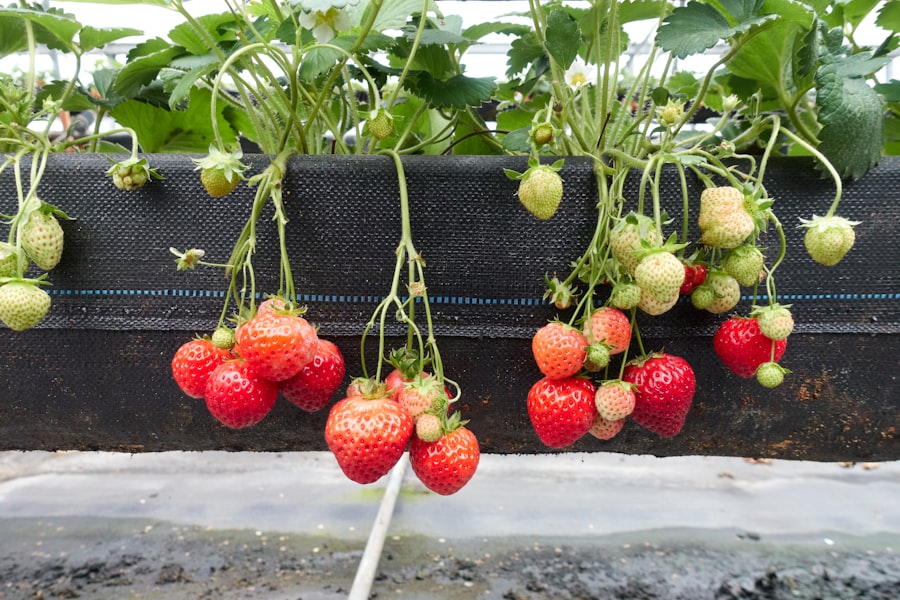
One of the most significant advantages of incorporating AI into precision agriculture is its ability to minimize resource waste. As a farmer, you understand the importance of conserving resources such as water, fertilizers, and pesticides. AI-driven systems can analyze soil moisture levels and weather forecasts to determine the optimal times for irrigation, ensuring that water is used efficiently and only when necessary. This targeted approach not only conserves water but also reduces costs associated with over-irrigation.
Additionally, AI can optimize fertilizer application by analyzing soil nutrient levels and crop requirements. Instead of applying fertilizers uniformly across your fields, AI allows you to tailor applications based on specific areas that need it most. This precision reduces excess runoff into nearby waterways, which can lead to environmental degradation. By minimizing resource waste through AI technologies, you are not only enhancing your farm’s profitability but also contributing to a more sustainable agricultural landscape.
Precision Agriculture and Sustainable Farming Practices
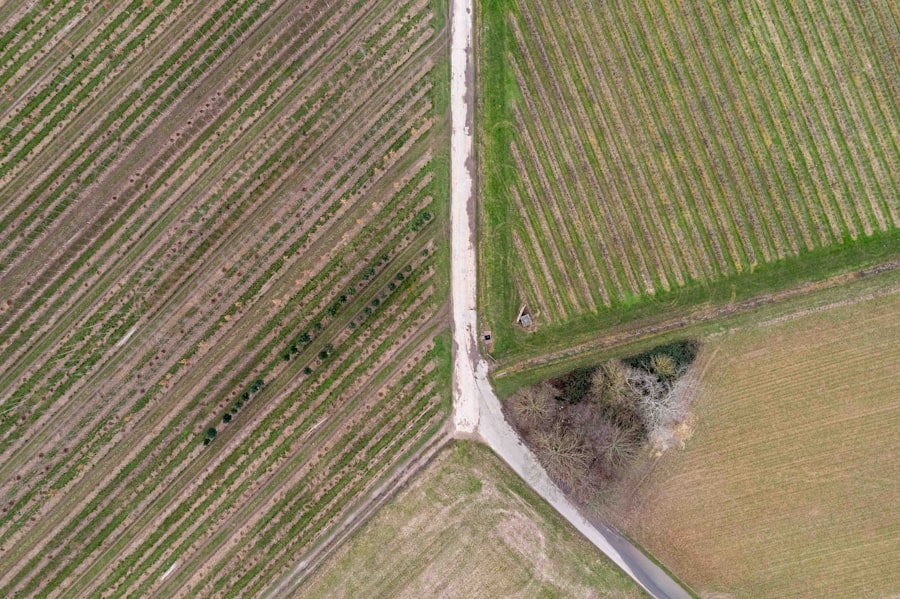
Sustainable farming practices are at the heart of precision agriculture, aligning perfectly with your goals of environmental stewardship and economic viability. By adopting precision agriculture techniques, you can implement practices that promote soil health, biodiversity, and ecosystem resilience. For instance, crop rotation and cover cropping can be strategically planned using data analytics to enhance soil fertility and reduce pest pressures.
Moreover, precision agriculture encourages the use of integrated pest management (IPM) strategies. By utilizing AI to monitor pest populations and assess their impact on crops, you can make informed decisions about when and how to intervene. This approach minimizes the reliance on chemical pesticides while promoting natural pest control methods. As you embrace sustainable practices through precision agriculture, you are not only safeguarding your farm’s future but also contributing to the broader goal of food security for generations to come.
In the realm of sustainable technology, precision agriculture has emerged as a pivotal solution for minimizing resource waste through the innovative use of AI. This approach not only enhances crop yields but also promotes environmental stewardship by optimizing water and fertilizer usage. For those interested in exploring more about the implications of technology in agriculture, a related article can be found here, which delves into the broader impacts of sustainable tech solutions on farming practices.
The Impact of Precision Agriculture on Environmental Conservation
“`html
| Metrics | Data |
|---|---|
| Water Usage | 20% reduction |
| Fertilizer Application | 15% reduction |
| Crop Yield | 10% increase |
| Energy Consumption | 25% reduction |
“`
The environmental benefits of precision agriculture are profound and far-reaching. As you adopt these practices, you will likely notice a positive impact on local ecosystems and biodiversity. By reducing chemical inputs and optimizing resource use, precision agriculture helps mitigate pollution and habitat destruction. This is particularly important in an era where climate change poses significant threats to agricultural productivity and environmental health.
Furthermore, precision agriculture can play a crucial role in carbon sequestration efforts. By implementing practices such as reduced tillage and cover cropping, you can enhance soil organic matter content, which in turn captures carbon dioxide from the atmosphere. This not only contributes to climate change mitigation but also improves soil structure and fertility over time. As you engage with precision agriculture, you become an active participant in environmental conservation efforts that benefit both your farm and the planet.
In the realm of sustainable technology, precision agriculture has emerged as a groundbreaking approach to enhance efficiency and reduce resource waste. A related article explores how innovative solutions are being implemented to optimize farming practices, ensuring that every drop of water and every ounce of fertilizer is used wisely. For those interested in delving deeper into the advancements in this field, you can find more information in this insightful piece on sustainable practices. To learn more, visit this link.
Advantages of Using AI in Precision Agriculture
The advantages of integrating AI into precision agriculture are manifold and compelling. First and foremost, AI enhances decision-making capabilities by providing real-time insights into various aspects of farming operations. With access to accurate data on weather patterns, soil conditions, and crop health, you can make timely interventions that lead to better outcomes.
Additionally, AI-driven automation can streamline labor-intensive tasks such as planting, harvesting, and monitoring crops. This not only increases efficiency but also allows you to allocate your workforce more effectively. By reducing manual labor requirements through automation, you can focus on strategic planning and innovation rather than getting bogged down in routine tasks. Ultimately, the integration of AI into precision agriculture empowers you to operate more effectively while maximizing both productivity and sustainability.
Challenges and Limitations of Implementing AI in Agriculture
Despite the numerous benefits associated with AI in precision agriculture, there are challenges and limitations that you may encounter along the way. One significant hurdle is the initial investment required for technology adoption. High-quality sensors, drones, and data analytics platforms can be costly, which may deter some farmers from embracing these innovations fully.
Moreover, there is a learning curve associated with implementing AI technologies effectively. You may need to invest time in training yourself or your staff to understand how to interpret data and utilize AI tools effectively. Additionally, concerns about data privacy and security may arise as you collect sensitive information about your farming operations. Addressing these challenges will be crucial for maximizing the potential of AI in precision agriculture.
Case Studies of Successful Implementation of Precision Agriculture
Examining case studies of successful implementation can provide valuable insights into how precision agriculture has transformed farming practices across various regions. For instance, a farm in California adopted precision irrigation techniques using soil moisture sensors connected to an AI platform. By analyzing real-time data on soil conditions, they were able to reduce water usage by 30% while maintaining crop yields.
Another compelling example comes from a vineyard in France that utilized drones equipped with multispectral cameras to monitor vine health. The data collected allowed them to identify areas requiring targeted interventions for pest control and nutrient management. As a result, they achieved higher quality grapes while minimizing chemical inputs. These case studies illustrate how precision agriculture can lead to tangible benefits for farmers like yourself while promoting sustainable practices.
The Future of Precision Agriculture and AI Integration
Looking ahead, the future of precision agriculture appears promising as advancements in AI technology continue to evolve. You can expect even more sophisticated tools that leverage machine learning algorithms to provide deeper insights into agricultural practices. For instance, predictive analytics may become increasingly accurate in forecasting crop yields based on historical data and environmental factors.
Moreover, as connectivity improves through advancements in Internet of Things (IoT) technology, real-time data sharing between farms will become more prevalent. This interconnectedness will enable collaborative efforts among farmers to address common challenges such as pest outbreaks or climate variability. As you embrace these innovations in precision agriculture, you’ll be at the forefront of a movement that prioritizes efficiency, sustainability, and resilience in food production.
Policy and Regulatory Considerations for Precision Agriculture
As precision agriculture continues to gain traction, it is essential to consider the policy and regulatory landscape surrounding its implementation. Governments play a crucial role in supporting farmers like yourself through incentives for adopting sustainable practices and investing in technology development. Policies that promote research funding for precision agriculture innovations can help drive advancements that benefit the entire agricultural sector.
Additionally, regulations regarding data privacy and security must be addressed as farmers increasingly rely on digital tools for decision-making. Establishing clear guidelines will ensure that your sensitive information remains protected while allowing for innovation within the industry. Engaging with policymakers will be vital in shaping a regulatory framework that fosters growth while safeguarding your interests as a farmer.
The Potential of Precision Agriculture and AI in Minimizing Resource Waste
In conclusion, the integration of precision agriculture and artificial intelligence holds immense potential for minimizing resource waste while enhancing agricultural productivity. As you navigate this evolving landscape, you’ll find that these technologies empower you to make informed decisions that benefit both your farm’s bottom line and the environment. By embracing sustainable practices through precision agriculture, you contribute not only to your success but also to global efforts aimed at achieving food security and environmental conservation.
As you look toward the future, consider how you can leverage these advancements to create a more resilient agricultural system that meets the challenges posed by climate change and population growth. The journey may come with its challenges; however, the rewards—both economically and environmentally—are well worth the effort. Embrace the potential of precision agriculture and AI as tools for transformation in your farming practices today.