

You are reading an article concerning the intersection of artificial intelligence (AI) and data center sustainability. This document will explore how AI can be leveraged to mitigate the environmental impact of data centers, specifically focusing on their carbon footprints. We will examine various AI-driven approaches, their implementation, and their potential benefits.
Data centers are the critical infrastructure supporting our digital world. From streaming services and cloud computing to scientific research and financial transactions, they underpin nearly every aspect of modern life. However, this essential infrastructure comes with a significant environmental cost, predominantly in the form of energy consumption and associated carbon emissions.
Energy Demands of Data Centers
The sheer scale of data processing and storage requires considerable power. Servers, networking equipment, and storage devices all consume electricity, and this consumption is projected to grow substantially as digital transformation accelerates globally. The International Energy Agency (IEA) has highlighted data centers as a sector with rapidly increasing electricity demand, presenting a challenge for climate goals.
The Carbon Footprint Problem
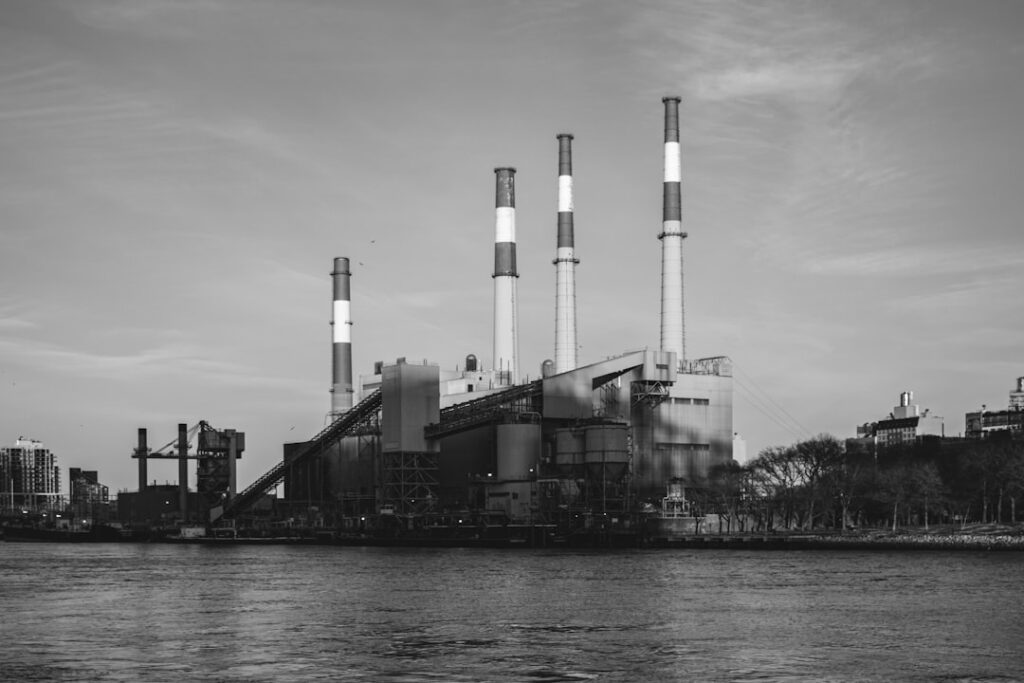
The energy consumed by data centers often originates from fossil fuel-based power grids, leading to substantial greenhouse gas emissions. These emissions contribute directly to climate change. Beyond direct energy consumption, the manufacturing, transportation, and eventual disposal of data center hardware also contribute to the overall carbon footprint, forming a lifecycle impact.
Resource Consumption Beyond Energy
While energy is a primary concern, data centers also consume other critical resources. Water is used extensively for cooling in many facilities, particularly in colder regions or those employing evaporative cooling systems. Land use for facility construction and the generation of electronic waste (e-waste) from retired hardware are additional environmental considerations.
In the pursuit of Sustainable Tech Solutions, a compelling article titled “Innovative Strategies for Green Data Centers” highlights various approaches to minimizing the environmental impact of data centers. This article complements the discussion on reducing carbon footprints through AI by exploring additional methods such as renewable energy integration and advanced cooling techniques. For more insights, you can read the article here: Innovative Strategies for Green Data Centers.
AI as a Catalyst for Efficiency
Artificial intelligence offers a powerful suite of tools and methodologies that can optimize complex systems. Data centers, with their intricate interdependencies and vast operational datasets, are prime candidates for AI-driven optimization. AI can act as a sophisticated conductor, orchestrating the various components of a data center to move in harmony toward a common goal: efficiency.
Predictive Analytics for Resource Management
AI algorithms can analyze historical operational data, environmental conditions, and workload patterns to predict future resource needs. This predictive capability allows data center operators to anticipate demand and proactively adjust resource allocation, preventing over-provisioning and under-utilization.
Machine Learning for Anomaly Detection
By continuously monitoring performance metrics, machine learning models can identify deviations from normal operating parameters. This enables the early detection of inefficient equipment, cooling system malfunctions, or power anomalies that could lead to increased energy consumption or potential downtime.
Reinforcement Learning for Real-time Optimization
Reinforcement learning (RL) allows AI systems to learn optimal control strategies through trial and error within a simulated or real-world environment. In a data center context, RL agents can dynamically adjust cooling setpoints, server power states, and workload distribution in real-time to minimize energy consumption while maintaining performance.
AI-Driven Optimization of Cooling Systems
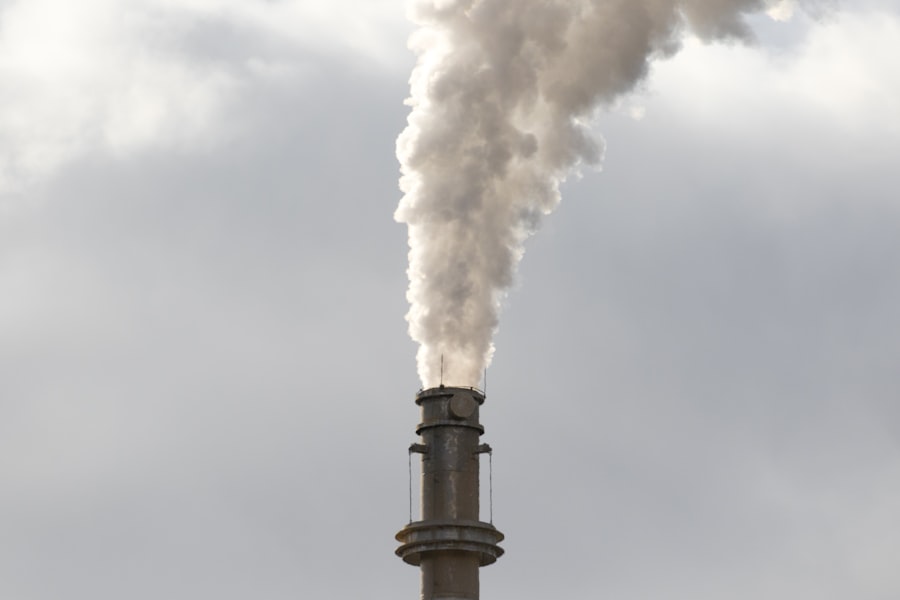
Cooling is one of the most energy-intensive aspects of data center operations. Maintaining optimal temperatures for servers and other equipment is crucial for performance and longevity, but achieving this efficiently presents a significant challenge. AI offers innovative solutions to this persistent problem.
Dynamic Cooling Setpoint Adjustment
Traditional data centers often maintain conservative, fixed cooling setpoints to ensure equipment safety. However, AI can analyze real-time data from various sensors (temperature, humidity, airflow) within the data center, alongside workload information, to dynamically adjust these setpoints. This allows for higher setpoints when conditions permit, reducing the energy required for cooling without compromising equipment reliability. Google’s data center optimizations, for example, have demonstrated significant reductions in cooling energy using AI.
Predictive Maintenance for Cooling Infrastructure
Cooling systems, like any mechanical infrastructure, are subject to wear and tear. AI can predict potential failures or inefficiencies in cooling equipment, such as chillers, pumps, and computer room air conditioners (CRACs). By analyzing sensor data, vibration patterns, and historical maintenance records, AI can schedule proactive maintenance, preventing costly breakdowns and ensuring systems operate at peak efficiency. This moves from reactive repair to predictive intervention, much like a doctor performing preventative care before a severe illness strikes.
Optimizing Airflow and Hotspot Mitigation
Poor airflow management can lead to hot spots within a data center, forcing cooling systems to work harder than necessary. AI can analyze temperature distribution maps and airflow simulations to identify areas of inefficient cooling. It can then recommend adjustments to rack layouts, containment strategies, or fan speeds to optimize air circulation and eliminate hot spots, thereby reducing overall cooling energy consumption. Think of it as an intelligent air traffic controller for the thermal environment of the data center.
AI for Server and Workload Management

Servers are the workhorses of a data center, and their efficient operation is paramount for reducing energy consumption. AI can play a crucial role in optimizing server utilization and intelligently distributing workloads.
Dynamic Workload Orchestration
Not all servers operate at peak capacity constantly. AI can analyze current and predicted workload demands across an entire server fleet and dynamically reallocate tasks to optimize server utilization. This can involve consolidating workloads onto fewer servers during periods of low demand, allowing underutilized servers to enter low-power states or even be temporarily shut down. This is akin to maximizing the occupancy of classrooms in a school rather than leaving many empty while others are overcrowded.
Intelligent Power Management of Servers
Modern servers offer various power states, from full operation to deep sleep modes. AI can intelligently manage these power states based on real-time workload requirements. By transitioning servers into lower power states when idle or lightly loaded, AI can significantly reduce idle power consumption, which can be a substantial portion of a server’s total energy use. This precise control over server power is a key area for AI impact.
Virtualization and Containerization Optimization
While virtualization and containerization inherently improve resource utilization, AI can further enhance their efficiency. AI can optimize the placement of virtual machines (VMs) and containers across physical servers, ensuring that workloads are distributed in a way that minimizes energy consumption while meeting performance objectives. This includes avoiding resource contention and ensuring that underlying hardware is adequately utilized without being overstressed.
In the pursuit of sustainable technology solutions, the integration of artificial intelligence in data centers plays a crucial role in minimizing carbon footprints. A related article discusses innovative strategies that organizations can adopt to enhance energy efficiency and reduce emissions. For more insights on this topic, you can explore the article available at this link. By leveraging AI, companies can optimize their operations and contribute to a greener future.
AI-Enhanced Renewable Energy Integration and Grid Interaction
| Metric | Description | Impact of AI Integration | Example Value |
|---|---|---|---|
| Energy Consumption (kWh) | Total electricity used by data center operations | AI optimizes workload distribution to reduce peak energy use by up to 30% | 1,200,000 kWh/month |
| Carbon Emissions (tons CO2e) | Greenhouse gas emissions from energy consumption | AI-driven energy efficiency can lower emissions by 25-40% | 850 tons CO2e/year |
| Cooling Efficiency (PUE) | Power Usage Effectiveness ratio (total facility energy/IT equipment energy) | AI-based cooling systems reduce PUE from 1.8 to 1.3 | 1.3 |
| Server Utilization Rate (%) | Percentage of server capacity actively used | AI workload management increases utilization from 40% to 75% | 75% |
| Renewable Energy Usage (%) | Share of energy sourced from renewables | AI forecasts optimize renewable energy integration, increasing usage by 20% | 60% |
| Operational Cost Reduction (%) | Decrease in costs due to AI-driven efficiencies | AI reduces operational costs by improving energy and resource management | 15% |
The transition to renewable energy sources is critical for decarbonizing data centers. AI can facilitate this transition by optimizing the integration of renewables and enabling more intelligent interaction with the broader energy grid.
Predicting Renewable Energy Availability
Renewable energy sources like solar and wind power are intermittent. AI can forecast the availability of renewable energy based on weather patterns, historical data, and other environmental factors. This allows data centers to strategically schedule energy-intensive workloads during periods of high renewable energy availability, minimizing reliance on fossil-fuel generated electricity and effectively “riding the green wave.”
Demand Response and Grid Synchronization
Data centers can be significant consumers of electricity. AI can enable data centers to participate in demand response programs, where they temporarily reduce their electricity consumption during periods of high grid demand or high carbon intensity. By intelligently shifting non-critical workloads, or even utilizing onsite energy storage, data centers can become active participants in grid stability, rather than simply passive consumers. This requires a sophisticated understanding of both data center operations and grid conditions, a perfect task for AI.
Onsite Renewable Energy Management
For data centers with their own onsite renewable energy generation (e.g., solar panels), AI can optimize the use of this self-generated power. It can manage battery storage systems, prioritize the use of onsite power over grid power when available, and even intelligently export excess power back to the grid when economically or environmentally beneficial. This transforms the data center into a micro-grid participant.
Challenges and Future Directions
While the potential of AI in sustainable data centers is substantial, several challenges must be addressed for widespread adoption and maximum impact.
Data Privacy and Security Concerns
AI systems require vast amounts of operational data to learn and optimize. Collecting, storing, and analyzing this data raises concerns about privacy and security, especially when third-party AI solutions are involved. Robust data governance policies and secure architectures are essential.
Computational Cost of AI Itself
Paradoxically, training and running sophisticated AI models can be computationally intensive, carrying their own energy footprint. The design and implementation of efficient AI algorithms and models, alongside the use of specialized hardware for AI acceleration, are crucial to ensure that the AI solution itself does not negate its sustainability benefits. We must ensure that the doctor’s medicine doesn’t cause more harm than the illness.
Integration with Legacy Infrastructure
Many existing data centers operate with legacy infrastructure that may not be easily compatible with advanced AI-driven control systems. Retrofitting these facilities poses technical and economic challenges. Developing AI solutions that can seamlessly integrate with diverse hardware and software environments is key.
Skill Gap and Workforce Development
Implementing and managing AI-driven sustainable data center solutions requires specialized skills in AI, data science, and data center operations. Bridging this skill gap through education and training programs is vital for successful adoption.
The Role of Open Standards and Collaboration
Promoting open standards for data center interoperability and encouraging collaboration between industry, academia, and government bodies can accelerate the development and deployment of AI-powered sustainability solutions. Sharing best practices and research findings will foster innovation.
Ethical Considerations of Autonomous Systems
As AI takes on increasingly autonomous roles in data center management, ethical considerations surrounding decision-making, accountability, and potential biases in AI algorithms must be addressed comprehensively. Transparency in AI operation is important.
Future Research into AI for Material Lifecycle Optimization
Beyond operational energy, future research will explore how AI can optimize the entire lifecycle of data center hardware, from sustainable manufacturing and responsible sourcing of materials to efficient recycling and e-waste management. This expands the scope of AI from operational efficiency to circular economy principles within the data center industry.
In conclusion, AI offers a transformative opportunity to significantly reduce the carbon footprint and overall environmental impact of data centers. By acting as an intelligent orchestrator across various operational domains – from cooling and server management to renewable energy integration – AI can drive unprecedented levels of efficiency. While challenges exist, the ongoing development of AI technologies, coupled with a concerted effort from the industry, promises a future where data centers can power the digital world sustainably.