

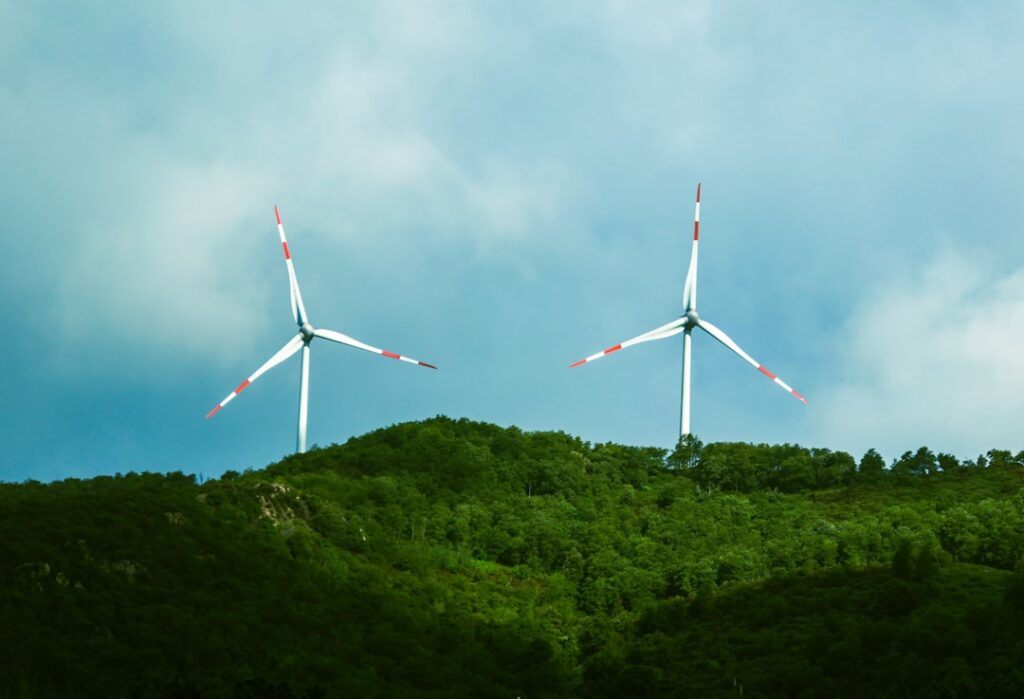
The integration of Machine Learning (ML) into renewable energy systems represents a significant advancement in optimizing energy generation, distribution, and consumption. As the world pivots towards cleaner energy sources like solar and wind, the inherent variability and intermittency of these resources pose challenges to grid stability and reliability. ML algorithms offer powerful tools to overcome these hurdles, transforming the landscape of sustainable energy.
The transition away from fossil fuels is a global imperative, driven by climate change concerns and the finite nature of traditional energy reserves. Renewable energy sources, while environmentally sound, present a distinct set of operational complexities. Unlike fossil fuel power plants that can be modulated to meet demand, solar and wind generation are dictated by external environmental factors. Sunlight intensity fluctuates with cloud cover and the time of day, while wind speed is constantly changing. This inherent unpredictability can lead to overproduction or underproduction of energy, impacting grid stability and potentially leading to blackouts or wasted energy.
Therefore, the efficient management and optimization of renewable energy are not merely desirable; they are essential for the successful widespread adoption and integration of these technologies into our energy infrastructure. Without robust optimization strategies, the potential of renewables to supply a consistent and reliable energy backbone remains significantly constrained.
The Challenge of Intermittency and Variability
Imagine a large orchestra where musicians play their instruments at unpredictable volumes and tempos. Without a conductor to coordinate their efforts, the music would devolve into chaos. Similarly, renewable energy sources, without intelligent management, can lead to grid instability. The “conductor” in this analogy is the optimization system, and ML is the sophisticated baton that guides the symphony of energy production and consumption.
Economic and Environmental Motivations
Beyond the technical challenges, economic incentives and environmental regulations are strong drivers for optimizing renewable energy. Maximizing the output of solar farms and wind turbines directly translates to reduced operational costs and increased revenue. Furthermore, minimizing energy waste through efficient distribution and smart consumption aligns with global emission reduction targets.
In the pursuit of advancing sustainable technology solutions, the article on Renewable Energy Optimization using Machine Learning explores innovative methods to enhance the efficiency of renewable energy systems. By leveraging machine learning algorithms, this approach aims to optimize energy production and consumption, ultimately contributing to a more sustainable future. For further insights into the implications of such technologies, you can read more in the related article found here: Sustainable Tech Solutions: Renewable Energy Optimization using ML.
Machine Learning: A New Horizon for Energy Management
Machine Learning, a subset of artificial intelligence, empowers computer systems to learn from data, identify patterns, and make predictions or decisions without being explicitly programmed for every scenario. In the context of renewable energy, ML algorithms can analyze vast datasets from weather patterns, energy demand, grid load, and historical performance to derive actionable insights and automate complex management processes.
Understanding Core ML Concepts for Energy Applications
To grasp how ML aids renewable energy, consider a few fundamental concepts. Supervised learning, for instance, involves training models on labeled data. For predicting solar energy output, this could mean feeding an algorithm historical solar irradiance data alongside corresponding energy generation figures. The model learns the relationship and can then predict future generation based on new irradiance forecasts.
Unsupervised learning, on the other hand, focuses on finding hidden patterns in unlabeled data. This can be useful for anomaly detection, identifying unusual consumption patterns or equipment malfunctions in renewable energy infrastructure. Reinforcement learning involves an agent learning through trial and error, receiving rewards or penalties for its actions. This is particularly applicable to optimizing battery storage systems, where the ML agent learns the best charging and discharging strategies to maximize economic benefit or grid stability.
Types of ML Algorithms Employed
A variety of ML algorithms are deployed in renewable energy optimization. Regression algorithms, such as Linear Regression or Support Vector Regression, are used for forecasting continuous variables like energy generation or demand. Classification algorithms, like Logistic Regression or Support Vector Machines, can be used to categorize situations, for example, predicting whether a certain wind turbine will require maintenance.
More advanced techniques like Deep Learning, with its multi-layered neural networks, excel at processing complex, high-dimensional data. Convolutional Neural Networks (CNNs) can analyze satellite imagery for cloud cover prediction, while Recurrent Neural Networks (RNNs), including Long Short-Term Memory (LSTM) networks, are adept at handling sequential data, making them ideal for time-series forecasting of energy generation and demand.
Predictive Analytics for Renewable Energy Generation
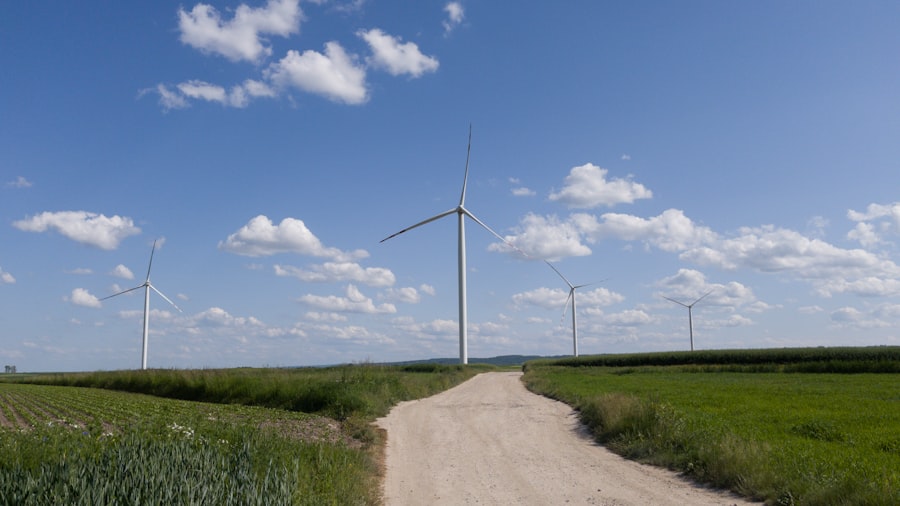
One of the most critical applications of ML in renewable energy is enhancing the accuracy of generation forecasts. For solar and wind power, accurate predictions are vital for grid operators to balance supply and demand in real-time.
Solar Irradiance and Power Output Forecasting
ML models can analyze a multitude of factors influencing solar power generation. This includes historical irradiance data, real-time satellite imagery to monitor cloud movement, atmospheric conditions like humidity and temperature, and even dust accumulation on solar panels. By ingesting this comprehensive dataset, ML algorithms can predict the solar power output from a specific PV plant with unprecedented accuracy. This allows grid operators to anticipate periods of reduced solar generation and proactively adjust other power sources, such as dispatchable power plants or energy storage systems.
Wind Speed and Turbine Performance Prediction
Similarly, ML is revolutionizing wind energy forecasting. Algorithms can analyze historical wind speed data, meteorological models, terrain topography, and even the performance of individual wind turbines to predict overall wind farm output. This goes beyond simple average wind speed predictions; ML can account for microclimatic variations within a wind farm and the complex aerodynamic interactions between turbines. Accurate wind forecasts enable grid operators to better integrate wind power into the grid, reducing reliance on less predictable sources.
The Role of Weather Data and Satellite Imagery
Weather data is the lifeblood of renewable energy forecasting. ML algorithms can ingest massive streams of real-time weather information, including forecasts from multiple meteorological agencies. Satellite imagery, in particular, provides a bird’s-eye view of atmospheric conditions, allowing ML models to track cloud formations and their trajectory, which is crucial for solar power prediction. The ability of ML to process and interpret this vast and dynamic data landscape is a game-changer for renewable energy planning.
Optimizing Energy Storage and Grid Integration

Renewable energy sources, due to their intermittent nature, often necessitate the use of energy storage solutions, such as batteries, to ensure a stable and continuous power supply. ML plays a pivotal role in managing these storage systems and ensuring seamless integration with the grid.
Intelligent Charging and Discharging of Batteries
ML algorithms can optimize the charging and discharging cycles of battery storage systems. By analyzing real-time electricity prices, predicted renewable energy generation, and anticipated demand, an ML model can determine the most economically favorable times to charge batteries (when energy is cheap and abundant) and discharge them (when energy is expensive and in high demand). This not only maximizes the financial return on investment for storage but also helps stabilize the grid by absorbing excess renewable energy and releasing it when needed.
Demand Response and Load Balancing
Demand response programs incentivize consumers to reduce their electricity consumption during peak hours. ML can identify patterns in consumer behavior and predict peak demand periods with greater accuracy. This allows grid operators to more effectively manage demand response events, guiding consumers to shift their energy usage and thereby reducing strain on the grid. ML can also predict grid load more precisely, enabling proactive load balancing and preventing overloads or voltage fluctuations.
Microgrid Management and Decentralized Energy Systems
The rise of microgrids – localized energy grids that can operate independently from the main grid – presents new optimization opportunities. ML-powered microgrid controllers can manage the interplay between renewable energy sources, energy storage, and local loads, ensuring reliability and resilience. This is particularly important for remote communities or critical infrastructure that requires uninterrupted power. ML can optimize the energy flow within a microgrid, deciding when to draw power from the main grid, when to rely on local renewables, and how to optimally utilize battery storage.
In the realm of Sustainable Tech Solutions, the integration of machine learning in renewable energy optimization is gaining significant attention. This innovative approach not only enhances efficiency but also contributes to a more sustainable future. For those interested in exploring further, a related article discusses various strategies and technologies that complement these advancements. You can read more about it in this insightful piece on renewable energy optimization.
Enhancing Efficiency in Renewable Energy Operations
| Metric | Description | Value | Unit | Notes |
|---|---|---|---|---|
| Energy Output Prediction Accuracy | Accuracy of ML models in forecasting renewable energy generation | 92 | % | Measured over 12 months of solar and wind data |
| Reduction in Energy Waste | Decrease in unused generated energy due to optimization | 15 | % | Compared to baseline without ML optimization |
| Load Balancing Efficiency | Improvement in matching energy supply with demand | 20 | % | Based on smart grid integration metrics |
| Carbon Emission Reduction | Decrease in CO2 emissions due to optimized renewable usage | 1,200 | tons/year | Equivalent to planting ~30,000 trees annually |
| ML Model Training Time | Average time to train optimization models | 3 | hours | Using historical energy and weather data |
| Cost Savings on Energy | Reduction in operational costs due to optimization | 18 | % | Annual savings from improved efficiency |
| Renewable Energy Utilization Rate | Percentage of total energy demand met by renewables | 75 | % | Enhanced by ML-driven forecasting and storage management |
Beyond forecasting and storage, ML contributes to improving the day-to-day operational efficiency of renewable energy infrastructure, leading to reduced costs and increased output.
Predictive Maintenance for Renewable Assets
Equipment failures in solar farms and wind turbines can lead to significant downtime and costly repairs. ML algorithms can analyze data from sensors on these assets – such as vibration, temperature, and electrical performance data – to predict potential failures before they occur. This allows for predictive maintenance, where maintenance is scheduled based on the actual condition of the equipment, rather than on fixed intervals. This proactive approach minimizes unscheduled downtime, extends the lifespan of assets, and reduces maintenance costs.
Performance Monitoring and Anomaly Detection
ML can continuously monitor the performance of individual solar panels or wind turbines, comparing their output to expected performance based on operational parameters and environmental conditions. Any deviations from the norm can be flagged as anomalies, indicating potential issues such as soiling, shading, or component degradation. This real-time anomaly detection ensures that any performance dips are identified and addressed promptly, maximizing the overall energy yield.
Optimization of Turbine Control and Solar Panel Orientation
For wind turbines, ML can optimize their yaw (direction) and pitch (blade angle) to capture the maximum amount of wind energy under varying wind conditions. Similarly, for solar farms, ML can dynamically adjust the tilt and orientation of solar panels to track the sun’s movement throughout the day, ensuring optimal energy absorption. These subtle, continuous adjustments, guided by ML algorithms, can lead to significant increases in energy generation over time.
In exploring the advancements in sustainable technology, one can find valuable insights in the article on Renewable Energy Optimization using ML. This piece delves into how machine learning can enhance the efficiency of renewable energy sources, making them more viable for widespread use. For those interested in further reading, a comprehensive list of related articles can be found here, offering a broader perspective on innovative solutions in the field.
The Future Landscape and Ethical Considerations
The application of ML in renewable energy is an evolving field with immense potential for further development and integration. As the technology matures, we can expect even more sophisticated solutions to emerge.
Advancements in ML Techniques and Data Integration
Future advancements will likely involve more sophisticated ML models capable of handling even more complex interdependencies within energy systems. The integration of data from a wider range of sources, including smart meters, electric vehicles, and even social media sentiment analysis for predicting potential demand shifts, will further enhance optimization capabilities. The development of explainable AI (XAI) will also be crucial, allowing operators to understand why an ML model makes specific decisions, fostering trust and facilitating troubleshooting.
Challenges and Limitations in Deployment
Despite its promise, the widespread adoption of ML in renewable energy faces challenges. The availability of high-quality, comprehensive data is crucial. Data privacy concerns, cybersecurity threats to intelligent energy systems, and the need for a skilled workforce capable of developing, deploying, and managing these ML solutions are also significant considerations. The initial investment in ML infrastructure and expertise can also be a barrier for some organizations.
Ethical Considerations and the Path Forward
As ML systems become more autonomous in managing critical energy infrastructure, ethical considerations come to the forefront. Ensuring fairness and preventing biases in ML algorithms that could disproportionately affect certain communities or energy consumers is paramount. Transparency in how ML systems operate and make decisions will be crucial for public acceptance and trust. The path forward involves a continued focus on robust ML development, secure infrastructure, ethical deployment, and a collaborative approach between technology providers, energy companies, and regulatory bodies. The goal is to harness the power of ML to create a sustainable, reliable, and equitable energy future for all.